Shape your adventure: With Extensions, every beginning and ending is yours to create. Learn More.                  

CALL: 1-844 421 0109

Ask a Question

Cultural Holidays in India
hero-image

Cultural Holidays in India

India Culture Holidays

India

Signature India | Between Spices & Backwaters

Cultural Holidays in India
9 Days from USD 6265

Guided Group (Excl. Flights)

Culture
India

Signature India | The Realm of Royals

Cultural Holidays in India
9 Days from USD 8770

Guided Group (Excl. Flights)

Culture
India

Highlights of Northern India

Cultural Holidays in India
UP TO 20% OFF
9 Days from USD 2248
USD 1800

Guided Group (Excl. Flights)

Culture
India

India's Golden Triangle

Cultural Holidays in India
UP TO 20% OFF
7 Days from USD 1312
USD 1050

Guided Group (Excl. Flights)

Culture
India

India Tiger Safari

Cultural Holidays in India
UP TO 20% OFF
16 Days from USD 5548
USD 4440

Guided Group (Excl. Flights)

Wildlife
India

Kerala & the Tropical South

Sri Meenakshi Temple
UP TO 20% OFF
14 Days from USD 2098
USD 1890

Guided Group (Excl. Flights)

Culture
India

Discover South India – Premium Adventure

Cultural Holidays in India
UP TO 20% OFF
14 Days from USD 4798
USD 3840

Guided Group (Excl. Flights)

Culture
India

Foothills of the Himalaya

Cultural Holidays in India
UP TO 20% OFF
13 Days from USD 2623
USD 2100

Guided Group (Excl. Flights)

Culture

Top 5 Historic Sites to Visit on India Holidays

Taj Mahal, Agra: One of the most iconic sites in the world, the Taj Mahal has a romantic backdrop that draws artists, photographers and history lovers to its breathtakingly beautiful setting. Completed in the mid-17th century, this magnificent building was constructed by the Moghul Emperor Shah in memory of his wife who died in 1631. You can see that every inch, from the glistening marble exterior to its ornately jewel-studded interior, was made from a deep love that has captivated the world over. On some of our holidays to India you can visit the Taj Mahal at sunrise and watch the soft pink glow that casts against the white marble walls.

The Red Fort, Old Delhi: Enclosed by a 75 ft high, red sandstone wall in Old Delhi, the Red Fort is an architectural feat that took 10 years to build and was founded by Emperor Shah Jahan who was taken prisoner by his son in Agra Fort. As well as being a magnificent building, it also boasts a rich history, and it has become one of the most popular attractions to visit on India holidays. In 2007 Red Fort was declared a UNESCO World Heritage Site and inside its walls you’ll find an impressive complex of balconies, palaces, baths and a mosque.

Jama Masjid Mosque, Delhi: Dating back to 1644, the Jama Masjid Mosque is the largest in India and was built by Shah Jahan, who also built the Red Fort and Taj Mahal. Away from the buzz of Old Delhi’s streets, the mosque is an oasis of calm and is also known as the ‘Friday Mosque’. This giant building can hold a staggering 25,000 people and is made from marble and red sandstone. It’s worth climbing the 121 steps to the top of its minaret for the most amazing views across the city.

Varanasi: Flanked by the Ganges River, Varanasi is one of the holiest of India’s cities and is the essence of Hinduism. Holy men called Sadhus, often dressed in orange, and babas spend their time by the ghats performing spiritual rituals. At the centre of the city, you can witness holy ceremonies and explore the many temples that line the warren of meandering streets. At every turn Varanasi will enthral you and it’s one of the best places to visit on holidays to India if you want to immerse yourself in the local culture.

Humayun’s Tomb, New Delhi: This beautiful UNESCO World Heritage Site is the first ever garden tomb in India and is worth visiting on family holidays to India as it gives you an insight into the typical Mughal architecture and its Persian influences. Humayun’s Tomb is the resting place of Humayun, the Mughal Emperor, and has an illustrious history that stretches back to the 16th century. The tomb can be found wrapped inside a perfectly manicured Mughal Garden on the banks of the River Yamuna and is also the resting place for other Mughals.

Itinerary

The trip was really great–I loved the diversity of going to smaller, traditional places as well as the modern cities. There were times when I thought we would have more free time than we did–Kyoto (tour activities ended at approx. 3:30), Kobe (arrived 1 hr before the gardens closed so didn’t go), and Hiroshima (tour activities ended at approx 4 pm). I loved all of the places that we went too–in retrospect I would have added additional days in Kyoto (I arrived a day in advance) and benefitted greatly from my flight home being delayed giving me a full extra day in Toyko that I hadn’t planned for. The tour is very fast pace and you do walk alot–so just bring a really good pair of running shoes with you!

Hotels

All were good–my favourite was Hotel Toyko in Takayama. I rented a private onsen for an hour which was very nice and enjoyed the unique art they had on each floor. I really appreciated the washer/dryer in the hotel room–while I had enough clothes it was nice to wash them and be able to go out for dinner at the same time and not feel in a rush to get back to the room (it was free and they did provide soap if you don’t have any). The hotels in Kyoto and Tokyo were nice as well–the first modern and the last traditional. All of the hotels were really clean, provided great breakfasts, and had toiletries if you forget any (and if you wanted pjs to wear).

Transportation

The bullet trains were very cool as were all of the trains. They are very prompt! The subway system is easy to manoever–I used Google Maps to tell me what stop to get off and where to walk and never got lost (even in Toyko). The trains are very quiet and clean–getting onto and off public transit is done in lines so there never is a rush and in most cases the train/subway cars were empty. The bus system in Kyoto makes getting between places slow so factor that in. Also, the connection from Osaka to Kyoto was pretty easy to do but made harder with getting off a transatlantic flight. Doing this again, I would fly direct into Tokyo and then get to Kyoto the next day. Felt very safe and comfortable walking around by myself–even in the evening. The locals are very helpful if you want to confirm directions.

Food
I am normally a very fussy eater and I didn’t have a problem finding things to eat. In fact, I wish I had more time in Kyoto in the traditional area to have some of the different food options the shops offered. I also didn’t have time to get a hot drink from a dispensing machine! I found breakfast made me full and then we would go somewhere at dinner that would fill me up (I often had noodle dishes). I would have been ok finding my own dinner in Takayama instead of group meals–the different styles of eating were good to experience. While I liked going out to eat with the group, it was tough having to have the bill together–it would have been easier to be able to pay for my own food.

julie hannah Ancient & Modern Japan

We went there in December, just after the country suffered severe cyclone and flooding. Very nice hotels, plenty of food (maybe too much), and well looked after by the team. Nice relaxing pace of cycling. Plenty of interesting places to see on the way.
We made a Youtube video to share our experience: https://youtu.be/N06BHdyCL00?si=VRTgl8lFxGbMP4uA

Xiaolin WU Cycle the Back Roads of Sri Lanka

When is the best time to visit India?

Choosing the best time to visit India depends on the region you plan to explore. Generally, the ideal time to visit India is during the winter months from November to March when the weather is pleasant, and most regions experience cooler temperatures. These months allow for more comfortable sightseeing and outdoor activities across the country. Avoid the scorching heat of the summer months and the heavy rainfall during monsoon season so you can fully enjoy the rich cultural heritage, festivals and diverse landscapes.

Which is the best festival to attend in India?

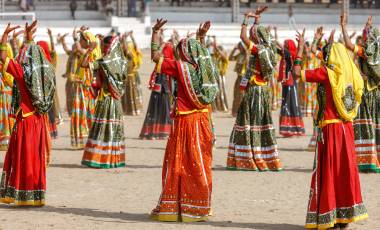
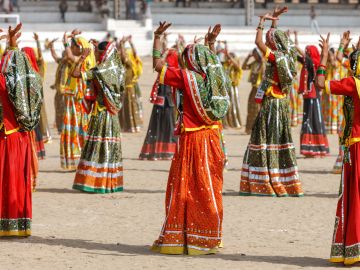
While there are many festivals that take place across different regions of India throughout the year, the Pushkar Festival, also known as Pushkar Camel Fair, is one of the most lively and exciting. Each year, the event is held in the town of Pushkar, Rajasthan and it brings together thousands of camels, livestock traders and visitors from around the world. The highlight of the festival is the trading of camels, where buyers and sellers negotiate deals among a lively atmosphere filled with music, dance and cultural performances. Pilgrims also gather to take a dip in the holy Pushkar Lake, which is believed to cleanse your sins.

FAQs on Cultural Holidays to India

Do I need a visa for travelling to India?

When travelling to India you’ll generally need a visa to enter the country. The visa policy for India varies based on nationality and the purpose of the visit. Most travellers need to apply for an appropriate visa before their planned arrival in India. The process usually involves submitting an application, with required documents, and paying the necessary fees. It is essential to check with the nearest Indian embassy or consulate or visit the official website of the Indian government for the latest and most accurate information regarding visa requirements and application procedures. Also, please ensure that when you enter India, your passport is valid for a minimum of 180 days.

Will I need to have vaccinations before I visit India?

Although there are no vaccination requirements for visiting India, the country is known to have specific health risks. Vaccines for diseases such as Hepatitis A, Typhoid and Yellow Fever are commonly recommended for anyone visiting India. Hepatitis B, Rabies and Japanese Encephalitis vaccines may also be suggested depending on the duration of travel and intended activities. It is important to consult with a healthcare provider or travel clinic well in advance of your trip to ensure you are adequately protected. If travelling from a country with risk of yellow fever transmission, you will also require a yellow fever vaccination certificate.

What foods should I try when visiting India?

India is renowned for its rich and diverse culinary traditions, with explosive flavours and distinct spices. Some must-try foods include biryani, a fragrant rice dish cooked with meat or vegetables and aromatic spices. If you’re not one for hot and spicy dishes, try the creamy and savoury butter chicken, a popular Indian dish made with tender chicken cooked in a velvety tomato-based sauce. And you can’t miss out on the crispy samosas, triangular shaped pastries filled with spiced potatoes, peas and sometimes meat. Complete your culinary journey with a sweet treat like gulab jamun, soft fried dough balls soaked in sugary syrup.

What are the best cultural experiences in India?

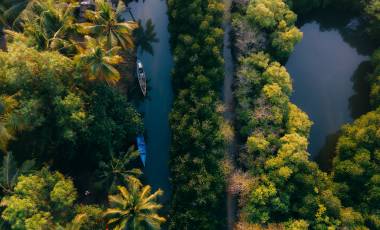
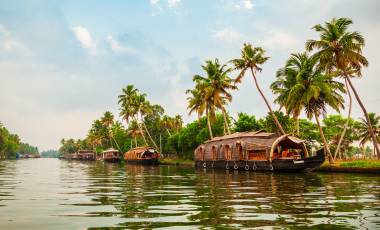
India is blessed with a rich cultural heritage and around every corner is something new and exciting to discover. One of the best cultural experiences is witnessing the iconic Taj Mahal in Agra, an architectural marvel and a symbol of eternal love. The palace is arguably India’s most famous landmark, and a sunset trip is an unforgettable experience. Throughout the year there are vibrant festivals, such as Pushkar Festival, which showcase traditional music, dance and camel trading. Attending a festival is one of the best ways to immerse yourself in the Indian culture. Other unmissable cultural experiences include a cruise along the Keralan backwaters, which provides a glimpse into rural life, and a tour of the iconic tea plantations, which give you a fascinating insight into India’s long-established tea production.

What are the best sights to see on family holidays in India?

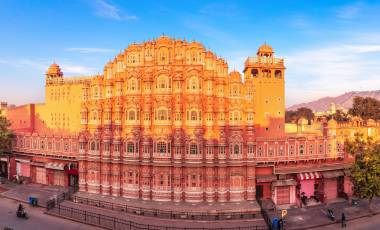
Blessed with a rich history, diverse culture and unique landscapes, India is filled with incredible sights to explore. One of the most iconic sights to discover is the world-famous Taj Mahal in Agra, a UNESCO World Heritage Site renowned for its exquisite architecture and romantic history. The vibrant city of Jaipur in Rajasthan offers a glimpse into the royal heritage of India with its magnificent palaces and forts, while the backwaters of Kerala provide a tranquil escape and let you experience traditional rural life.

Cultural Holidays in India