
This was a fantastic trip with a great variety of hikes, balanced nicely by a handful of slower-paced cultural and wildlife experiences throughout the week. The Carpathian Mountains are absolutely beautiful and still feel untouched compared to many of Europe’s more famous hiking destinations. The scenery is stunning, the villages are charming, and the whole region feels authentic and welcoming.
Wildlife Holidays in Rwanda
Rwanda Wildlife Holidays
Top 5 Rwanda Wildlife
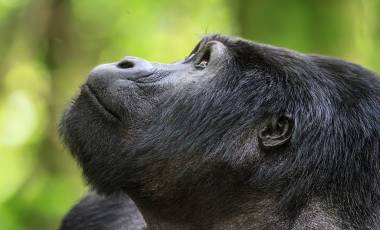
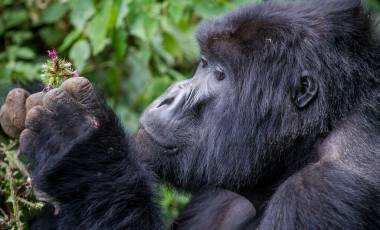
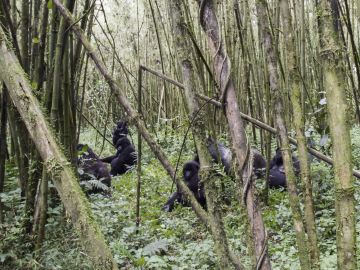
Gorillas: Rwanda’s volcanoes are a natural habitat for the mountain gorilla with around a third of the country’s population found here. The gorilla is one of the most significant species of wild animals in Rwanda but sadly they have become endangered in more recent years. There are two different species of gorilla: the mountain gorilla and Grauer’s gorillas. One of the best places to see these majestic animals is at Volcanoes National Park which lies in north-western Rwanda. The park covers approximately 160k of rainforest and plays host to eight volcanoes.
Elephants: There are various species of elephant found in Rwanda, mainly in Akagera National Park where there are believed to be 100 living at this present time, although the population is on the increase. Unfortunately poaching is still a huge threat to these beautiful animals but there are ongoing conservation projects in place to protect the species. The African savanna elephant is the largest of the species and an adult male can weigh up to a staggering 10 tonnes. Surprisingly their prehensile trunks are extremely strong and can lift almost 3% of their own body weight.
Lions: Prior to the Rwandan Civil War in 1994, lions were in abundance. However, many were sadly killed during the conflict and there are believed to be just 25 remaining in Rwanda. The majority of the lions are now protected in Akagera National Park, and it’s thought that some may have arrived from Tanzania. During a major conservation project, seven lions were donated by two national parks in South Africa to increase the population in Rwanda.
Antelope: Native to Africa, there are several species of antelope found in Rwanda, mainly in Akagera National Park, which stands in the east of the country. While impalas, duikers and klipspringers have made the park their home, the more common roan antelopes are often found in woodlands and savannah grasslands. The roan is one of the continent’s largest hooved animals, only outsized by the eland and African buffalo. Easily recognised by its reddish-brown colour, the roan is the most familiar species to anyone embarking on a wildlife tour of Akagera National Park.
Guereza: Probably the least recognisable of all the above Rwandan wildlife, the Guereza is a small black and white monkey found in African countries such as Kenya, Rwanda, Tanzania and Nigeria. The beautiful mantled species has a long silky white fringe, and its natural habitat is that of savannah woodland, swamps and rivers where there are plenty of trees to feed off.
Shaelene Chapman Carpathian Walking & Bears
Gemma Jones Essential Kruger SafariWhat an incredible experience from start to finish! This trip exceeded all our expectations.
Frank was an fantastic guide who made the whole trip run seamlessly, alongside incredible local wildlife experts who knew exactly where to go to give us the most extraordinary wildlife encounters. There are plenty of game drives at different times of the day, so we had plenty of opportunities to see different animals and experience the bush in different ways.
The accommodation was fantastic, full of character and incredibly comfortable with all our group’s rooms having a terrace out to the pool. And the food provided was delicious – with plenty of it!
Another real highlight was the Panorama Route, which completely took us by surprise. The scenery was breathtaking and added another incredible dimension to the trip.
Richard Lord Kenya & Tanzania AdventureIf you want to see a lot of animals and don’t mind camping and a lot of travel on often bumpy roads, this is the trip for you. We saw all of the Big 5 and the Ugly 5 in the first two and a half days.

Become an Exodus insider
Get insider tips, travel inspiration, and exclusive offers you won’t find anywhere else – sign up now!