
Witness the ‘Eclipse of the Century’ while exploring the Kingdom with a guide who brings its stories to life
Saudi Arabia has long been shaped by pilgrimage, trade and desert routes, yet only recently has it opened to wider exploration. Led by an expert Saudi tour leader, we journey from the heart of the Kingdom to the Red Sea, travelling through deserts, oases and mountain landscapes while visiting several World Heritage sites. A defining moment is witnessing a rare total solar eclipse from within the path of totality, guided by an astronomy specialist. Along the way, we explore Nabataean tombs at Hegra, ancient rock art at Jubbah, Medina beyond its holy sites, and stay in a village homestay in the Asir Mountains, gaining insight into a country in transition
Highlights
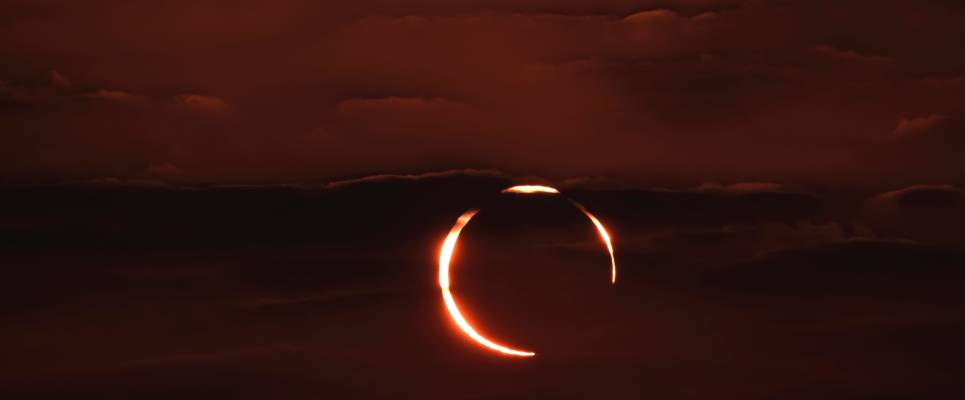
Witness the Eclipse of the Century with an astronomy expert
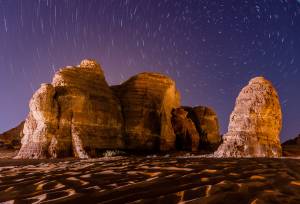
Stargaze under clear desert skies in AlUla, using traditional Bedouin navigation knowledge
Explore the Nabataean city of Hegra and the Neolithic rock art sites of Jubbah, both UNESCO World Heritage-listed
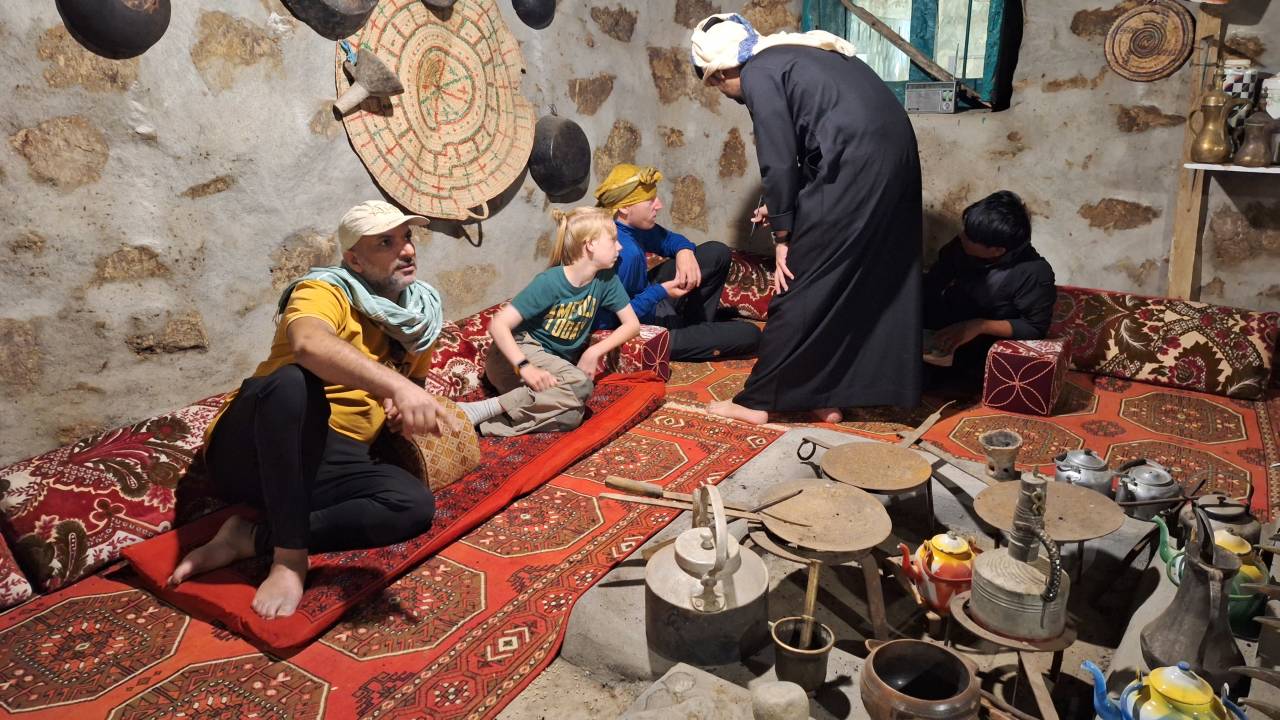
Spend a night in a family-run homestay in Asir, gaining insight into daily life in the southern highlands
Visit Medina and learn about its wider history beyond the Prophet’s Mosque
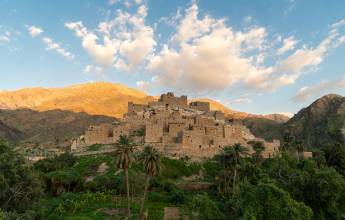
Discover the marble-built village of Thee Ain and travel through the forested mountains of southern Saudi Arabia
Key Information
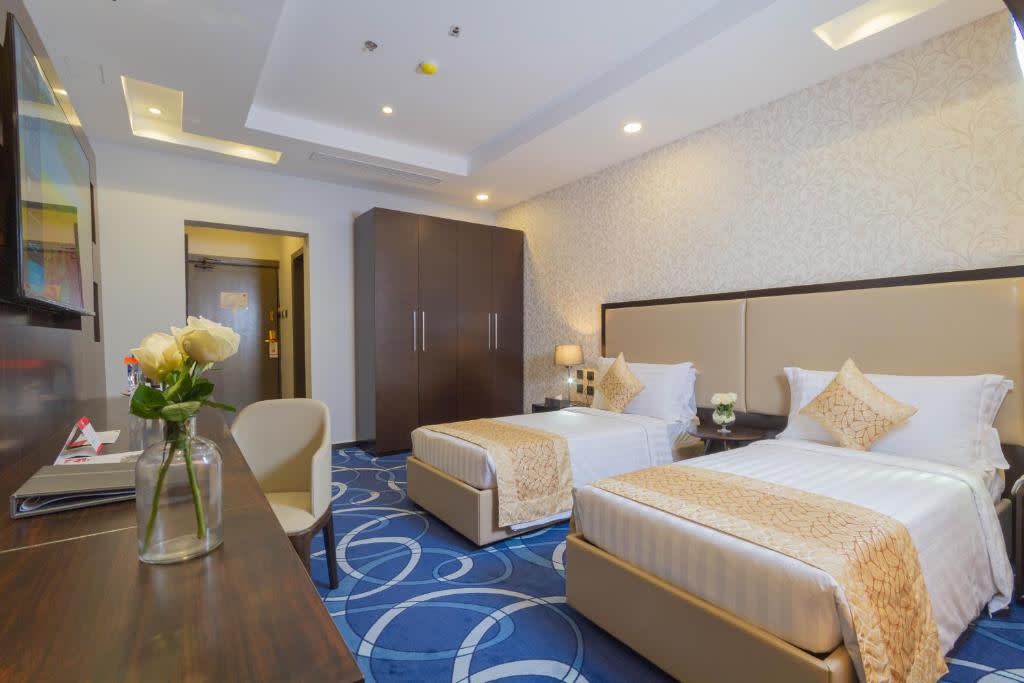
Accommodation: 2 Superior nights (hotel), 10 Classic nights (7 hotel, 2 farm stay in bell tents), 1 Simple night (homestay)
Travel by air-conditioned minibus or bus, plus two journeys by high-speed train
Group normally up to 16 plus Saudi Arabian leader. Minimum age: 16
Countries visited: Saudi Arabia
What's Included
All breakfasts, three lunches and two dinners
All accommodation
All transport and listed activities
Tour leader throughout
Group arrival and departure transfers available
What's Not Included
Travel insurance
Single accommodation (available on request)
Visas or vaccinations
Sustainability and Impact
As a certified B Corp, we’re on a mission to improve our social and environmental impact across all our adventures.
This ‘nature positive’ approach is designed to help nature and communities thrive in harmony through practical solutions, such as reducing carbon and waste on our trips, supporting conservation projects through the Exodus Adventure Travels Foundation, and rewilding 100 square metres for every Exodus traveller.
Start
Finish
Availability
Land Only Trip Price
Optional Single Supplement
Saturday
Saturday
24 Jul 2027
24 Jul 2027
Friday
Friday
06 Aug 2027
06 Aug 2027
AvailabilityAvailable
Land Only Trip PriceUSD 10050
Book with USD 2512 deposit
Book with USD 500 deposit
Optional Single Supplement+USD 1733
Availability
This departure is available for new bookings, and will be guaranteed to go ahead once it reaches minimum numbers. Please click Continue to proceed with booking or contact our Sales team for assistance.
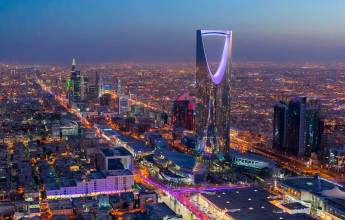
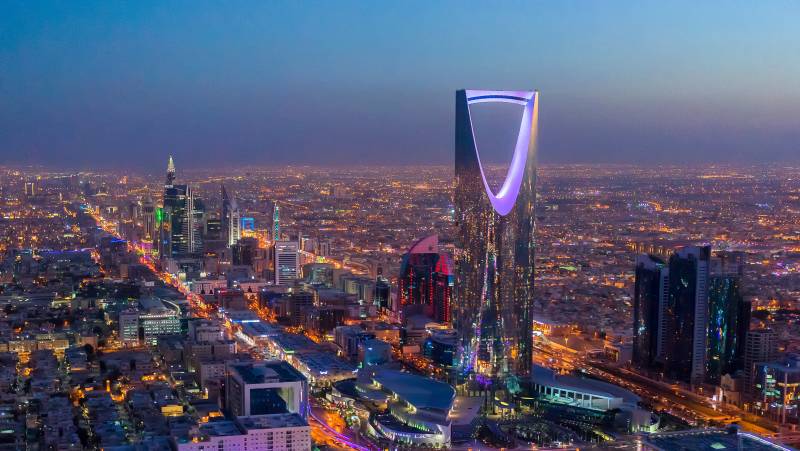
Begin your adventure in Riyadh, the capital of Saudi Arabia and a city that has grown from an oasis settlement into the country’s political and administrative centre.
Around 6pm, we say marhaban (hello) to your tour leader and fellow travellers as we gather for our welcome briefing and an outline of the journey ahead.
Your tour leader then ensures a big Saudi welcome by arranging a group dinner – our first chance to share food, conversation and get to know each other.
Want more time in Riyadh? Secure pre-tour hotel nights through your sales representative.
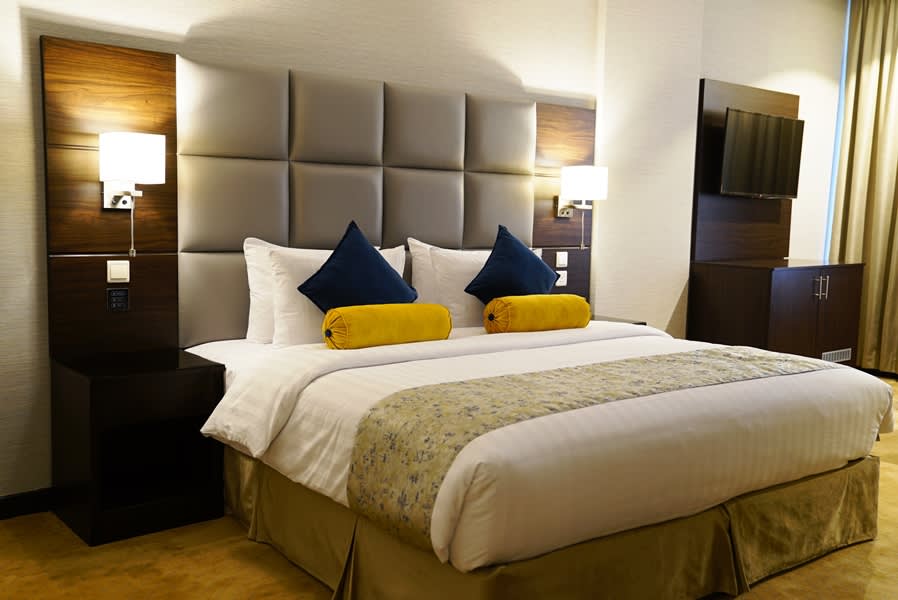
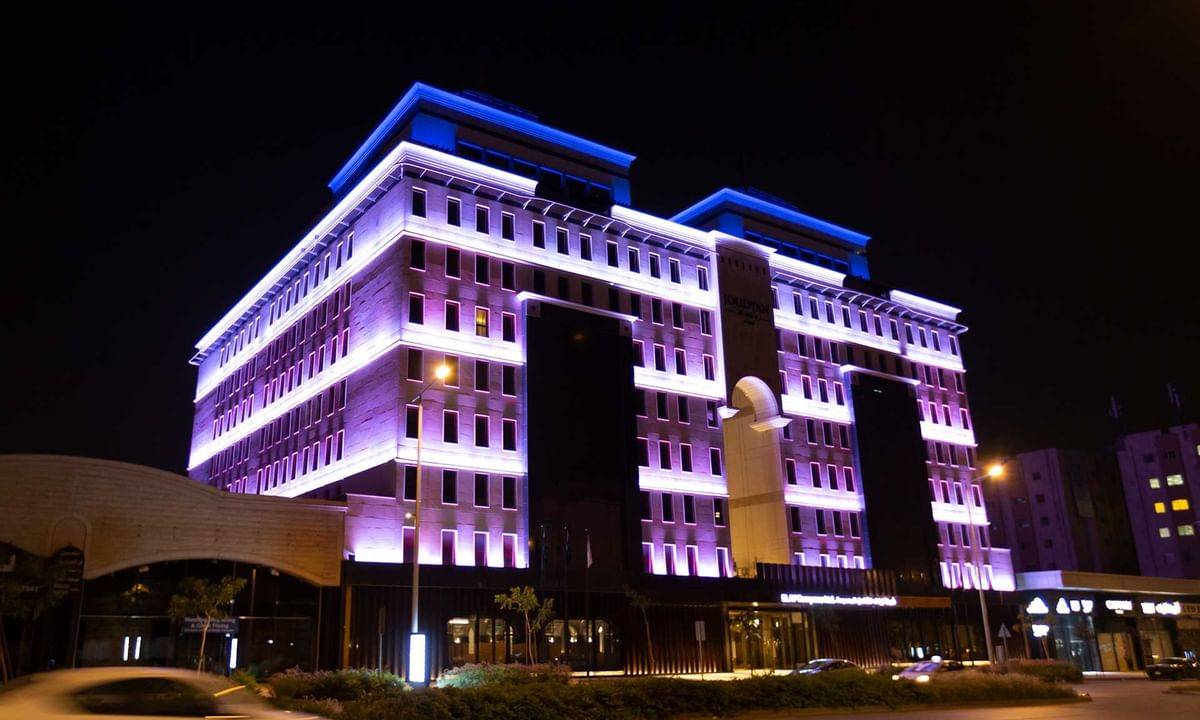
Accommodation: Joudyan Hotel by Elaf (or similar)
Meals included: Dinner
Day
2
Discover the contrasts of Riyadh
Join our Saudi tour leader to explore this diverse city, starting at Masmak Fortress in the historic heart of Riyadh. This clay and mud-brick citadel witnessed the events that led to the formation of the modern Kingdom of Saudi Arabia. While much of Riyadh reflects rapid, recent development, pockets of older commercial life remain, and we visit a traditional souq, such as Souq al Zel or Souq Bisht.
We then continue to Murabba Palace and the National Museum of Saudi Arabia, which provides a clear and well-curated introduction to the country’s history. Passing through the King Abdullah Financial District, we see the sharply contemporary centre of business in the Kingdom, along with the Grand Mosque.
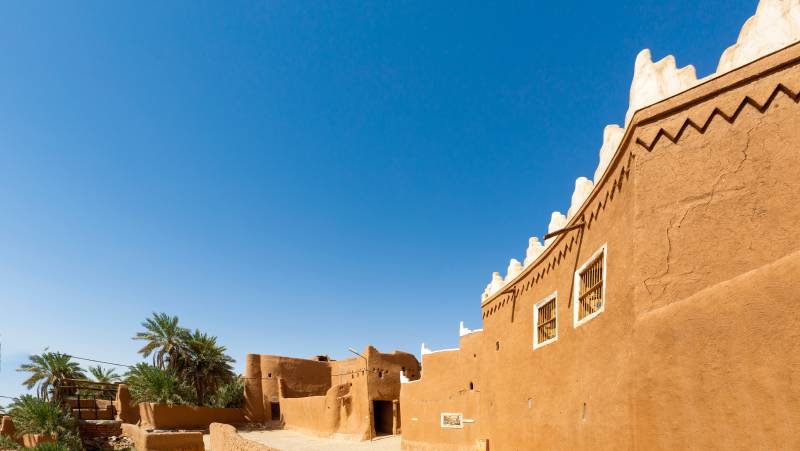
From present-day Riyadh, we step back to Ad Diriyah, the birthplace of the first Saudi state, which existed from 1744 to 1818. This World Heritage site has been carefully restored, allowing us to understand its distinctive mud-brick architecture and its role in Saudi history. Several well-regarded restaurants sit just outside Ad Diriyah, where we have options for dinner.
Accommodation: Joudyan Hotel by Elaf (or similar)
Meals included: Breakfast
Day
3
Ushaiger heritage village • To Buraydah
Rise early and travel by road to Buraydah, in the heart of the Arabian Peninsula. En route, we stop at Ushaiger, one of the region’s oldest settlements. Largely abandoned today, this former trading village offers a clear example of traditional Najdi mud-brick architecture, with tightly packed houses designed for shade and ventilation.
About 25 minutes from Buraydah, we visit Al Bassam Heritage House in Unaizah, built in 1955 using traditional Najdi ventilation and lighting techniques. The house has 30 rooms arranged over two floors, including former bedrooms, guest rooms and storage spaces. Inside, we’re introduced to local crafts, traditional foods, folk tales and poetry, offering insight into everyday life in the region.
We then continue to Buraydah, the capital of Al-Qassim province. Despite its desert setting, agriculture remains central to the local economy, supported by low humidity and underground water, with date palms and citrus fruits among the main crops.
Explore Buraydah Camel Market early this morning, often described as the largest of its kind. Large numbers of camels, alongside goats and sheep, are traded here, with stalls also selling saddles and other equipment.
We also visit another local market and the region’s major date market, where we can sample Al-Qassim’s well-known dates. The volume of produce changes with the season, but the market remains active throughout the year.
We then leave Al-Qassim province and travel (two hours) by high-speed train to Hail, a far quicker journey than by road. In this historic regional centre, we visit the hilltop A’arif Fort, which illustrates the city’s former strategic role.
We continue to the Al Qishlah compound, built from the same red mud as A’arif, where high defensive walls reflect the authority once held by local rulers.
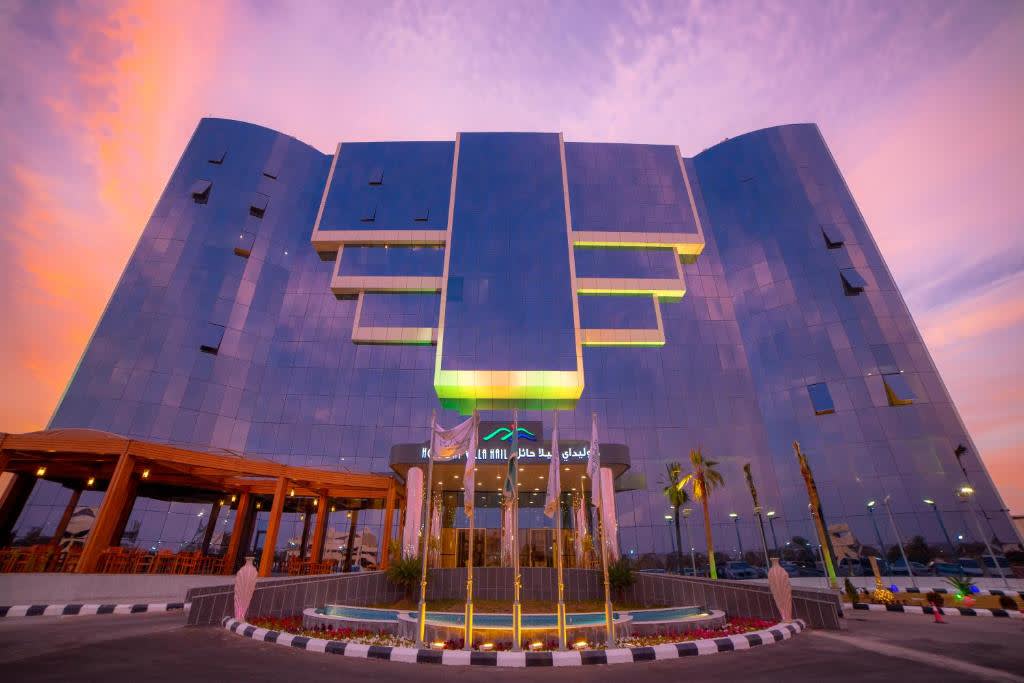
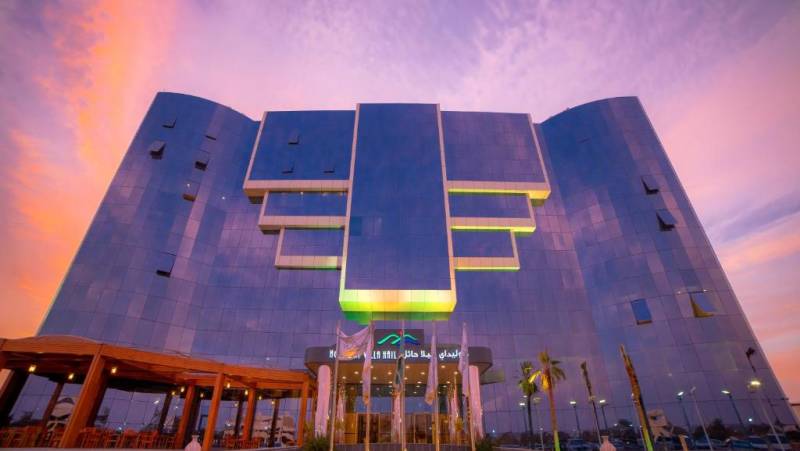
Accommodation: Holiday Villa Hail (or similar)
Meals included: Breakfast
Day
5
Admire 10,000-year-old rock art at Jubbah • To AlUla
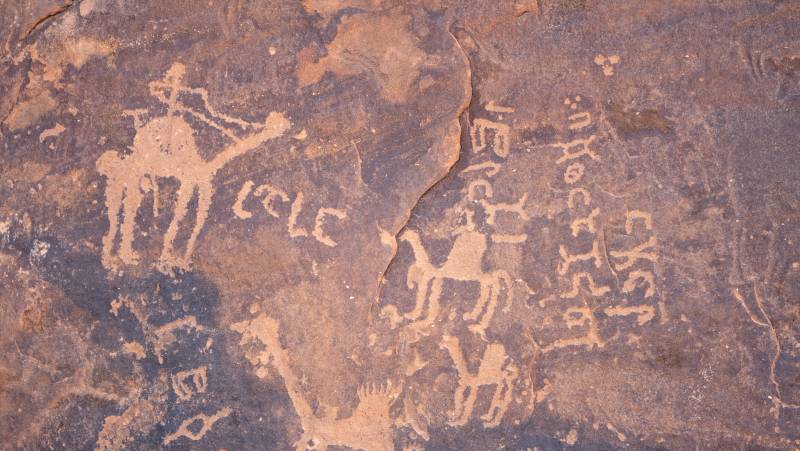
Travel to Jubbah, on the edge of the Al Nafud desert, where large sandstone outcrops are carved with Neolithic petroglyphs and inscriptions, among the most significant rock art sites in the Arab world.
These UNESCO-listed carvings depict animals including aurochs, cheetahs and lions, offering evidence of a time when the climate here was wetter and supported savannah landscapes.
We then continue by road to AlUla, covering a long distance as we cross Nefud Al Kabir, a name that translates as the ‘great extent of dunes’. A picnic lunch is taken en route.
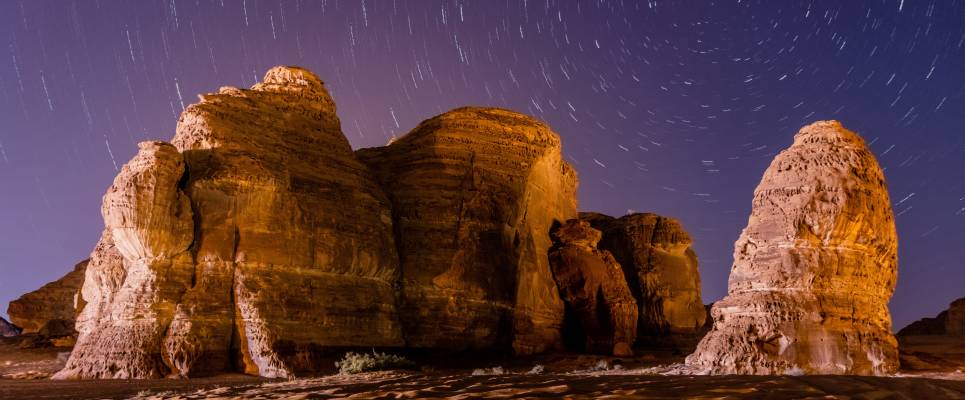
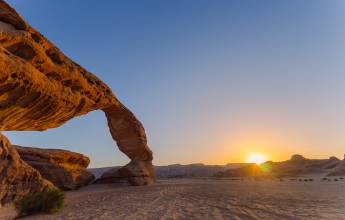
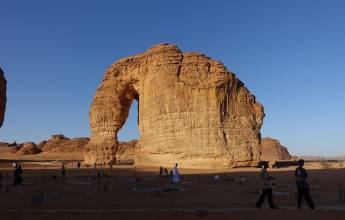
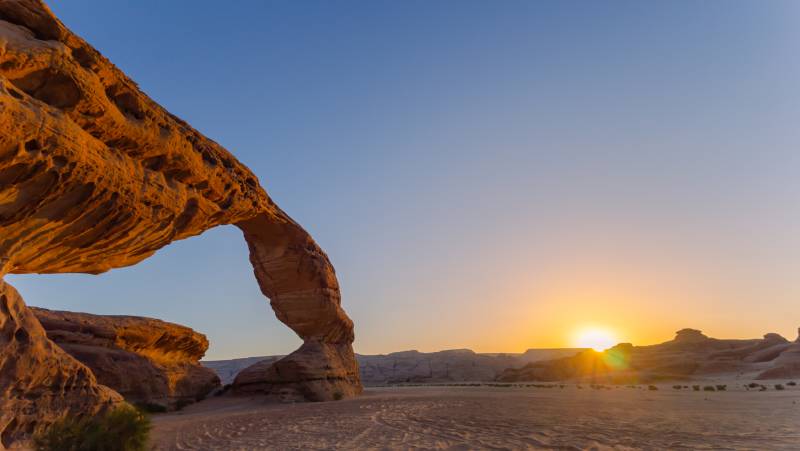
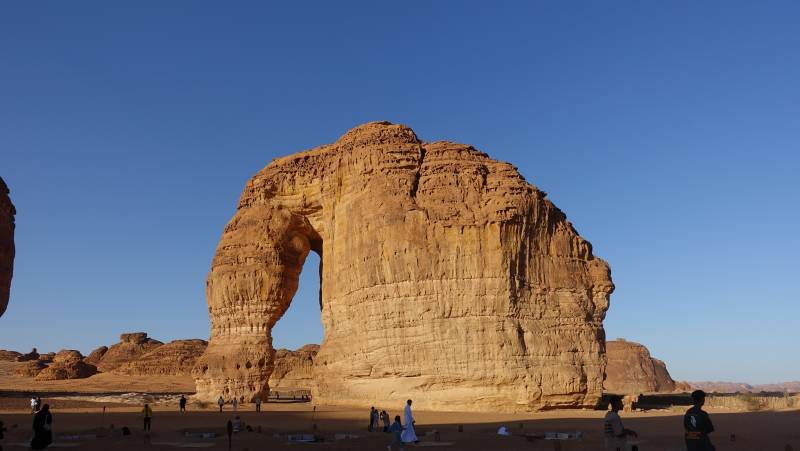
We aim to arrive in AlUla in time for sunset at Jabal Al Fil (Elephant Rock), a natural sandstone formation that draws local people and visitors in the early evening. After, we travel to our base for the next two nights, a farm stay.
We drive about 390mi (625km) today.
Accommodation: Mazham Boutique Farm (or similar)
Meals included: Breakfast, Lunch
Day
6
Explore the Nabatean city of Hegra • Marvel at the Maraya mirrored building • Stargaze with an expert
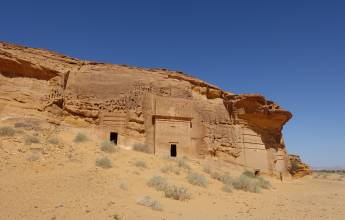
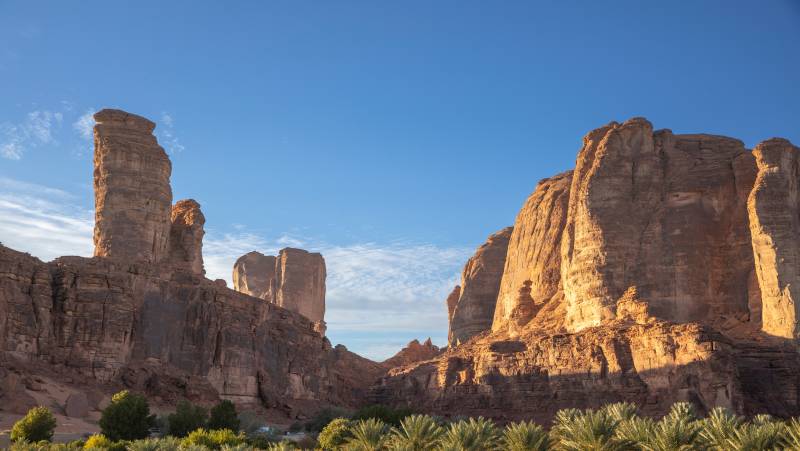
AlUla is an ancient oasis with evidence of human settlement stretching back around 7,000 years. The area is known for its sculpted sandstone landscapes, extensive pre-Arabic rock art and the exceptionally well-preserved tombs built more than 2,000 years ago by the Nabataeans.
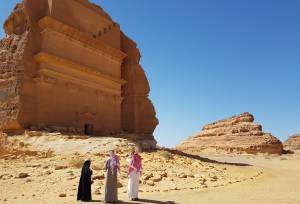
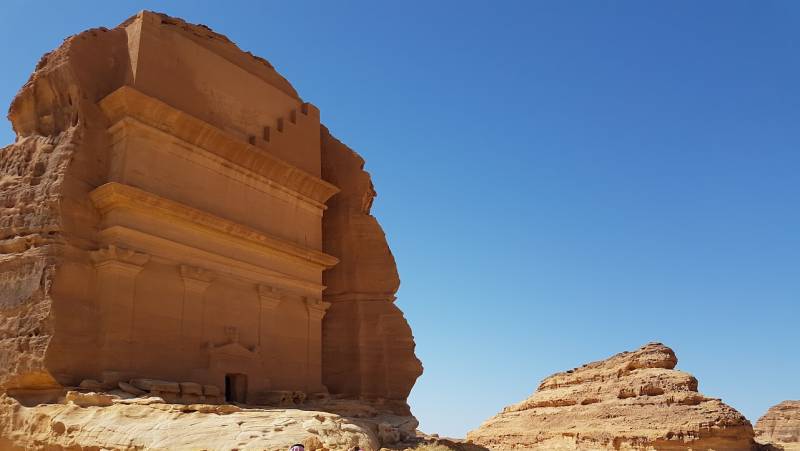
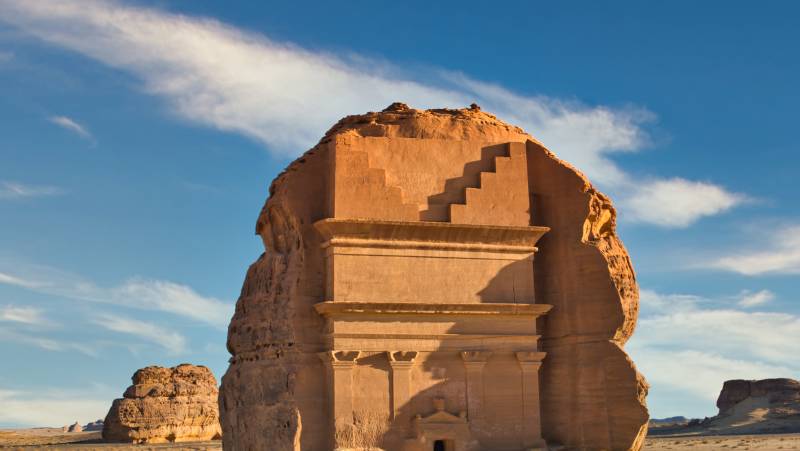
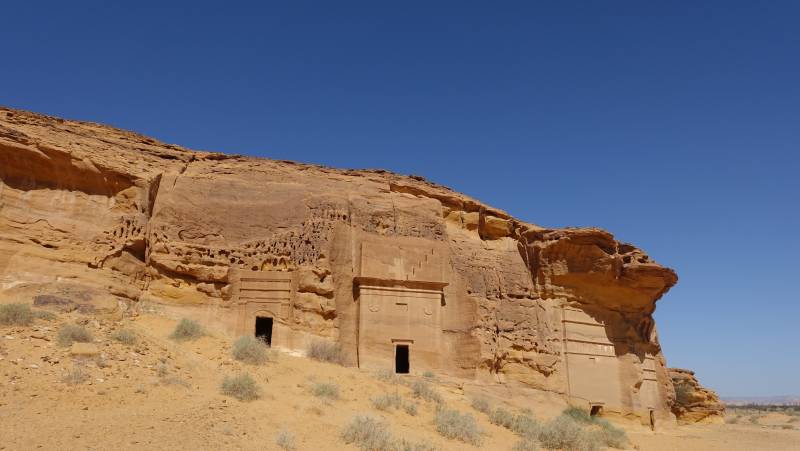
We begin at the World Heritage site of Hegra (Madain Saleh), the southernmost major city of the Nabataean Kingdom. It’s second only to Petra in Jordan in terms of the scale and richness of its Nabataean funerary architecture and we explore the site’s tombs, inscriptions and stone structures, gaining insight into Nabataean society and beliefs.
We then stop at Maraya, the largest mirrored building in the world, to see how the façade reflects the surrounding cliffs and desert, before continuing to AlUla Oasis for coffee among the date farms.
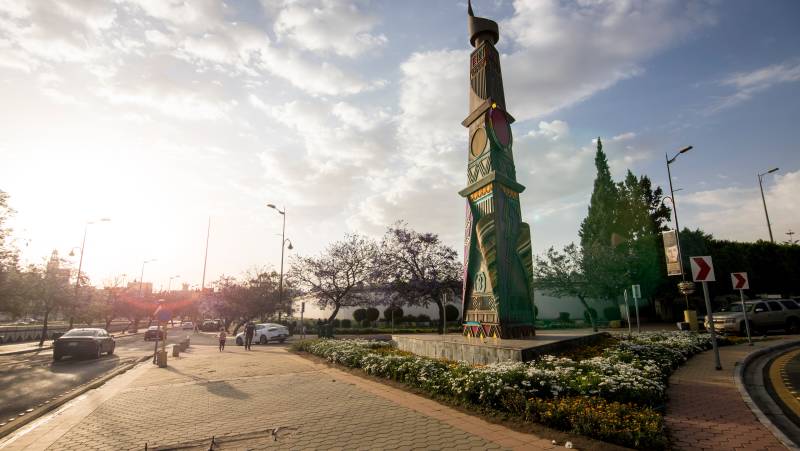
Walking along the shaded Oasis Heritage Trail, we pass palm groves and citrus trees and see how this fertile corridor provided water, food and shelter for travellers and nomadic groups over centuries. We exit the oasis at Al Jadidah, also known as Art City, where contemporary art installations line the streets.
We continue to AlUla historic city, often referred to as the Old Town, which once lay on key trading routes linking Arabia with the wider region. Recent restoration has stabilised many of its lanes and structures, and the remains of stone and mud-brick houses and former town squares are still visible today.
Back at the farm stay, the day ends with a stargazing session led by a specialist. With minimal light pollution, the desert skies here are exceptionally clear. Using traditional Bedouin navigation knowledge, our guide explains how the stars were read for travel and storytelling, bringing AlUla’s night sky into context.
Accommodation: Mazham Boutique Farm (or similar)
Please note – the order of visits today and tomorrow can vary depending on ticket availability at the main sights. Also, we may be divided into two groups for the tour of AlUla Old Town.
Meals included: Breakfast
Day
7
See the mud city ruins of Khaybar oasis • To the holy city of Medina
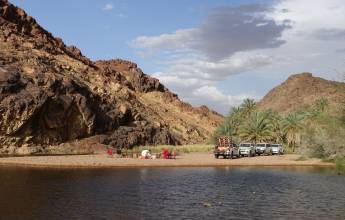
Visit the Khaybar oasis, a volcanic area with black lava stone, mountain vistas and a rich history. Before the rise of Islam in the seventh century, the Khaybar region was inhabited by Arabian Jewish tribes. In 628 CE, Muslims under the leadership of Prophet Muhammad took over the city during the Battle of Khaybar. We visit the remains of the mud city situated in a steep wadi (valley) with several fortresses towering over thousands of green palm trees.
Then continue by road to the second holiest city in Islam: Medina. While tourists are strictly forbidden from visiting Mecca, we can see many parts of Medina.
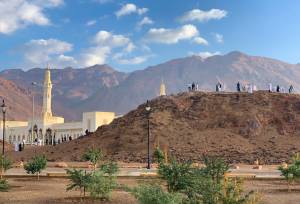
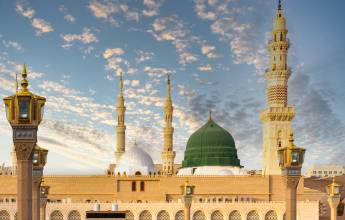
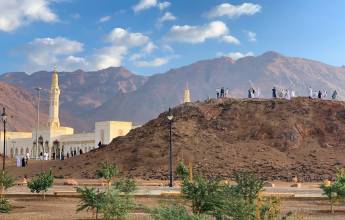
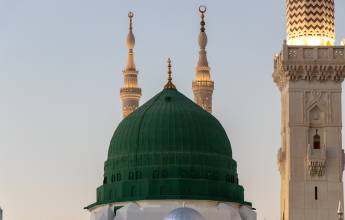
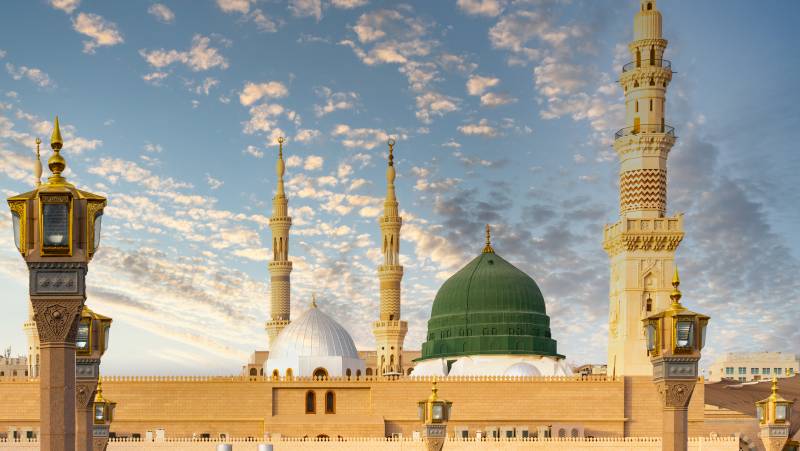
Medina is centered around Al Masjid an Nabawi (the Prophet’s Mosque), a 10-minaret giant that can accommodate one million people. We join the throngs of pilgrims in the heart of the city. Non-Muslims are welcome to enjoy exterior views of the mosque from the edge of the square but cannot pass through the gate or enter. Sunset is a great time to visit Mount Uhud, a major pilgrimage site and viewpoint across the Holy City.
We drive about 250mi (400km) today.
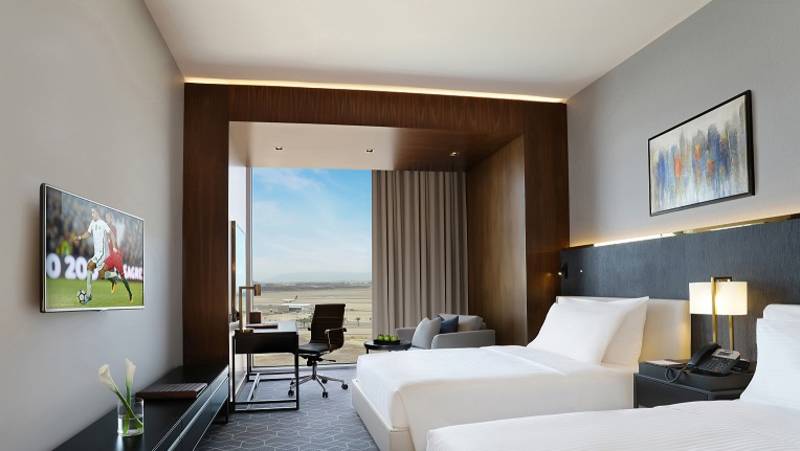
Accommodation: Millennium Hotel (or similar)
Our hotel today is close to Medina airport due to restrictions on where non-Muslim visitors can stay in the city itself.
Meals included: Breakfast
Day
8
Explore the other highlights of Medina • Train to Jeddah
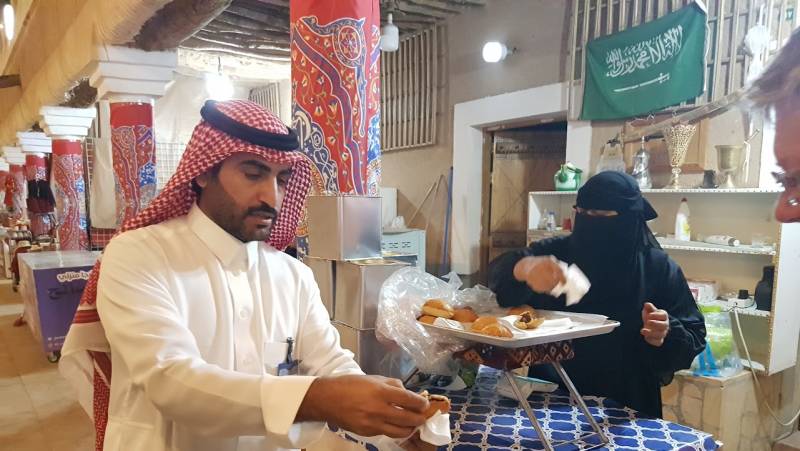
There is more to Medina than its principal holy site. We visit the former terminus of the Hijaz, or Ottoman, Railway, which once carried pilgrims to Medina from as far as Damascus. We then have time to browse the central market, where local stalls reflect a strong tradition of sweets. Typical treats include ma’amoul (butter cookies filled with nuts or dates), luqaimat (small fried dumplings drizzled with honey) and kunafa (a layered dessert of fine pastry, soft cheese and rose water syrup).
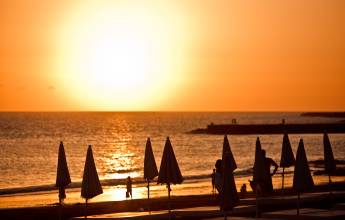
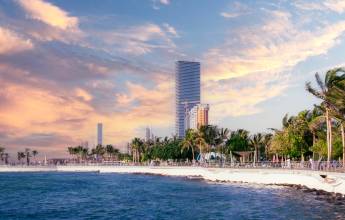
After lunch with views towards the Prophet’s Mosque, we board a high-speed train to Jeddah, covering the 250mi (400km) journey in under two hours. On arrival, we head to the corniche for drinks, seated on traditional takwa carpets. As evening falls, the call to prayer carries across the city and King Fahd’s Fountain, the tallest of its kind, is illuminated against the night sky.
Accommodation: Ewaa Express, Jeddah (or similar)
Meals included: Breakfast, Lunch
Day
9
Explore Jeddah, including Al-Balad World Heritage site
Begin with a visit to the Tayebat Museum (Abdul Raouf Khalil Museum), which presents the heritage of Jeddah and the wider Arabian Peninsula. The complex features life-size reconstructions of traditional Saudi, particularly Jeddahwi, architecture, alongside everyday tools, household items, artworks and exhibits relating to the two Holy Cities of Mecca and Medina.
We then visit Jeddah fish market to see the day’s catch being landed and traded. There is the option to buy fresh fish and have it cooked at a simple restaurant within the market, or to dine at a nearby seafood restaurant.
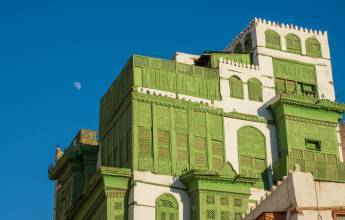
In the afternoon, we walk through Al-Balad, Jeddah’s historic district and a World Heritage site. Its multi-level merchant houses are built from coral stone and decorated with intricately carved roshan (wooden lattice windows), a traditional design used to provide shade and airflow in the city’s hot, humid climate.
Accommodation: Ewaa Express, Jeddah (or similar)
Meals included: Breakfast
Day
10
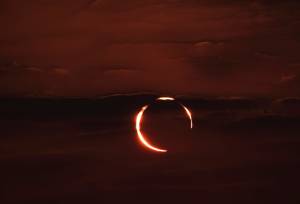
Witness the Eclipse of the Century with an astronomy specialist
Today is one to remember as we witness a celestial phenomenon, which has been dubbed the Eclipse of the Century, while travelling to Al Bahah. This will be the second-longest total solar eclipse of the 21st century, with an unusually long period of totality – up to six minutes. The coastal corridor between Jeddah and Abha lies within the path of totality, making it one of the strongest land-based viewing areas.
On arrival at a carefully selected viewing location, chosen for optimal visibility, we meet an astronomy specialist who introduces the science behind the eclipse and guides us through the experience. The partial eclipse is expected to begin at approximately 12.23pm, with totality starting shortly after 1.22pm and lasting up to six minutes in this area. The exact viewing point and transfer timings will be confirmed closer to departure to maximise weather conditions and visibility, most likely at a site south of Jeddah.
After the eclipse, we enjoy a boxed lunch before continuing south through wide, open landscapes of rocky plateaus and sandy stretches. Small towns and settlements line parts of the route before we turn east into the foothills, where the terrain begins to rise steadily.
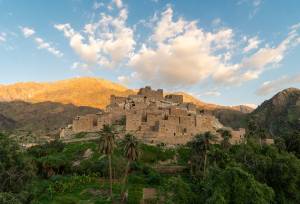
Our first stop is Thee Ain, one of the region’s best-preserved villages. A small visitor centre provides context on local history and daily life, after which we explore steep lanes, narrow staircases and traditional houses, with rooftop viewpoints overlooking the valley below. A torch can be useful in some of the darker interiors. At the base of the hill, a small stream offers a shaded spot for a refreshment.
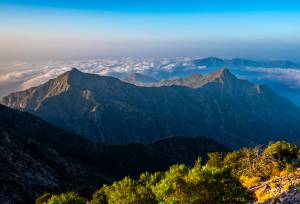
We then continue along the Sarawat range, following mountain roads that climb through dramatic terrain before reaching Al Bahah. Set at around 7,220ft (2,200m) above sea level, Al Bahah is the capital of the surrounding region and is known for its cooler climate and forested setting, with numerous protected woodland areas including Raghdan, Al-Zareeb and Baidan.
Accommodation: Swiss Spirit Cloud City, Al Bahah (or similar)
Meals included: Breakfast, Lunch
Day
11
Visit Al Malad Castle • To Al Shaaf homestay
Drive south through the mountains towards Abha and the Yemeni border, stopping en route at Al Malad Castle. This twin fortress sits on a hill overlooking an old commercial route into Asir. Built around four centuries ago by two brothers, it once served both defensive purposes and as a store for provisions.
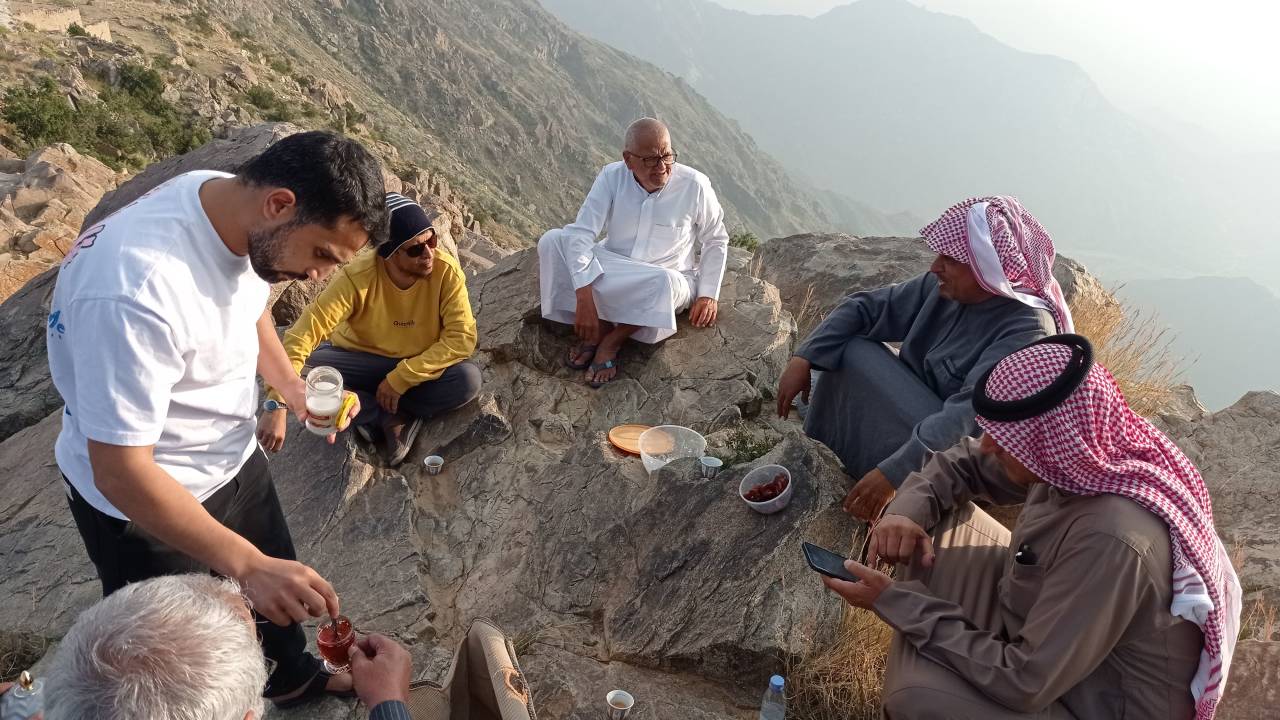
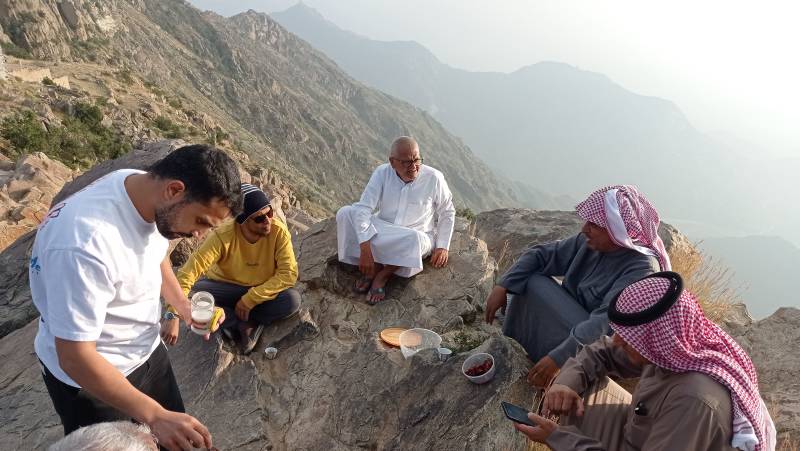
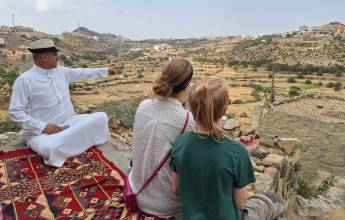
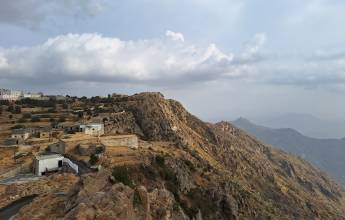
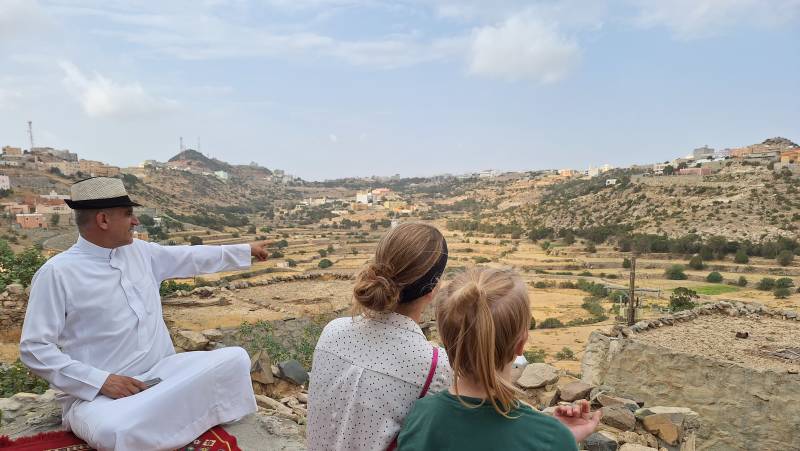
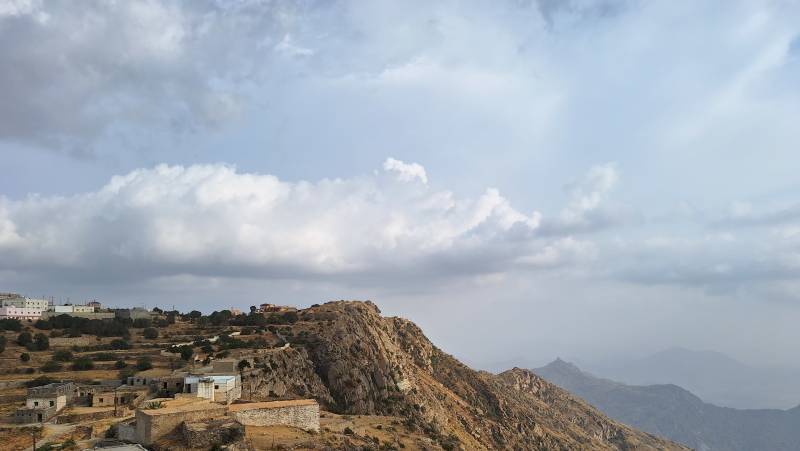
After continuing the drive and breaking for lunch, we set out on an afternoon hike of around 2mi (3km). The walk follows a valley lined with agricultural terraces, an uncommon landscape in much of Saudi Arabia. We arrive at a historic stone-built village, where one of the most striking features is a crescent-shaped settlement in the Al Shaaf area, dramatically positioned on the edge of a cliff. Local residents actively maintain the village despite its challenging location, and we hear their stories over cups of sweet mint tea.
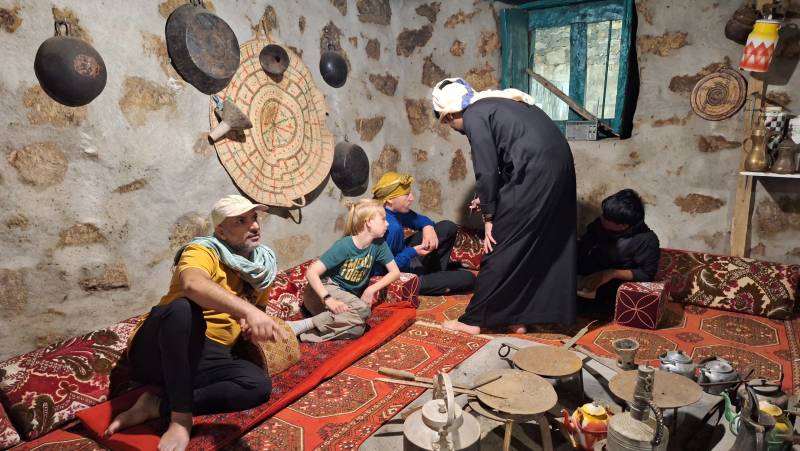
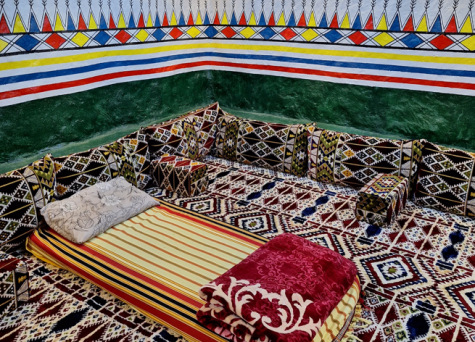
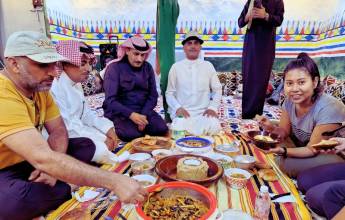
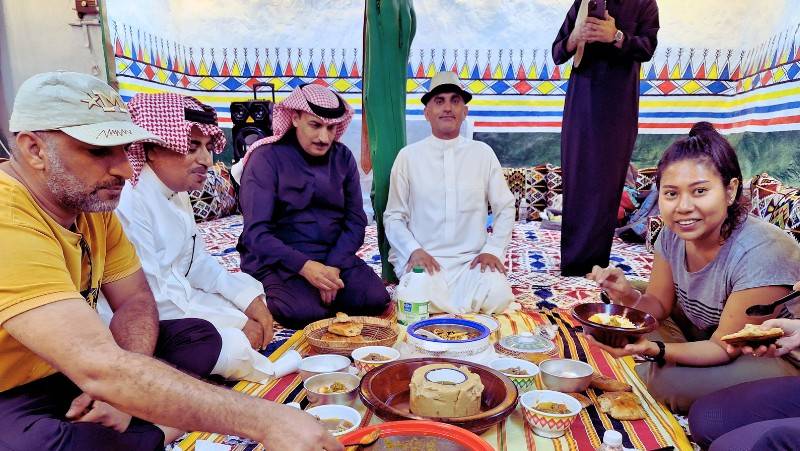
In contrast to desert regions where tents or mud-brick buildings are traditional, the abundance of stone here has shaped local architecture. Houses, mosques and defensive structures are built from rock, often decorated with white marble. Interiors and doorways are painted in bold combinations of white, red, yellow and green. We are welcomed into one of these homes for a homestay, with meals taken sitting on the floor. If time allows, we stroll around the village to take in the views, watch goat herds and, on occasion, spot monkeys. As evening falls, clouds sometimes rise from the valley before clearing, revealing a night sky scattered with stars.
We drive about 155mi (250km) today.
Please see the accommodation section for more detail on the homestay experience.
Accommodation: Homestay
Meals included: Breakfast, Dinner
Day
12
To Abha
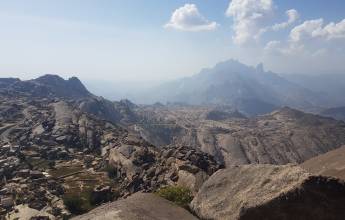
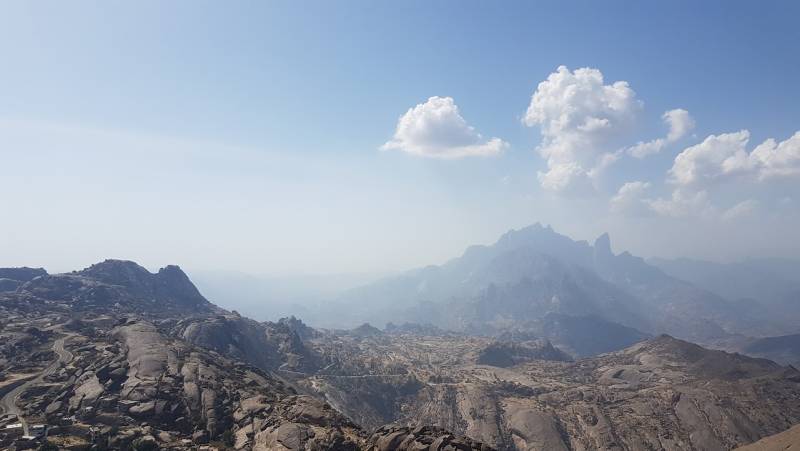
The call to prayer may sound before sunrise, though you’re welcome to rest a little longer. After a local breakfast, we drive to Abha. As we head further south, the landscape becomes increasingly rugged, with rising peaks culminating at Jabal Sawda, the highest summit in Saudi Arabia.
Before reaching Abha, we pass through areas known for traditional Asir houses and stop at the village of Olayan, where an impressive mosque and wide-reaching views provide a sense of the region’s setting. In the town of Namas, we visit a former ruler’s residence, built like a fortress and now converted into a museum. A picnic lunch is taken in a park overlooking the deep valley outside town.
We end the day in Abha, stretching our legs along Art Street, an area known for its public artworks and jacaranda trees, where artists from across the country gather. As the afternoon light fades, we browse the local farmers’ market, filled with regional produce and everyday activity, before settling in for the night.
Journey time: four hours
Accommodation: Ewa Express Hotel (or similar)
Meals included: Breakfast
Day
13
Discover Abha and the Asir region
Abha and the wider Asir region reward deeper exploration, with local culture, architecture and heritage firmly in focus as we uncover the landscapes around the city. This final road journey through the Saudi mountains is among the most striking of the trip. We pass Jabal Sawda, among the highest peaks in the Kingdom, before descending a dramatic hairpin road to Rijal Almaa, a World Heritage site of around 60 multi-level stone houses clinging to the mountainside. Built vertically to regulate temperature, these fortress-like homes reflect centuries of adaptation to the environment.
Climbing back into the highlands, we visit a carefully restored fortress in Tabab village, its thick mud-and-stone walls overlooking cultivated fields and the valley below. After lunch in the village, we return to Abha and deepen our understanding of regional traditions at the Fatima Museum of Aseeri Women. The exhibits explain Asir design, interior decoration and natural painting techniques passed down through generations, revealing the meaning behind the colours and patterns seen throughout the region.
Journey time: eight hours
Accommodation: Ewa Express Hotel (or similar)
Meals included: Breakfast
Day
14
Adventure ends in Abha
You’ve followed witnessed the Eclipse of the Century, explored rock art and Nabataean tombs, crossed desert and mountain landscapes, and shared time with local communities, but now it’s time to begin your return journey home.
If you’d like to extend your stay and spend more time exploring Abha and the Asir Mountains, speak to your sales representative about extension options.
Meals included: Breakfast
Fly to London
We drive to Jeddah airport for our flights home today.
Meals included: Breakfast
Essential Info
Is this trip for you?
This trip is graded Activity Level 2 (Easy & Moderate). For more information on our trip gradings, visit the Activity Level Guidelines page. If you have any queries about the difficulty of the trip, please contact us.
It is suitable for all with average health and fitness. No experience of any activity involved is necessary. However, please note:
Some days start early, allowing us to maximise our time in Saudi.
There are some long travel days, but roads are good and the vehicle we use has plenty of space. We break the road travel with a couple of high-speed train journeys. The longest drives are on days 3, 5, 7, 10 and 12, where we cover 185mi-330mi (300km-530km).
Saudi Arabia can be hot, especially during September/October and April/May, which can cause discomfort while travelling. Take care to keep hydrated. In contrast, some parts of this trip can be cold, especially AlUla where nightly temperatures can near freezing, particularly in December and January.
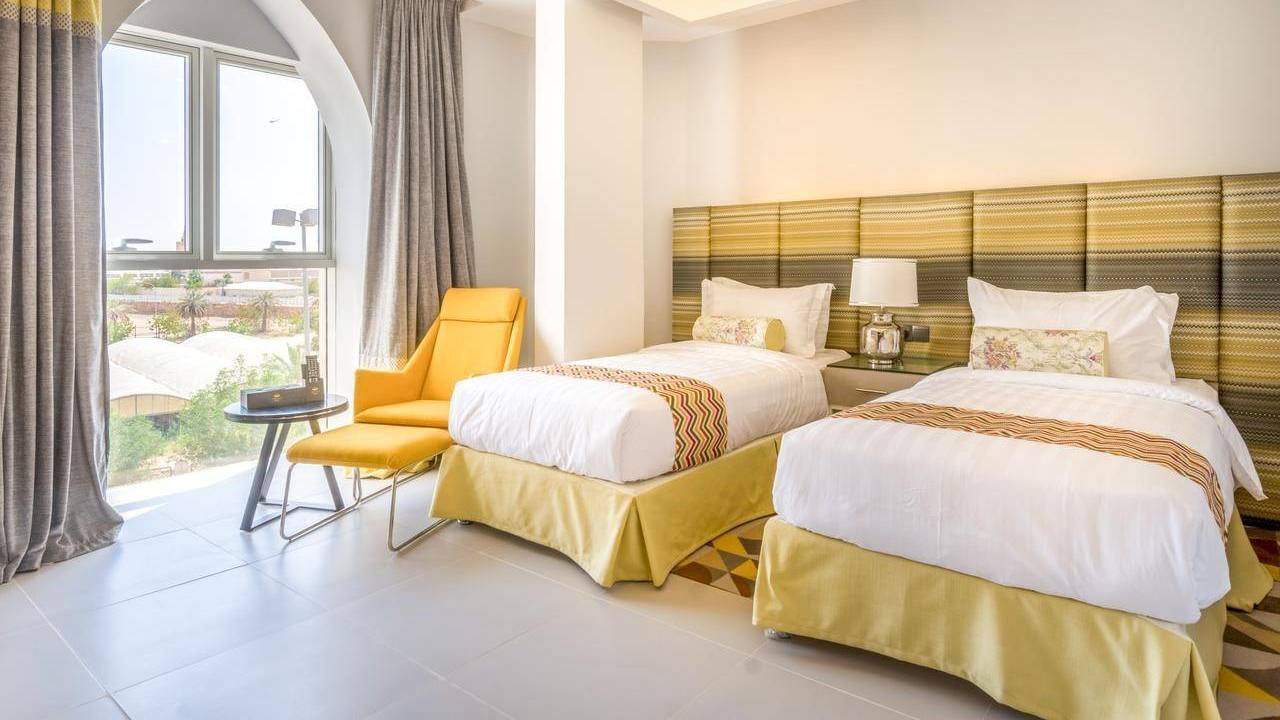
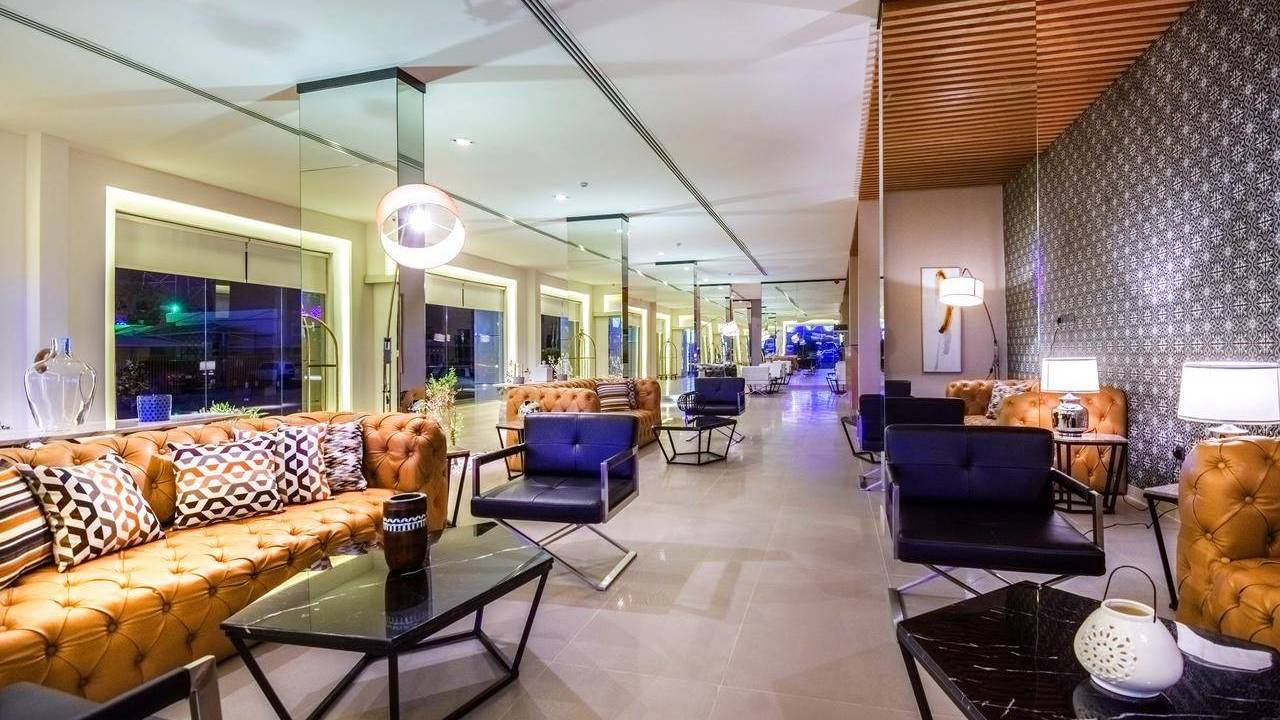
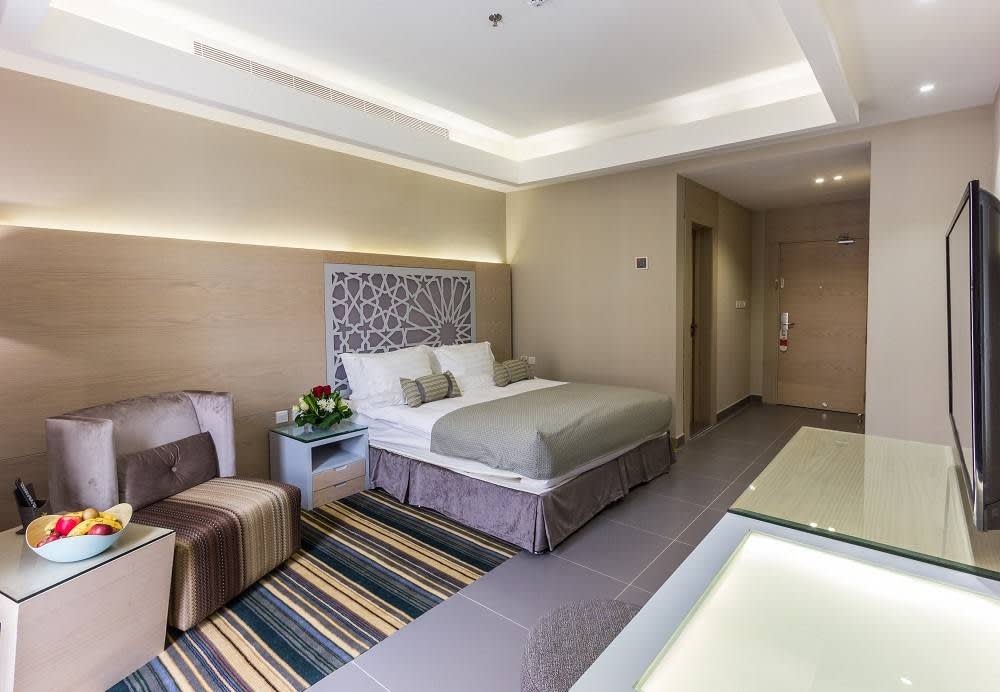
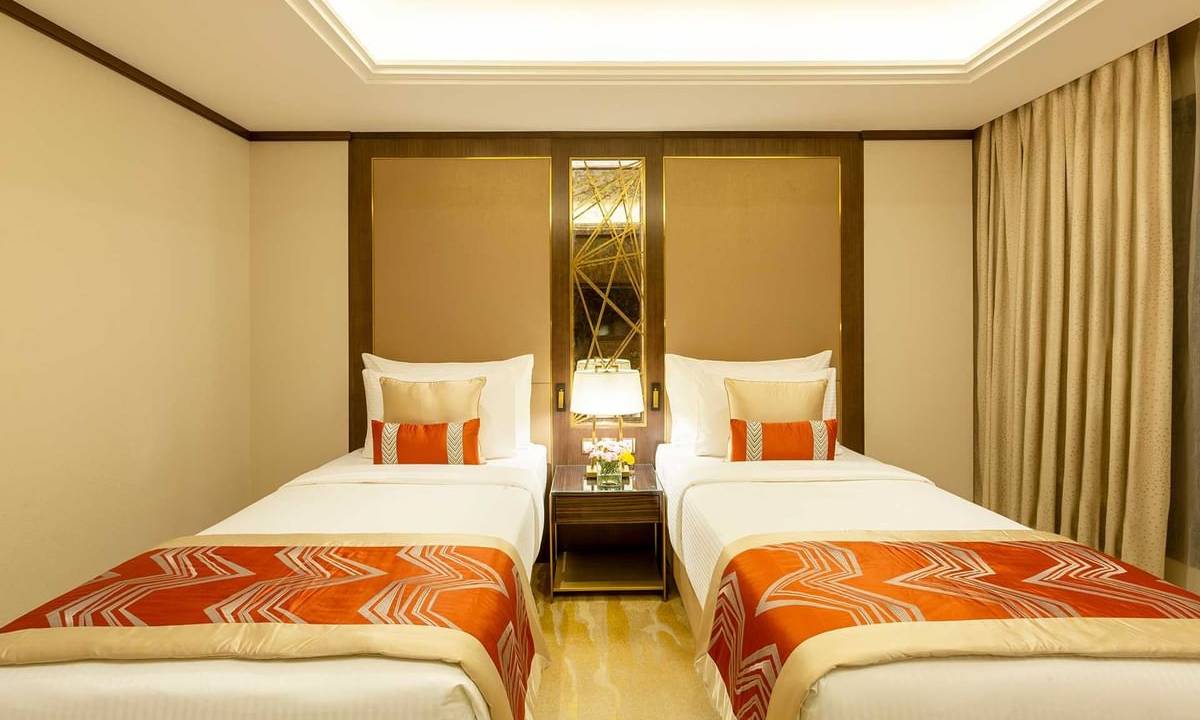
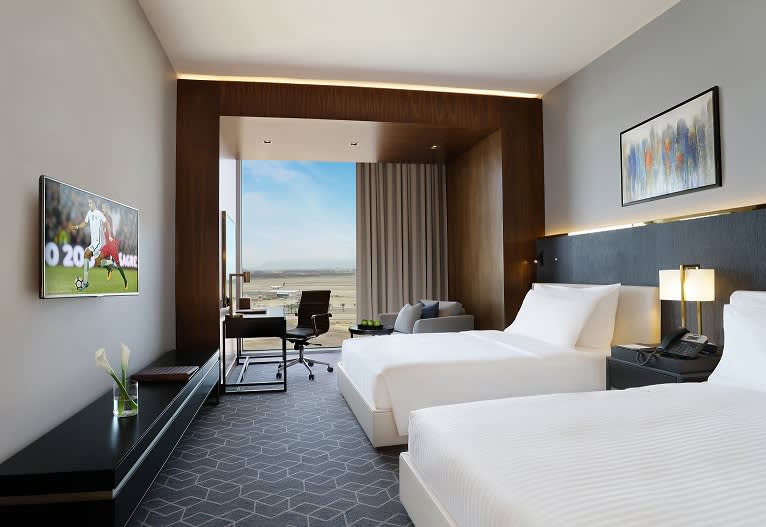
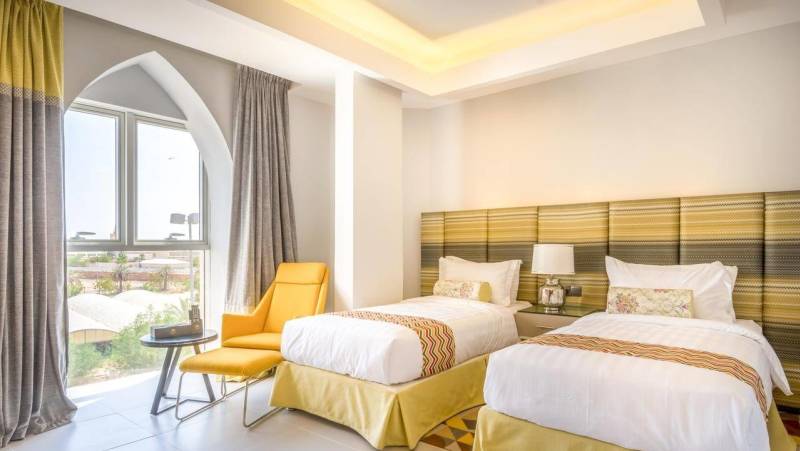
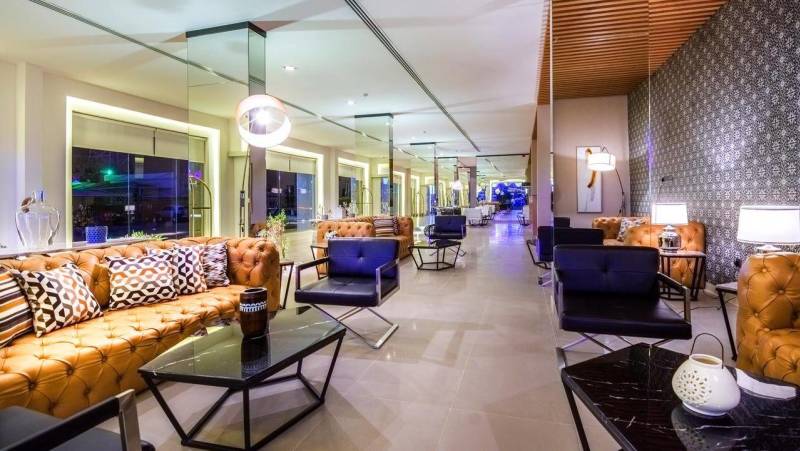
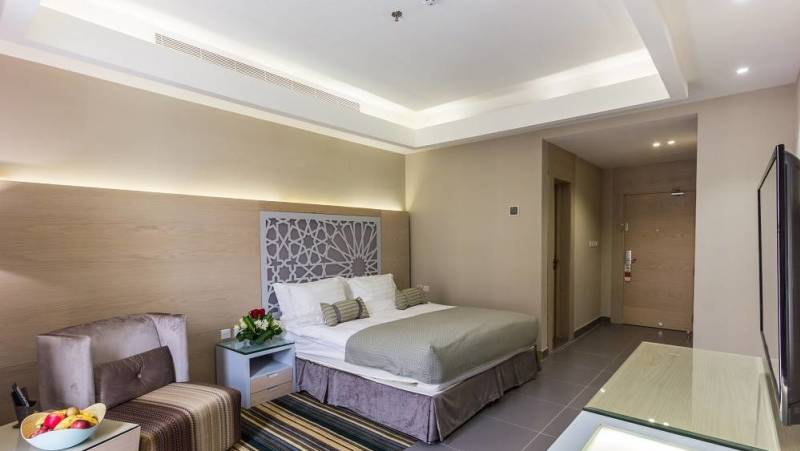
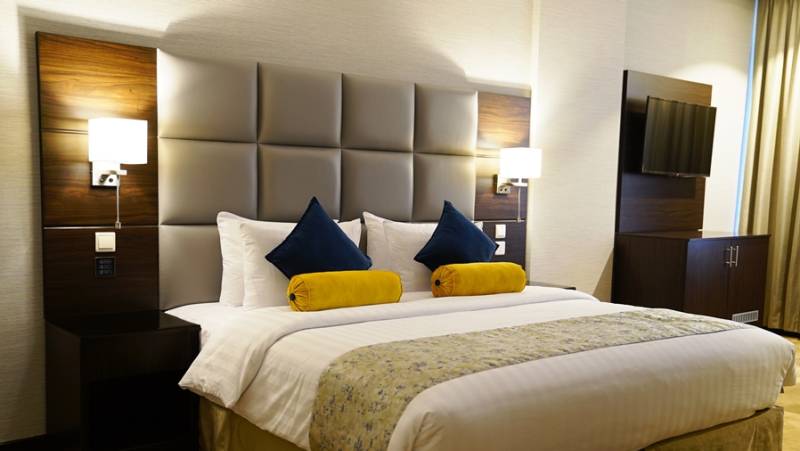
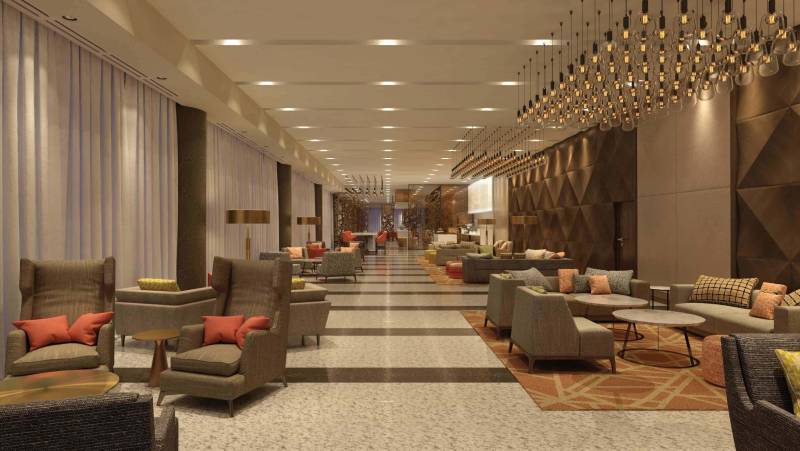
Accommodation: The hotels we use are of a mid-level standard and mostly modern, providing reasonable comfort. There are two nights at a farm stay, which is more rustic, though still comfortable and rooms have private bathrooms. There is one night in a simple homestay in shared rooms with shared facilities. See accommodation section for more detail.
Understanding tourism in Saudi: Our style of adventure travel is extremely new to Saudi Arabia and tourism in general is new to the country. This is, of course, a key part of the appeal of this trip; however, it does mean the requirements of Western visitors are not always well understood, so service levels may not be what you are accustomed to. While we aim to visit everywhere mentioned in the itinerary, sites are occasionally closed with little or no notice and restoration work is common.
Transport: Depending on group size, travel is by bus or minibus. There are also two train journeys. Saudi trains are high speed, modern and generally reliable.
Rules and regulations: Change is taking place, but Saudi Arabia remains a deeply conservative country. Since 2019, unmarried foreign couples are permitted to share a hotel room. See our Trip Notes for information on dress codes both for men and women. Permission should always be sought before taking photos. The Visit Saudi website has more information on local laws and etiquette.
Following a review of all our trips we have categorised this trip as generally not suitable for persons of reduced mobility. However if you are a regular traveller on such trips, please contact customer services to discuss the trip and your personal condition.
Joining Instructions
Key information
Start point: Hotel in Riyadh Recommended arrival time: You can arrive at any time today. There will be a welcome briefing in the evening, but if you miss it the leader will update you separately Airport: Riyadh Airport (RUH)
Getting to the start hotel
The start hotel is approximately 35-45 minutes’ drive from the airport. We provide one group transfer from the airport to the hotel, which you can join at no extra cost, provided you can be at the airport before the transfer leaves. Speak to your sales representative for the transfer times or to arrange a private transfer.
If you would like further information on joining this trip, please speak to your sales representative.
Catching your return flight
There’s one group transfer to the airport, which you can join at no extra cost. Please speak to your sales representative for the time of the transfer. If the group transfer does not suit your flight time, speak to your sales representative to arrange an alternative.
Full joining instructions including local emergency numbers will be sent to you as part of our Final Joining Instructions. If you do not receive these at least a week before departure, or require them earlier please contact our office or your travel agent.
Location start: Riyadh Location end: Abha
Vaccinations and Health
A yellow fever-vaccination certificate is required if you are arriving from, or have recently visited, a country where there is risk of transmission of yellow fever.
Passport
All nationalities require a full passport that must be valid for six months beyond your date of arrival in Saudi Arabia. It is your responsibility to have the correct personal documents and to obtain your own visa, if one is necessary, in accordance with the regulations of the country you are to visit.
Visa
Visas or electronic visa waivers are required to visit Saudi Arabia.
Travellers from 49 countries can now obtain an eVisa online or on arrival, including those from the UK, US, Canada, Australia and New Zealand. Further information is available here: https://www.visitsaudi.com/en/plan-your-trip/visa-regulations . The eVisa is typically processed with 24 hours, often quicker. An eVisa costs 535 Saudi riyals (US$145).
The electronic visa waiver scheme is relatively new and can be applied for online, at 90 days to 48 hours before arrival (cannot be obtained on arrival). See “Other” section here: https://ksavisa.sa/explore-visa-options. The visa waiver costs 150 SAR (US$40). The visa waiver is typically processed within 24 hours, often quicker.
Food & Drink
Saudi food often features rice and meat. Lunch is traditionally the main meal of the day. Kabsa is considered the national dish, it consists of richly spiced rice with chicken, meat or fish and is often accompanied by a salsa or salad. Meat stews are a common lunch or dinner. Breakfasts in Saudi Arabia are often quite simple and usually feature coffee and dates.
Fresh juices such as mango, orange and hibiscus are popular, as are juice-based cocktails, qahwa (a green coffee bean and cardamon-based drink often served with dates) and tea are common too. Alcohol and pork are strictly prohibited in Saudi Arabia, do not bring either into the country. Please advise at time of booking if you have any dietary requirements.
Weather
Our trip covers a lot of the country and the climate varies between regions. That said, Saudi Arabia has a dry desert climate in most areas and temperatures are high in August. In the mountains of the south (Al Bahah), there is more rainfall and things are greener. We will view the eclipse on the Red Sea coast where there is a good chance of clear skies.
Hotels, farm stay and homestay
On this cultural adventure in Saudi Arabia, we spend nine nights in hotels, two nights in bell tents on a farm and one night in a homestay.
The accommodations typically used are on the day-to-day itinerary. However, below are a few of the notable places we stay on this trip.
AlUla: Al Mazham Farm (nights 5-6)
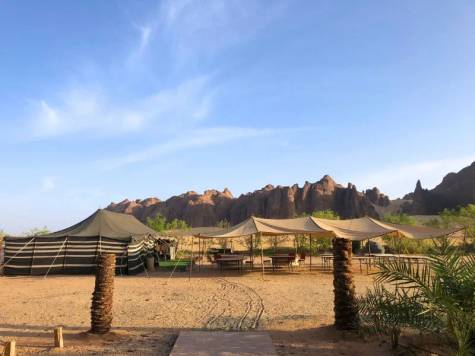
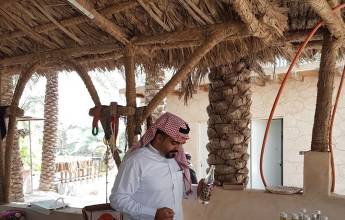
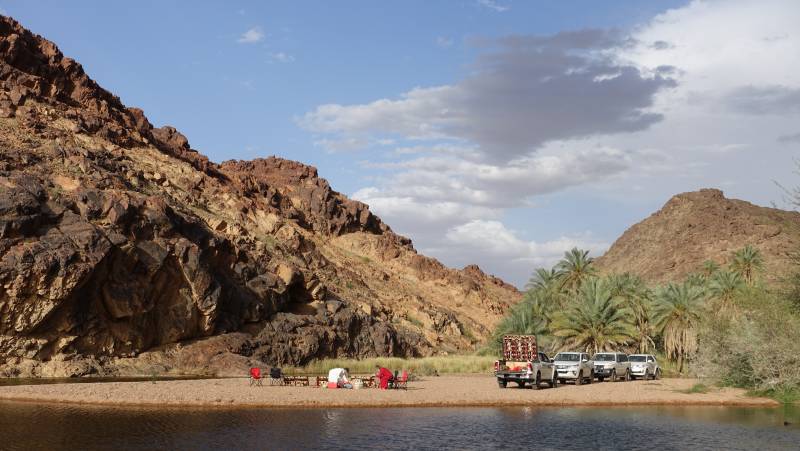
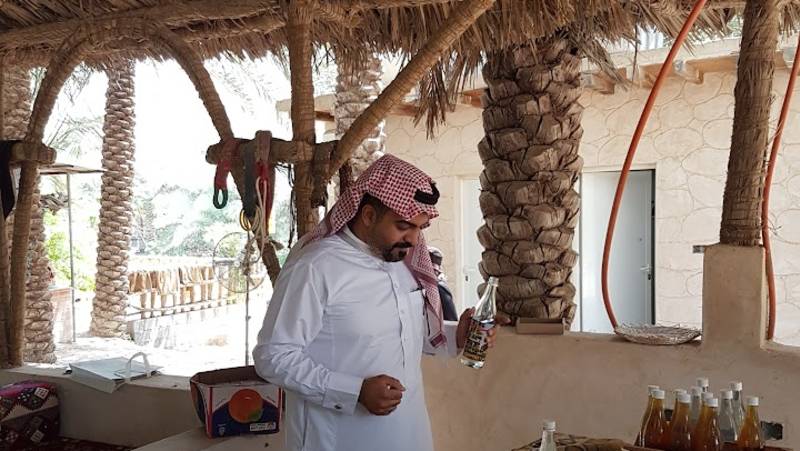
Spend two nights sleeping in bell tents on a working farm of palm trees, dates and oranges, which sits against the rocky backdrop of Sharaan Nature Reserve. Breakfast is simple but tasty, featuring regional specialties such as foul galaba (Yemeni foul) and kebda, plus omelettes with fresh bread, served with coffee and tea. Feel free to stroll around the farm, learning about the agricultural practices of Saudi Arabia from the English-speaking owner or staff (if available).
Al Shaaf: Homestay (night 11)
Enjoy traditional Saudi hospitality with a night in a family home. We arrive on foot, walking through a picturesque valley, while exploring the village and its agricultural landscape. The host greets you with traditional tea and stays with you until dinner to discuss the local culture and daily life. You’re also welcome to explore the village, visit a small cultural museum nearby, or enjoy the sunset from a cliff near the house. Dinner and breakfast feature home-cooked Asir meals served in the traditional manner on the floor.
Worth knowing
It is not possible to arrange a private room and single supplements for the homestay on night 11. Depending on numbers, the group may be distributed across more than one homestay, all are within a short walk of each other.
Reviews
This trip has not yet been reviewed, be the first to add a review.