


This was a fantastic trip with a great variety of hikes, balanced nicely by a handful of slower-paced cultural and wildlife experiences throughout the week. The Carpathian Mountains are absolutely beautiful and still feel untouched compared to many of Europe’s more famous hiking destinations. The scenery is stunning, the villages are charming, and the whole region feels authentic and welcoming.
India Wildlife Holidays
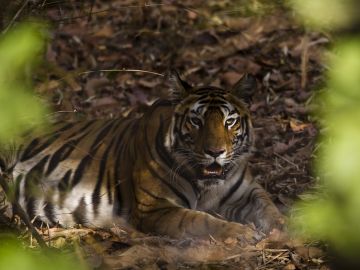
Our Best Tiger Safari India
Top 5 Safari Destinations in India
1. Bandhavgarh National Park
This wildlife sanctuary in the state of Madhya Pradesh boasts the highest density of tigers in Asia, with more than 50 animals spread out over more than 60 square miles. The park also offers wildlife lovers a chance to spot a host of other species, including chital deer, wild boar, nilgai antelope, Indian bison, wild dog, leopard, blue bull, Indian fox and bear.
2. Kahna National Park
Another Madhya Pradesh park, Kanha famously provided inspiration for The Jungle Book. Established in 1955 and covering 750 square miles, the picturesque park’s wide open meadows offer scenic sightings of a diverse array of wildlife, including tigers, leopards, common langurs, striped hyenas, pangolins, and an endangered deer species called the hard-ground barasingha, another great conservation story that you won’t find anywhere else.
3. Ranthambore National Park
One of India’s largest national parks (828 square miles), Ranthambore is a favorite among photographers due to the fact that you can find tigers, leopards, and ancient ruins of a fort where the animals are often spotted. The Park also has three lakes where wildlife congregates, including sloth bears, hyenas, Indian foxes, jackals and crocodiles.
4. Ladakh
Our safari takes you on an incredible adventure through the peaks of Ladakh as you go in search of the snow leopard. The rugged terrain and pristine landscapes of Ladakh provide the perfect backdrop for this once-in-a-lifetime experience. As you embark on this trek, you’re enveloped by the raw beauty of the Himalaya, enhancing the sense of adventure and excitement. Spotting a snow leopard and other wildlife prowling through the wilderness is a breathtaking moment that will stay with you forever.
5. Pench National Park
A tiger safari in Pench National Park takes you on a thrilling and immersive adventure in the heart of nature. As you trek through the lush forests and sprawling grasslands, look out for the majestic Bengal tigers in their natural habitat. The wild beauty of the park, coupled with the chance to witness these magnificent creatures up close, makes for an unforgettable experience. Led by our knowledgeable guides, you’ll learn about the importance of tiger conservation and the delicate ecosystem of the park where these endangered species are protected in the wild.
Shaelene Chapman Carpathian Walking & Bears
Gemma Jones Essential Kruger SafariWhat an incredible experience from start to finish! This trip exceeded all our expectations.
Frank was an fantastic guide who made the whole trip run seamlessly, alongside incredible local wildlife experts who knew exactly where to go to give us the most extraordinary wildlife encounters. There are plenty of game drives at different times of the day, so we had plenty of opportunities to see different animals and experience the bush in different ways.
The accommodation was fantastic, full of character and incredibly comfortable with all our group’s rooms having a terrace out to the pool. And the food provided was delicious – with plenty of it!
Another real highlight was the Panorama Route, which completely took us by surprise. The scenery was breathtaking and added another incredible dimension to the trip.
Planning Your Safari Trip to India?
Where are the best places to go on a tiger safari in India?
India boasts several national parks and wildlife reserves known for their thriving tiger populations. Some of the top destinations for tiger safaris include Ranthambore National Park in Rajasthan, Bandhavgarh National Park in Madhya Pradesh and Kanha National Park in Madhya Pradesh. Each of these reserves provides a unique experience and great chances of spotting tigers in their natural habitat. Ranthambore is a particularly spectacular park, not just for tiger sightings but for its ancient fort and beautiful landscapes that create a stunning backdrop for game drives.
How can I increase my chances of spotting a tiger on safari?
To increase your chances of spotting a tiger on safari, several strategies can be used. Choose a safari location known for tiger sightings, such as Ranthambore National Park or Bandhavgarh National Park. Opt for early morning or late afternoon safaris when tigers are most active. Listen to your guide’s advice and be patient, as tiger sightings can be unpredictable. Wear appropriate clothing in earthy tones to blend in with the surroundings, keep noise to a minimum and stay alert for signs of tiger presence, such as alarm calls from other animals. By following these tips, you can enhance your chances of encountering these fabulous creatures in the wild.
What other wildlife will I see on a tiger safari?
As well as spotting tigers on a safari in India, there is a diverse array of wildlife that you might encounter. India’s national parks and reserves are home to a variety of animals such as leopards, elephants, sloth bears, Indian bison and several species of deer including sambar and spotted deer. Bird lovers will be in their element spotting colorful avian species like peafowl, kingfishers and birds of prey. The lush jungles of India also house other creatures like monkeys, wild boars and reptiles.
How long do I need for an Indian tiger safari?
Our tiger safaris are all approximately two weeks in length, allowing for plenty of time to fully appreciate the beauty and majesty of these magnificent creatures. This duration allows for multiple safaris across different areas within popular national parks like Ranthambore, Bandhavgarh, Kanha and Pench, increasing your chances of spotting these elusive cats in their natural habitat. Spending a few days in the wilderness allows you to observe various behaviors and interactions of tigers, which will enhance your wildlife experience.
What should I pack for a safari in India?
When packing for a safari in India, you’ll want light and practical clothing suitable for the prevailing weather conditions. Don’t forget to bring layers for cooler mornings and evenings. Sturdy walking shoes are crucial for exploring the terrain, along with a sun hat and sunglasses for protection. Other essentials include breathable and neutral-coloured clothing, insect repellent, sunscreen, a reusable water bottle, a camera with extra batteries and a pair of binoculars for spotting wildlife.
What is the best time of year to go on a tiger safari in India?
The best time for India tiger safaris is typically during the dry season, which spans from October to March. During this period, the vegetation is sparse, making it easier to spot the tigers in their natural habitat. The cooler temperatures also increase tiger activity, making them more likely to roam in search of prey. Also, the months of February and March are ideal as the water sources start to dry up, leading tigers to congregate around remaining waterholes, providing excellent viewing opportunities.
Is it safe to go on a tiger safari in India?
While wildlife safaris are generally safe when conducted by experienced and responsible guides, there are inherent risks involved. Tigers are wild animals, and their behavior can be unpredictable. However, all our safaris adhere to strict safety protocols to ensure the well-being of both visitors and animals. You are advised to follow guidelines, maintain a safe distance from the tigers, and respect their environment. With proper precautions, expert guides and awareness, going on a tiger safari in India is a safe experience.

Become an Exodus insider
Get insider tips, travel inspiration, and exclusive offers you won’t find anywhere else – sign up now!