Shape your adventure: With Extensions, every beginning and ending is yours to create. Learn More.      

CALL: 0800 643 997

Ask a Question

hero-image

Cultural Holidays in Turkey

Turkey Culture Holidays

Top 5 Places to Explore on Cultural Holidays in Turkey

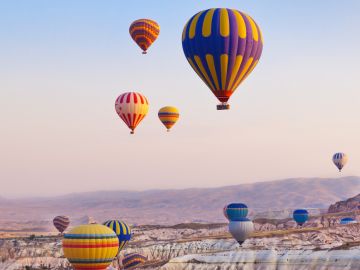
Cappadocia: One of the most bizarre and spectacular landscapes in the world, Cappadocia is like nowhere else on earth. Its giant rock pillars form a distinctive skyline that is often described as a fairytale setting by anyone that visits. Found among central Turkey’s hilly landscape, these geological wonders are known as the ‘fairy chimneys’. One of the most beautiful sights you’ll see are colourful hot air balloons floating across the sky with visitors wanting to gain a bird’s-eye perspective of Cappadocia.

Goreme Open-Air Museum: Listed as a UNESCO World Heritage Site, Goreme Open-Air Museum is one of the most incredible places to discover the culture in Turkey. It’s believed to be a monastic settlement dating back to Byzantine times, later becoming an important pilgrimage site. The museum has been meticulously preserved throughout the centuries and you can see wonderful examples of Byzantine architecture and artwork that pepper the landscape. Wander around rock-hewn churches, monasteries and chapels where fabulous frescoes give you an insight into the history and culture of Goreme. The Dark Church and the Chapel of St Basil are particularly interesting buildings to explore when you visit Goreme.

Ephesus: This ancient site is located in the Central Aegean region of Turkey and is one of the finest classical cities you’ll see in the Mediterranean. The well-preserved remains of Ephesus include Greco-Roman architecture, ancient squares and magnificent monuments. Ephesus was first discovered in the 11th-century BCE by the Ionian Greeks and was deemed a significant religious site. Originally built in honour of Artemis, the temple of Ephesus would later become the Temple of Diana, which is one of the Seven Wonders of the Ancient World. As you explore the marble paved streets, step back in time and walk in the footsteps of Mark Antony and Cleopatra.

Pergamon: Rising above Tukey’s Aegean region in southwestern Europe, the UNESCO World Heritage Site of Pergamon is a Greek city home to ancient temples, theatres and monuments protected by the city walls. This fascinating site was once the capital of the Hellenistic Attalid dynasty and dates to circa 323 to 31 BCE. A cable car ride takes you up to the Acropolis of Pergamon where some of the most significant archaeological remains and burial mounds can be found. Roam around the temples, library and palaces and discover the history of the Roman, Ottoman and Byzantine empires of Turkey.

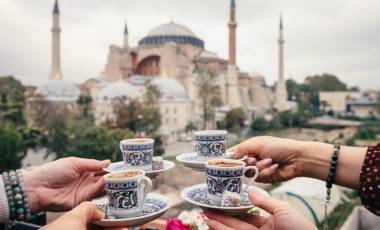
Istanbul:  One of the most unique and fascinating cities in western Europe, Istanbul is a heady concoction of cultures from the East and West. This alluring capital of Turkey flaunts imposing mosques, basilicas and palaces among its frenetic streets and the sound of bustling bazaars fills the air. There are so many sites to explore in Istanbul that it’s hard to know where to start but the Hagia Sophia, Topkapi Palace and the Blue Mosque should be top of your list. If you need a little respite from the hustle and bustle of the city, head to Gülhane Park, a beautiful green space next to the palace.

Itinerary

The trip was really great–I loved the diversity of going to smaller, traditional places as well as the modern cities. There were times when I thought we would have more free time than we did–Kyoto (tour activities ended at approx. 3:30), Kobe (arrived 1 hr before the gardens closed so didn’t go), and Hiroshima (tour activities ended at approx 4 pm). I loved all of the places that we went too–in retrospect I would have added additional days in Kyoto (I arrived a day in advance) and benefitted greatly from my flight home being delayed giving me a full extra day in Toyko that I hadn’t planned for. The tour is very fast pace and you do walk alot–so just bring a really good pair of running shoes with you!

Hotels

All were good–my favourite was Hotel Toyko in Takayama. I rented a private onsen for an hour which was very nice and enjoyed the unique art they had on each floor. I really appreciated the washer/dryer in the hotel room–while I had enough clothes it was nice to wash them and be able to go out for dinner at the same time and not feel in a rush to get back to the room (it was free and they did provide soap if you don’t have any). The hotels in Kyoto and Tokyo were nice as well–the first modern and the last traditional. All of the hotels were really clean, provided great breakfasts, and had toiletries if you forget any (and if you wanted pjs to wear).

Transportation

The bullet trains were very cool as were all of the trains. They are very prompt! The subway system is easy to manoever–I used Google Maps to tell me what stop to get off and where to walk and never got lost (even in Toyko). The trains are very quiet and clean–getting onto and off public transit is done in lines so there never is a rush and in most cases the train/subway cars were empty. The bus system in Kyoto makes getting between places slow so factor that in. Also, the connection from Osaka to Kyoto was pretty easy to do but made harder with getting off a transatlantic flight. Doing this again, I would fly direct into Tokyo and then get to Kyoto the next day. Felt very safe and comfortable walking around by myself–even in the evening. The locals are very helpful if you want to confirm directions.

Food
I am normally a very fussy eater and I didn’t have a problem finding things to eat. In fact, I wish I had more time in Kyoto in the traditional area to have some of the different food options the shops offered. I also didn’t have time to get a hot drink from a dispensing machine! I found breakfast made me full and then we would go somewhere at dinner that would fill me up (I often had noodle dishes). I would have been ok finding my own dinner in Takayama instead of group meals–the different styles of eating were good to experience. While I liked going out to eat with the group, it was tough having to have the bill together–it would have been easier to be able to pay for my own food.

julie hannah Ancient & Modern Japan

We went there in December, just after the country suffered severe cyclone and flooding. Very nice hotels, plenty of food (maybe too much), and well looked after by the team. Nice relaxing pace of cycling. Plenty of interesting places to see on the way.
We made a Youtube video to share our experience: https://youtu.be/N06BHdyCL00?si=VRTgl8lFxGbMP4uA

Xiaolin WU Cycle the Back Roads of Sri Lanka

When is the best time to visit Turkey?

The best time to visit Turkey is during the spring (from April to June) and autumn (from September to November) when the weather is pleasant, and the tourist crowds are fewer. However, each season offers unique experiences, so choose the time that aligns with your interests. In spring and autumn, the weather is mild in Turkey, and it is the perfect time for sightseeing and outdoor activities. The main sites are also less crowded compared to the summer months. Experiencing the cultural festivals and events that take place in Turkey during these seasons can provide a deeper insight into the country’s traditions and heritage.

What are the best places to see in Turkey?

Turkey is filled with history, culture, natural beauty and a wealth of fascinating sites to explore. One of the best places to visit in Turkey is Istanbul, the vibrant metropolis that straddles two continents with its intriguing blend of east and west. The spectacular natural wonders of Cappadocia with its unique rock formations and hot air balloon rides are another must-see. Discover the sprawling white terraces of thermal waters at Pamukkale and visit the ancient ruins of Ephesus and Hierapolis, which give you a glimpse into Turkey’s past. Whether you’re a beach or history lover, the picturesque coastal town of Antalya is worth a trip.

FAQs on Turkey Cultural Holidays

Do I need a visa to travel to Turkey?

The visa requirements to Turkey vary depending on your nationality and the purpose of your visit. If you are travelling from most EU states, Canada, the UK and US, you wouldn’t usually require a visa to enter Turkey. However, it is essential to check the latest visa requirements and regulations before planning your trip to Turkey to ensure a smooth and hassle-free entry into the country. You should check official government websites, the nearest consulate or embassy for accurate and up-to-date information on visa requirements.

Is Turkey safe for tourists?

Turkey is generally a safe destination for tourists, with its rich history, diverse culture and beautiful landscapes. However, like many other countries, it is important to be aware of your surroundings and respect local customs and traditions. Stay informed about current events and be cautious in crowded areas where there may be a chance of pickpocketing. Follow the advice of local authorities and take safety measures when necessary while exploring the country.

What kind of food is eaten in Turkey?

The dishes of Turkey are renowned for their rich flavours and diverse influences from Mediterranean, Middle Eastern and Central Asian cuisines. Turkish cuisine is characterised by a wide variety of dishes, including kebabs, mezes and sweet pastries. Popular ingredients include lamb, eggplant, tomatoes and spices like cumin, red pepper and mint. Traditional Turkish meals often feature a mouthwatering spread of dishes, which encourages communal dining and sharing. Baklava, a sweet pastry made of layers of filo dough, nuts and syrup, is one of the most popular desserts.

What should I wear in Turkey?

While there are no strict laws for how you should dress in Turkey, there are certain customs and expectations that locals and visitors are encouraged to follow. One of the key factors influencing the dress in Turkey is the country’s predominantly Muslim population. Modesty is highly valued, and both men and women are expected to dress conservatively in public places, especially in more traditional and rural areas. For women, this typically means covering their shoulders, cleavage and knees, while men are expected to avoid wearing shorts in certain settings.

In major cities like Istanbul and Ankara, where Western influences are more prominent, clothing tends to be more relaxed. However, even in urban areas, it’s advisable to dress modestly when visiting religious sites such as mosques. It’s also common practice for women to carry a scarf or shawl to cover their heads when entering places of worship as a sign of respect.

What are Turkey’s best ancient sites?

Turkey is home to several remarkable ancient sites that introduce you to the country’s history and culture. One of the most impressive sites is Ephesus, an ancient Greek city famous for its well-preserved ruins, including the Library of Celsus and the Temple of Artemis. Another iconic site is Hierapolis-Pamukkale, home to terraced hot springs and ancient ruins. The city of Troy, with its legendary Trojan Horse and archaeological excavations, is another site we highly recommend visiting when seeking your fix of history and culture in Turkey.

Cultural Holidays in Turkey