Everyone Thinks They Know Tuscany… Until They Visit Garfagnana

Before this trip, I thought I knew Tuscany.
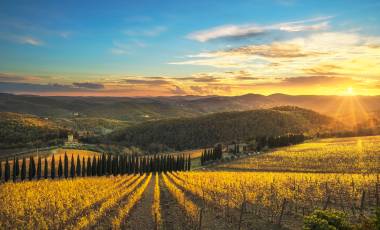
I’d visited the south of the region years earlier and remembered its beauty: rolling vineyards, cypress-lined roads, honey-colored stone villages and gentle hills disappearing into the distance.
So, when I joined Walking Northern Tuscany last June, one of the hiking tours in Italy run by Exodus, I assumed I had a pretty good idea of what was waiting for me.
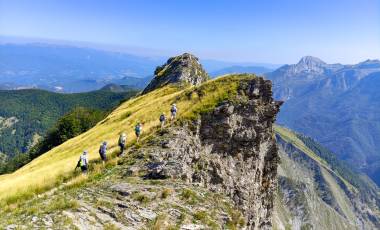
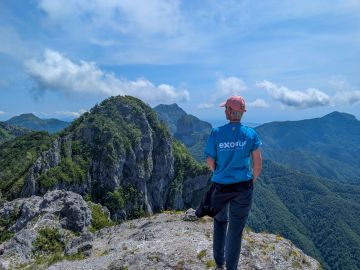
But reaching the summit of Pania di Corfino in Orecchiella National Park on our first walk, I realized this was a completely different side of Tuscany.
Instead of postcard-perfect countryside, I saw dramatic mountain ranges, wildflower-covered trails and panoramic views stretching as far as I could see. It felt far more rugged and remote than the Tuscany you imagine, and that’s exactly what made it so special.

The Garfagnana region, tucked between the Apuan Alps and the Apennine Mountains in northern Tuscany, feels wonderfully untouched.
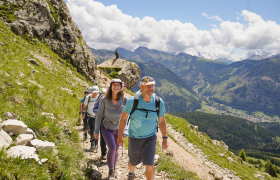
Throughout the week, we walked quiet mountain trails where we’d encounter only a handful of other hikers, most of them Italian. Some days felt almost wild, with nothing but birdsong, trickling streams and the sound of wind moving across the ridges around us.
A huge part of what made the week so enjoyable was our Exodus tour leader, Sara Bull. An incredibly experienced hiking guide who knows this region inside out, Sara guided us confidently through every walk while sharing tips on hiking technique, equipment and the landscape around us. Whether we were tackling steep climbs or navigating rocky descents, she had a calm, encouraging way of making everyone feel capable and confident.

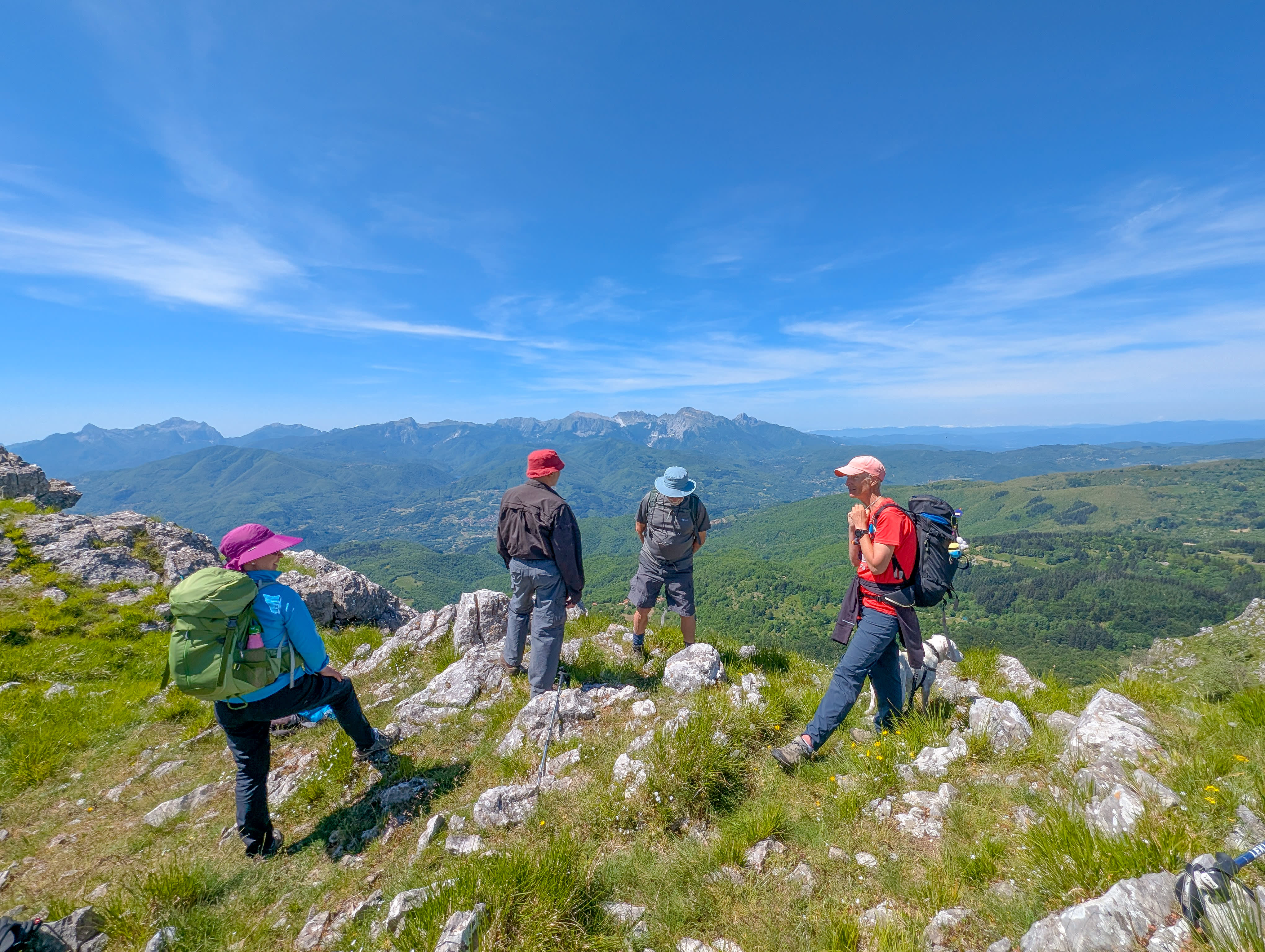
As Sara puts it, Garfagnana isn’t simply somewhere you visit – “it’s a feel”. It’s “a feel you get when you are completely immersed in nature, listening to the skylarks on a warm, hazy day atop a rugged mountain, surrounded by endless panoramic views of raw beauty.”
It’s a description that perfectly captures what it’s like to walk here. The scenery is spectacular, but it’s the tranquility and remoteness that stay with you. Each day we saw a different side to the region through the variety of walks.
In the mornings, we’d climb through dense forests before emerging onto ridges with views for miles. Some afternoons were blessed with glorious sunshine and clear views, while on others the clouds rolled in just as we reached the summit, creating a moody, atmospheric landscape that was every bit as memorable.
For Sara, that’s exactly what makes guiding here so rewarding.
“You can walk through lush beech forests leading right up to mountain peaks and often be the only people out on the trail. The diversity of the landscape keeps every week incredibly exciting; no two walks are ever the same.”
“You can walk through lush beech forests leading right up to mountain peaks and often be the only people out on the trail. ”
One of the standout moments of the trip was hiking to Monte Forato, the mountain famous for its enormous natural rock arch. The climb itself was steep in places and felt challenging in the heat, but that only made reaching the top even more rewarding.
Standing beneath the vast arch with views in every direction felt like one of those moments that reminds you why you travel in the first place. It was rugged and adventurous. Our group had worked hard to get there, and there was a shared sense of achievement as we stopped to rest our legs and take it all in.

Book the trip:

Walking Northern Tuscany
Walk through Italy across Tuscany's idyllic mountains
Another unforgettable moment came near the summit of Monte Sumbra. As we paused to admire the view, a large herd of chamois appeared across the ridge ahead of us, leaping effortlessly between the rocks. Watching them move across the landscape in total silence was one of those moments that stays with you. It perfectly captured the wildness of this part of northern Tuscany.

Every day brought small rituals that quickly became part of the rhythm of the trip: stopping at local cafes for a cold beer or gelato after a long hike, sharing stories, and laughing together during the minibus rides home, accompanied by enthusiastic renditions of Beatles classics like Love Me Do to keep spirits high.
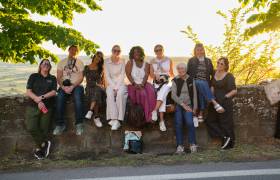
Our group ranged from people in their mid-40s to their 70s, with everyone sharing the same love of being out in the mountains. Sara played a huge role in bringing the group together, creating an atmosphere that felt supportive, relaxed and fun from the beginning. There’s something about exploring a region on foot that allows you to connect in a completely different way, and very quickly we were a group of friends.
The atmosphere back at our accommodation, Agriturismo Braccicorti, became just as much a part of the experience. We were warmly welcomed into the home of an Italian family for the week.
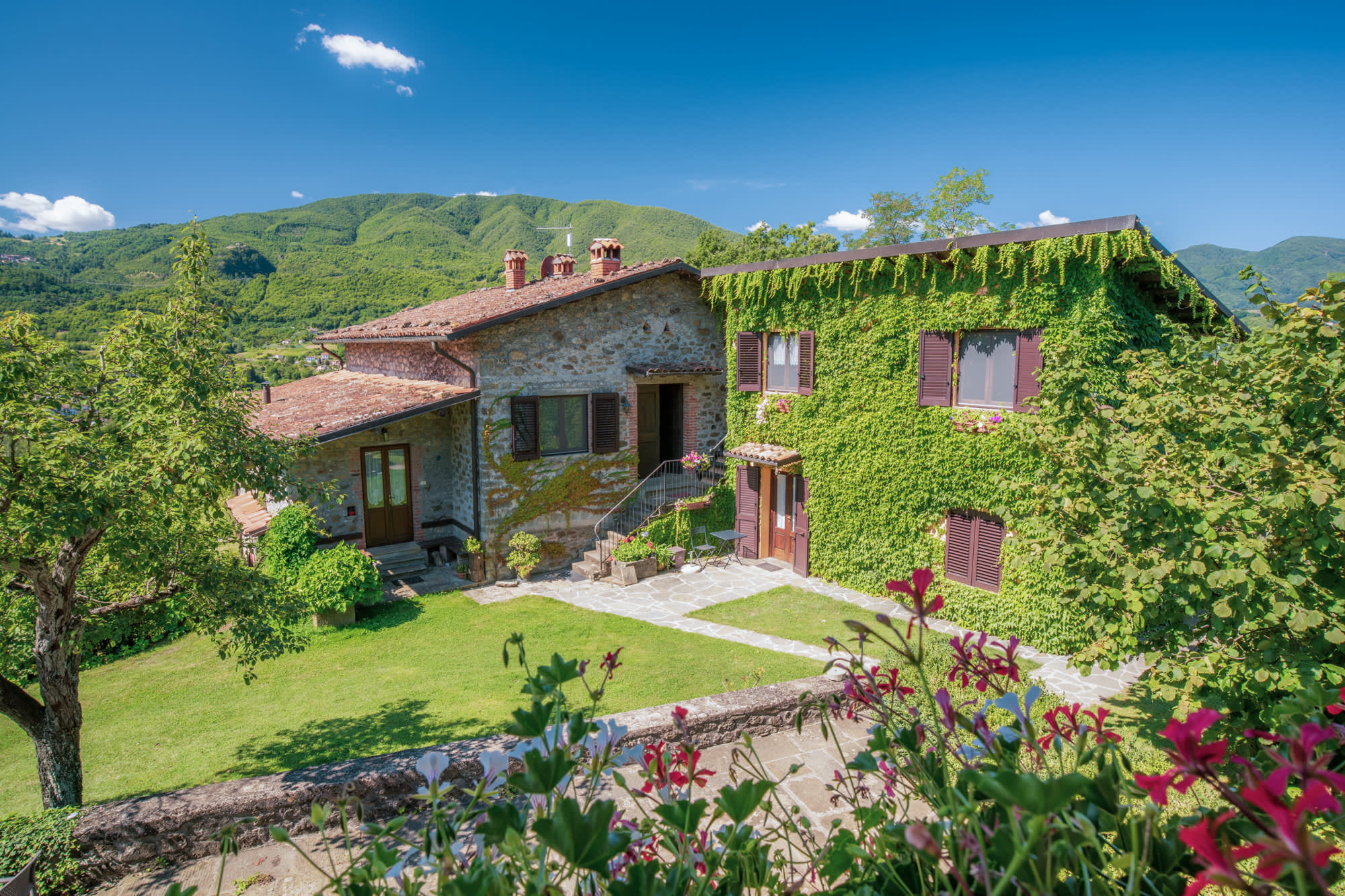

After long days in the mountains, we’d gather for generous three-course meals, local wine and aperitifs while the evening light faded across the hillside. At night, sitting outside after dinner, we watched fireflies flickering through the gardens around Braccicorti. It was completely peaceful, the kind of simple moment that you treasure.
Across the week, we were introduced to Garfagnana specialties, made using ancient grains and traditional recipes that reflect the area’s strong culinary heritage. The food here felt very different to the more Mediterranean flavors often associated with southern Tuscany, with mountain ingredients shaping many of the dishes. Chestnut flour was used to make breads and cakes, while farro appeared in hearty soups that felt perfectly suited to long days spent hiking.


Sara believes you can only truly appreciate Garfagnana by understanding its roots.
“Local traditions are incredibly important to the community’s identity,” she says. “You see it in the seasonal rhythms: moving livestock to the mountain pastures, the chestnut harvest, the cultivation of farro, the grape harvest, and the making of pecorino cheese, alongside the gathering of truffles and mushrooms.
“The local festivals celebrating and re-enacting these ancient ways are deeply cherished. There’s a fierce desire to ‘not forget’ those who came before and to keep these traditions alive.” It’s this enduring connection to the land and its heritage that gives Garfagnana its distinctive character.

It’s this enduring connection to the land and its heritage that gives Garfagnana its distinctive character.
What stayed with me most was how different this trip felt from the Tuscany I thought I knew. Far from the busy piazzas and polished towns, Garfagnana revealed a quieter, more rugged side of Tuscany that felt authentic and peaceful – a great destination to discover on foot.
After a week of challenging hikes, long days in the mountains and probably the highest step count I’ll achieve all year, I came away with a real appreciation for slowing down and properly immersing yourself in a landscape rather than simply passing through it.
And as I packed away my hiking boots at the end of the trip, I was already wondering where I’d lace them up next.