
Walking the Mountains and Villages of Evia’. ✨I found the tour charming and well organized, particularly due to the efforts of our guide, Thanos. The scenery was inspiring, as was the mix of history and nature served up by our fine guide. I knew I was in for something special when Thanos began plucking pomegranates along the path, breaking and sharing them with each traveler. For me our hikes were occasionally challenging, but in a very good way where I felt accomplished at the end of each day. Our hotel had everything we needed; clean, comfortable, well located and with beautiful bay views. The hotel staff and restaurant service were uniformly friendly and helpful, as was transportation timely and safe. I particularly enjoyed meeting and sharing the experiences with the other members of our small group. By day we enjoyed delightful local pastries and sandwiches. During the evenings we were lavished with appetizing meals and wines in the Karystos area. Our guide couldn’t have been more attentive to our individual needs. A vacation both adventurous and relaxing.
Ευχαριστώ
(Efcharistó)
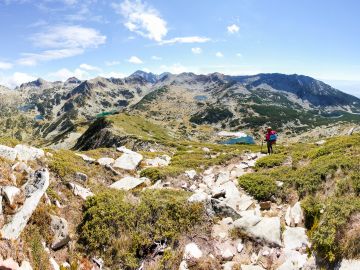
Bulgaria Walking Tours
Bulgaria Walking Tour
Top 5 Animals to Spot on Bulgaria Walking Trips
Brown Bears: Found roaming the forests and mountains, it’s estimated there are 700 brown bears in Bulgaria, with the majority of the population in the Central Balkans and Central Rhodope. The bear is one of the most iconic and captivating of Bulgaria’s animals and there are ongoing conservation projects to protect it. As you walk along ancient forest trails, there’s a chance you’ll see evidence of bear activity such as their tracks on the ground and where they’ve scratched at trees.
Griffon Vultures: While there are several species of vulture found in Bulgaria, the Griffon vulture is arguably the most impressive. Following near extinction just decades ago, the population now continues to grow, with many of them found in the Rodopi Mountains. Its distinctive ruffled neck, finger-like wings and beautiful colourings make it easily recognisable. Griffon vultures feed on carcases and tend to hunt in groups high up in the mountains where you’ll see their nests tucked into cliffs and rocky outcrops. They start to mate in December and then build their nests in January where they’ll lay just one egg in March.
Wolf: The Rodopi Mountains are home to one of the greatest populations of wolf in Bulgaria and their diet consists mainly of hoofed mammals such as roe deer, red deer, wild boar and chamois. There are believed to be around 1,200 grey wolves living in the mountains of Bulgaria and while you might spot one on Bulgaria walking trips, they are extremely shy and will stay out of the way of humans. Highly fascinating creatures, wolves are known for their intelligence, and you’ll most likely see them roaming the forests and mountains between October and May.
Red Deer: Mostly found in the Rodopi Mountain forests and pastures, the red deer is one of the animals you’re likely to see on Bulgaria walking trips. You’ll also see many paintings of the deer inside ancient churches and monasteries. Rewilding teams have gone to great efforts to protect the animal and reintroduce them into the Rodopi Mountains. Autumn is the mating season and when you’re likely to see the males rut, which is a fabulous wildlife spectacle. Only the stags have antlers and they are the most distinctive feature of the red deer, measuring approximately 70cm.
European Bison: A relative of the North American bison, the European bison became extinct in the early 20th century, however, due to its reintroduction to Bulgaria in the 1960s and following huge conservation efforts, it can now be found in the Eastern Rhodopes. It is the largest surviving wild land animal in the continent and an adult male weighs between 400kg and 920kg. They typically feed on shrubs, trees and grass and play an integral role in the ecosystem of the forest.
Kathleen Porter Walking the Mountains & Villages of Evia
Susanne Maden Walking in SardiniaA week of walking around Sardinia and learning about the amazing history of the Nuragic people who lived in the area!
Adam Felgate Trekking the Camino de SantiagoAs an Exodus staff member, walking the Camino de Santiago with Exodus was an unforgettable experience and a truly rewarding journey from start to finish. Each day brought stunning scenery, from rolling countryside and charming villages to historic towns steeped in culture and tradition. The balance of physical challenge, personal achievement, and time to soak up the atmosphere made every stage of the trek special. Sharing the experience with a supportive group of fellow walkers and a knowledgeable local guide added to the sense of camaraderie along the route. Arriving in Santiago de Compostela after days of walking was an incredible moment, filled with pride, reflection, and a real sense of accomplishment. It was a fantastic adventure that combined breathtaking landscapes, rich history, and lasting memories in equal measure.

Become an Exodus insider
Get insider tips, travel inspiration, and exclusive offers you won’t find anywhere else – sign up now!