
This trip was more than a holiday. It really helped you get under the skin of Sri Lanka and it’s people. From visiting temples and monuments, catching a sight of the varied wildlife or experiencing lunch with a local family, this trip really had it all. Whilst it was a full-on, busy tour, I still felt relaxed and refreshed upon my return home, mainly due to the fact that everything in the tour had been so well organised and planned. A plan B was ready for when the trek deemed not possible due to the rain and Roshan our tour leader took everything in his stride and made the guiding of the trip seem effortless.

Winter Tours in Italy
Italy Winter Tours
Best 5 Places for Skiing in the Dolomites
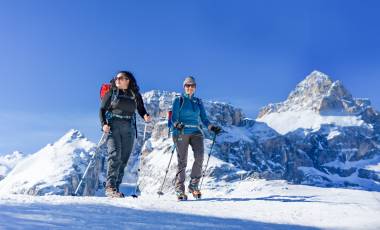
Sexten Valley: Making up Italy’s iconic Dolomites, the Sexten Dolomites is a fabulous region full of history and skiing trails that snake through the South Tyrol and north-eastern Italy. Nestled between the Sexten Dolomites and the Carnian Alps is the Sexten Valley, a wildly beautiful and nature-filled area that has become synonymous with skiing and mountain climbing. Alpine meadows and ancient pine trees create a romantic backdrop while the Tre Cime di Lavaredo, the Three Peaks of the Dolomites, are the main focal point.
Alta Badia: Arguably one of the most well know skiing regions in Italy in the heart of the South Tyrolean Dolomite Mountains, Alta Badia is a popular destination for winter holidays in Italy. Its gentler slopes of San Cassiano and Corvara are perfect for anyone that is new to skiing but still wants to explore the stunning scenery of the Dolomites. There’s a real sense of calm in the air which provides a relaxing atmosphere where you can develop your skills. But if you’re a seasoned skier, there are 130km of well-maintained slopes to explore.
Madonna di Campiglio: Affectionately known as the Pearl of the Dolomites, Madonna di Campiglio is a popular location for awinter activities in Italy. Skiing was introduced to the area in the early 20th century owing to its picturesque setting and alpine peaks that are hugged by the Dolomites and the Adamello Presanella range. With approximately 150km of slopes to explore, Campiglio is one of the largest ski areas in Italy. If you like a challenge, you can also trek along the Via Ferrate for some of the finest views in the world.
Villabassa: Enjoying a mild climate with plenty of sun and a dreamy position high up in the heart of the Dolomites, Villabassa is a much-loved destination for winter trips to Italy. This pretty spa village has become the starting point for skiing and winter walking along the Val Pusteria trail. But it’s not all about the skiing here, Villabassa also has a rich history and is home to several religious buildings such as St Anna Chapel and St Magdalene Church which houses a splendid Franz Kock organ.
San Cassiano: One of the prettiest alpine villages in the Dolomites, San Cassiano nestles at the foot of Continurines and Lavarela. In the winter months, adventure seekers travel here to ski down the famous Foram toboggan run, which stretches for over 7km from Lagazuoi. The Armentarola cross-country skiing centre also attracts the regular skiing crowd as it forms a part of the exceptional Dolomiti Nordic Ski. For some wonderful apres-ski, there’s a wide selection of restaurants and bars in the village where you can mingle with other skiers and walkers in the area.
Michelle Claxton Discover Sri Lanka
Lawrence Mastin Discover Mongolia – Naadam FestivalA good mix of temples and monasteries, natural wonders, traditional lifestyles, and everyday modern life.
The gers were fine, even the more basic ones, as were the hotels. It was good to have the option of en-suite bathrooms in some, which made things easier for my wife. Several other group members would have take up tthis option if they had known about it, although Duuree did well to arrange them on the fly.
The drivers were all good, some better than others obviously, and presented an interesting variety of characters and styles. Special shout-out to Oggi. The cars were comfortable recent-model Lamd Cruisers, not just “jeeps”, which is just as well because there is a LOT of driving.
Christine Beeton Discover Namibia – LodgesI absolutely loved every minute of that trip. I went in April and we got to see many different dramatic landscapes and amazing wildlife. Every evening we had clear details on what would happen the next day, departure and driving times, number of stops, and what to wear. Some drives looked long on paper but the landscapes were always interesting to watch and we never knew when wildlife would be visible.
The itinerary is well designed as we discovered landscapes and alternated days with short drives and multiple hikes and days with longer drives but plenty of stops on the way. Some mornings started relatively early but that is necessary to see wildlife and walk in the desert before it gets too hot.
The lodging ranged from absolutely fabulous (Damara Mopane Lodge and Otjiwa Safari Lodge for example) to painting peeling off the wall in Etosha National Park. Regardless, all were clean and quiet and being so close to the waterhole in Etosha was well worth the slightly less luxurious room.
The bus we used is especially well designed to travel on dirt roads and to see immense landscapes and wildlife. The provided extra cushions were welcome on bumpy roads and all seats had seatbelts. Once we got into Etosha, we opened the roof and (shoes off) would stand on seats to have a 360 degrees view. The front and side windows also open. That means everyone could see the wildlife from different angles with obstructing the view of others in the group.
I had high expectations when I booked that trip and I came home with all those expectations exceeded.

Become an Exodus insider
Get insider tips, travel inspiration, and exclusive offers you won’t find anywhere else – sign up now!