
Incredible immersion in the Japanese culture

Japan Walking Tours
Japan Walking Tours
Top 5 Things to do on Walking Holidays in Japan
Visit Kyoto’s Shinto shrine: Fushimi Inari Taisha is a renowned Shinto shrine located in Kyoto and is known for its striking red torii gates that form a mesmerising tunnel along the path to the mountaintop. This sacred site is dedicated to Inari, the Shinto god of rice and prosperity. Visitors come from far and wide to explore the serene forests, intricate architecture and stunning mountain views. The torii gates symbolise transition from the profane to the sacred, inviting contemplation and spiritual reflection. Fushimi Inari Taisha is a testament to Japan’s rich cultural heritage and offers a peaceful retreat amidst bustling Kyoto.
Drink tea at a traditional teahouse: Traditional Japanese tea houses, known as “chashitsu,” hold a special place in Japanese culture and history. These tranquil spaces are where the art of tea ceremony, or “chado,” is practiced with grace and precision. Characterised by simplicity and attention to detail, traditional tea houses are designed to create a peaceful environment for guests to relax and appreciate the beauty of nature. The architecture typically features tatami flooring, sliding doors and minimalistic decor, all contributing to a sense of calm. Immerse yourself in the ritual of tea preparation, savour the delicate flavour and enjoy a moment of contemplation and connection with others.
Take a scenic rail journey to Kiso Fukushima: Travelling by rail to Kiso Fukushima is a picturesque and relaxing journey through the Japanese countryside. As the train meanders through lush green landscapes and traditional villages, you’re treated to stunning views of rolling hills and in the spring, cherry blossom trees burst with colour. The clickety-clack of the train as it chugs along the tracks lets you relax to the rhythm and soak up the views. Along the way, glimpses of historic temples and quaint shops add to the thrill of this cultural experience.
Stay at an authentic ryokan: A Japanese ryokan is a traditional inn renowned for its unique and luxurious experience for travellers seeking relaxation and cultural immersion. Hot spring ryokans provide a tranquil retreat from the bustling city life, allowing you to unwind in natural mineral-rich waters while surrounded by stunning landscapes. The traditional architecture, tatami mat floors and warm hospitality create an authentic Japanese ambience that transport you to a bygone era. A stay in a ryokan often includes exquisite kaiseki cuisine, reflecting the local flavours and seasonal ingredients.
Climb up Tokyo Tower: Tokyo Tower is an iconic landmark and symbol of Japan’s vibrant capital city. Standing at 333 metres tall, it boasts staggering panoramic views of Tokyo’s skyline and Mount Fuji on clear days. Built in 1958, Tokyo Tower has become a popular tourist attraction and a significant cultural symbol. Its orange and white design reflects a blend of traditional Japanese architecture with modern technology. Inside, you can enjoy shopping and dining, and there’s even a museum in the tower. Whether illuminated against the night sky or standing tall during the day, Tokyo Tower is a must-visit destination for anyone exploring the dynamic city of Tokyo.
Simon Wilkinson Walk the Kumano Kodo
5 of the Best Places to Explore on Walking Tours in Japan
Tokyo: The intriguing capital of Japan is a bustling metropolis where contrasts of old and new are everywhere you look. Ultra-modern architecture pierces the neon-lit skyline and history courses through the walls of temples, shrines and palaces. This a city where technology and modern culture rub shoulders with the past in an extraordinary fashion. And we can’t forget to mention the food scene too, as top-class sushi restaurants compete with Japanese street food stalls, inviting you to experience the vibrant East Asian flavours. We’d highly recommend visiting the Japanese gardens, Sensoji Temple, and the Tokyo Metropolitan Government Building for a night-time view of the illuminated skyscrapers.
Kyoto: Fusing ornate temples, traditional teahouses and gardens filled with cherry blossom, Kyoto is a mesmerising city. Throughout Kyoto, there are approximately 2,000 shrines and temples where you can witness religious architecture and zen gardens. Just moments from this tranquillity, Downtown Kyoto buzzes with local artisans, world-class restaurants and shops, while Central Kyoto is home to the impressive Imperial Palace and Nijo Castle. In the far west of the city, Arashiyama Bamboo Grove is one of the most photographed sights. Walking through these giant bamboo groves that tower above you is a sensational feeling and unlike the usual tree tunnels you’ll have seen before.
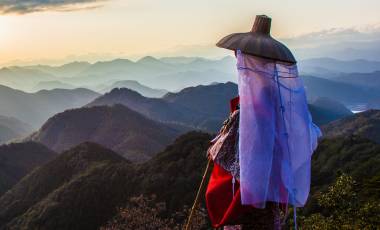
Kumano Kodo: A walk along the Kumano Kodo pilgrimage route is an experience like no other and offers an insight into the nature, religion and authentic culture of Japan. Along this countryside trail, you’ll discover traditional villages, tumbling waterfalls and the ancient forest of the Kii Mountains, which leads to the famous Kumano shrine at Hongu. Follow in the footsteps of pilgrims, aristocrats and emperors who took this spiritual journey along centuries-old trails. Kumano Nachi Taisha is one of the three pilgrimage shrines that make up the UNESCO World Heritage Site and is famous for its spellbinding views, sacred waterfall and vermillion pagoda.
Nakasendo Trail: This ancient walking route connects modern-day Tokyo with Kyoto and runs for approximately 340 miles through the Central Mountains. Formerly used by travellers such as samurai, pilgrims and merchants, the trail is far less crowded today and offers an introduces you to the 17th-century history and spectacular scenery. This is a wonderful route for anyone that wants to escape the tourist crowd and bustling cities of Japan to explore the peaceful landscapes of forests, mountains and waterfalls.
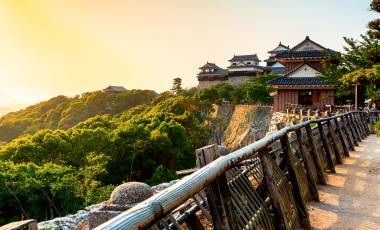
Shikoku Pilgrimage Trail: Covering more than 1,000km, this epic trail meanders between 88 Buddhist temples on a spiritual journey once walked by Kobo Daishi, who dedicated his life to Buddha. The scenery along the route is remarkable and to this day pilgrims walk the Shikoku Trail to visit the temples. Our tour guides you to some of the most beautiful parts of the trail in Tokushima, Kagawa and Ehime where you’ll stay in traditional minshuku and ryokan and feast on authentic Japanese dishes.
Planning your Walking Trip to Japan?
Where are the best walking trails in Japan?
Japan boasts some of the most scenic and historically significant walking trails in the world. The Nakasendo Trail, a historic 17th-century route connecting Kyoto and Edo (present-day Tokyo), is a popular choice for hikers seeking a glimpse into Japan’s feudal past. With charming traditional post towns and stunning mountain landscapes, the Nakasendo Trail provides a peaceful and immersive experience.
The Kumano Kodo is another renowned trail, weaving through the sacred mountains of the Kii Peninsula and featuring ancient shrines and lush forests. Pilgrims have walked this trail for centuries in search of spiritual enlightenment and tranquility.
The Shikoku Pilgrimage Trail comprises 88 temples on the island of Shikoku, forming a deeply spiritual journey that allows for introspection and connection with nature. Each temple provides unique cultural and historical insights, making the trail a profound and rewarding experience.
How fit do you need to be for a walking holiday in Japan?
The level of fitness required for walking holidays in Japan depends on the specific trail and itinerary you choose. While some trails may be more challenging and require a moderate to high level of fitness, there are also plenty of easier walking routes suitable for beginners or those looking for a more leisurely pace.
It’s important to research the difficulty level of the trail beforehand and prepare accordingly by gradually increasing your fitness level through regular walking and hiking. At Exodus, we’ve made this easier for you as each of our trips is carefully graded with thorough information about the walks, so you can make an informed decision about which tour best suits your ability.
What is the accommodation like on walking trips in Japan?
Accommodation options for walking holidays in Japan vary depending on the trail and location. In more remote areas, such as the Kumano Kodo pilgrimage routes, you will stay in traditional Japanese ryokans or minshukus, which let you enjoy a unique cultural experience with tatami mat floors, futon beds and communal hot spring baths.
In larger cities, you will stay at more modern, westernised hotels that are equipped with ensuite facilities, air conditioning, televisions and fridges. In some of our tours, you’ll experience lodgings that are found in Buddhist temples, known as Shukubo, once designed for pilgrims passing through on their travels.
Are guided walking tours available in Japan?
Yes, at Exodus, we offer both guided and self-guided walking tours in Japan. Our guided tours are a popular option for anyone who prefers expert guidance with invaluable local insights along the way. Each of the tours is led by one of our knowledgeable and expert guides who has a deeper understanding of the areas you visit. This means that not only will you get to explore hidden gems found on the road less travelled, but you’ll also gain a deeper insight into the culture, history and wildlife.
When is the best time for walking holidays in Japan?
Japan is home to a variety of landscapes that change with the seasons, making it suitable for walking holidays throughout the year. However, the best seasons for walking tours are spring (March to May) and autumn (September to November). Throughout these months, you can enjoy milder temperatures, dazzling cherry blossoms in spring and fiery autumn foliage in autumn, creating a colourful backdrop for your walking adventures.
What should I pack for trekking in Japan?
When preparing for trekking in Japan, it’s best to pack light but make sure you include necessary items to ensure your comfort and safety on the trail. Some essential items to pack include comfortable walking shoes, breathable clothing suitable for fluctuating temperatures, a waterproof jacket, sun protection gear, a refillable water bottle, snacks and a camera or smartphone to capture your adventures along the way.

Become an Exodus insider
Get insider tips, travel inspiration, and exclusive offers you won’t find anywhere else – sign up now!