Walking in Tuscany: What to Know Before You Go

You can see Tuscany through a windscreen. But you’ll understand it on foot.
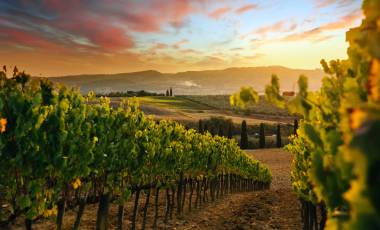
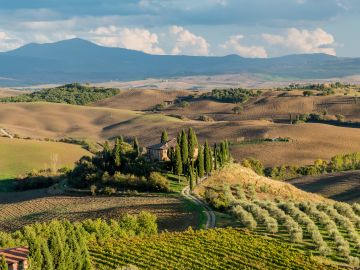
Yes, there are cypress-lined hills and honey-coloured towns, but hiking or walking quickly reveals far more than what you’d see from the road.
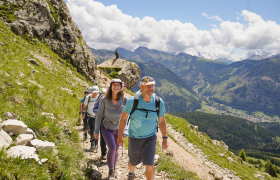
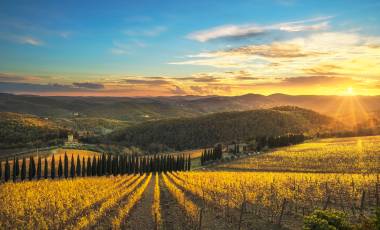
For anyone considering a walking tour in Tuscany, it’s this variety that sets the region apart. In the south, you follow vineyard tracks between olive groves and stone farmhouses. In the north, you climb into the Apennines, where chestnut forests give way to limestone ridges and far-reaching views. The terrain shifts, the architecture changes, even the food tastes subtly different. Walking connects it all.
That connection is what makes walking in Tuscany so immersive. Rather than driving between highlights, you move through them. You trace country paths before arriving in Siena’s Gothic heart. You step straight from vineyard trails into a cellar tasting. You climb steadily towards a summit, knowing dinner will be waiting back at a farmhouse where you’re greeted by name. Each day flows naturally into the next because the journey itself is the experience.
What Are the Best Hikes in Tuscany?

One of the best ways to understand why Tuscany is so well suited to a hiking holiday – and what sets guided walking holidays in Italy apart – is to look at the range of routes on offer. These are five of our favourites, each offering a different perspective on the region.
- Hike a Section of the Via Francigena
Following one of the most celebrated stretches of this ancient pilgrimage route, you walk between Gambassi Terme and San Gimignano through oak groves and vineyards. It’s a gentle introduction to a Tuscany walking tour. Historic, scenic and deeply atmospheric, it shows why pilgrimage routes are such a popular feature of walking holidays in Italy, with the towers of San Gimignano gradually rising ahead.
- Follow a Circular Route in Chianti
A scenic loop through woodland and emerald vineyard valleys in the heart of Chianti. Stone farmhouses, quiet lanes and the option to linger in the medieval centre afterwards make this a classic day on a walking holiday in Tuscany.
- Scale Monte Prado, the Rooftop of Tuscany
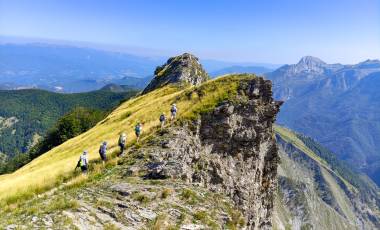
At 2,054m, Monte Prado is the highest peak in Tuscany. The route takes you steadily through beech forest to a wide ridge with views stretching towards the Apuan Alps and, on clear days, you can see as far as Corsica. For experienced hikers, this is one of the standout mountain days on a walking holiday in northern Tuscany.
- Summit Pania di Corfino in Orecchiella National Park
A steady ascent beneath a canopy of beech trees leads to open slopes and 360-degree views across Garfagnana. Golden eagles are sometimes spotted overhead as you descend through ancient woodland, highlighting the wilder side of Tuscany walking holidays.
- Monte Forato Rock Arch
In the Apuane Alps, the dramatic natural arch of Monte Forato frames the coastline beyond. The approach passes chestnut woods and rocky paths, revealing how rugged and unexpected a walking tour in northern Tuscany can be.
Can You Combine Walking and Wine Tasting in Tuscany?
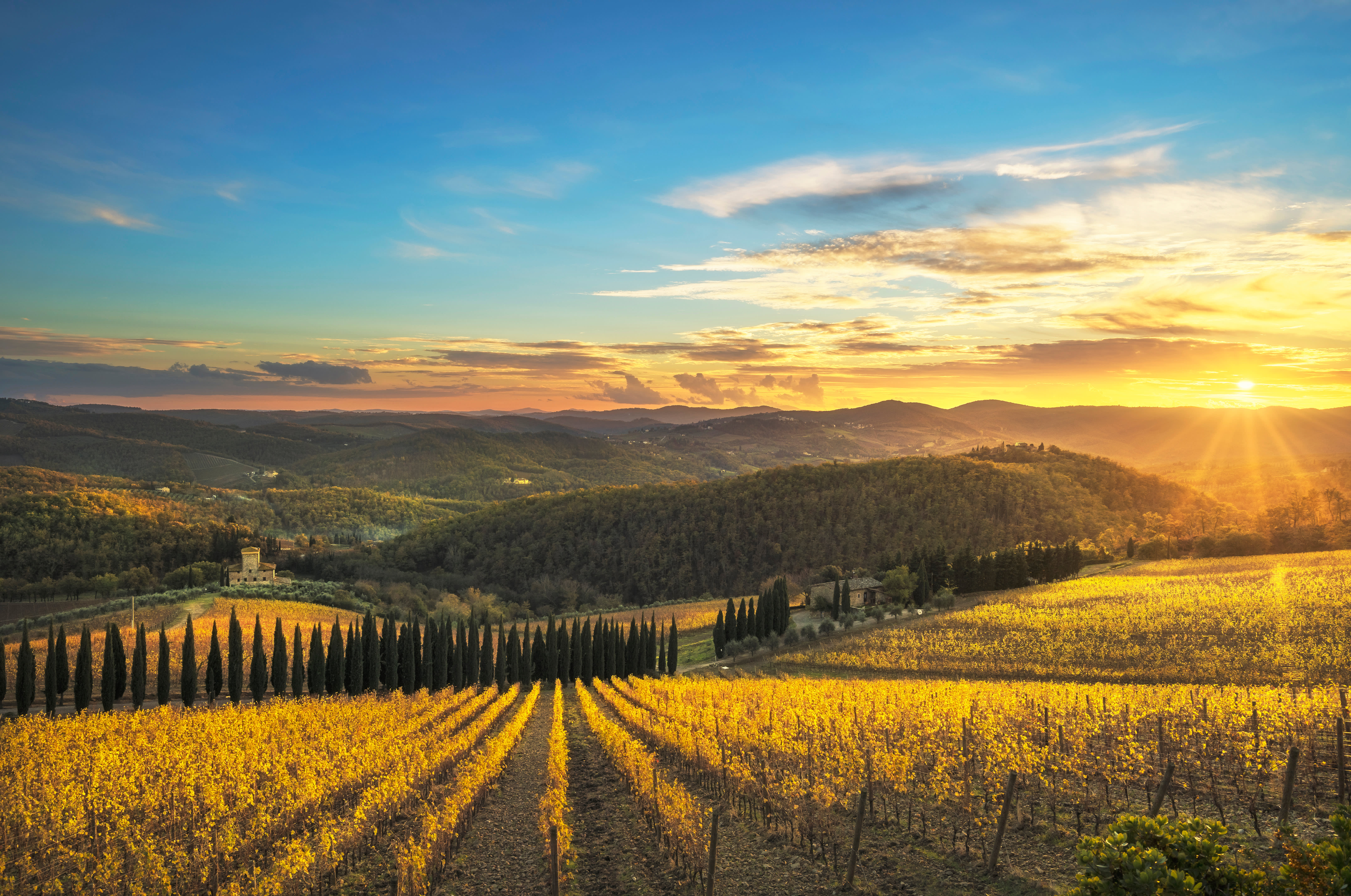
Of course, many travellers are drawn to Tuscany for more than the scenery alone. In Chianti, walking and wine are inseparable. After all, vineyard paths lead naturally to cellar doors.
One day, you might follow the Via Francigena in the morning, then sit down at a family-run estate to taste organic wines alongside local cheeses and bruschetta. Another afternoon brings an educational tasting in the courtyard of Siena’s Palazzo delle Papesse, where Tuscan grape varieties and traditions are explained in depth by the people who grow and make the wine.
Near San Gimignano, visits to family estates include guided tours of cellars and historic villas before sampling Vernaccia di San Gimignano and other local wines. These are not conveyor-belt tastings. They are conversations about harvests, tradition, and why younger generations are continuing small-scale wine and olive production.
What Can a Walking Tour Reveal About Tuscany’s Culture?
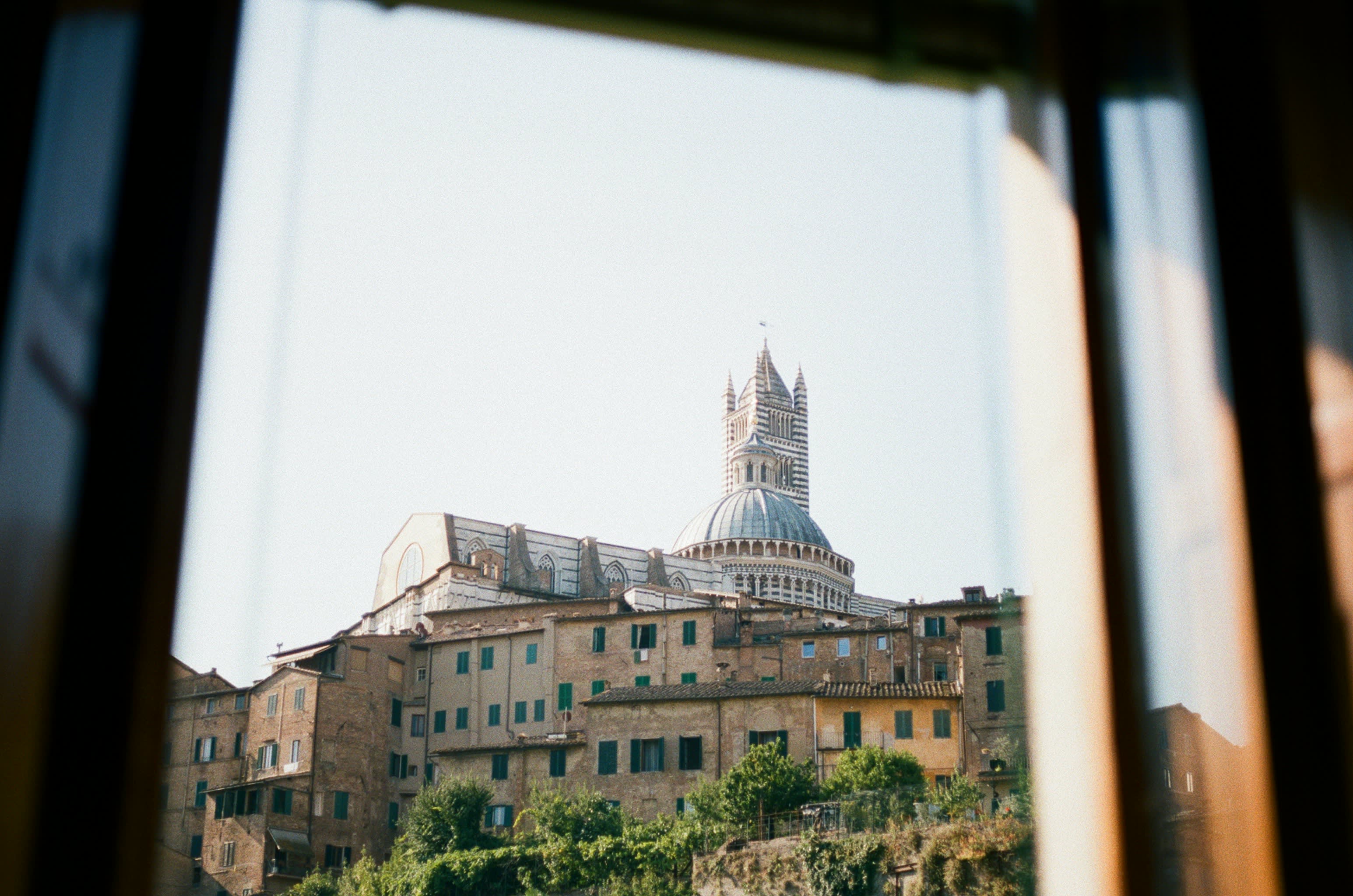
Beyond vineyards and mountain ridges, our Tuscany walking holidays also open doors to its most storied towns. Arriving in Siena by train and stepping into its Gothic heart is one thing. Walking its streets with a local guide who explains the rival contrade (urban wards) and leads you into small botteghe is another.
Visits often include access to a contrada museum – typically closed to the public – offering insight into traditions that still shape daily life. In Florence, guided exploration introduces Renaissance landmarks and the curious tradition of the wine windows, once used to sell wine directly from palazzi to avoid taxes and the plague.
Even lesser-known towns such as Colle Val d’Elsa reward those exploring Tuscany on foot. Away from the main tourist trail, medieval lanes and artisan workshops reveal a quieter side of the region that many visitors never see.
Where Is the Best Mountain Hiking in Tuscany?
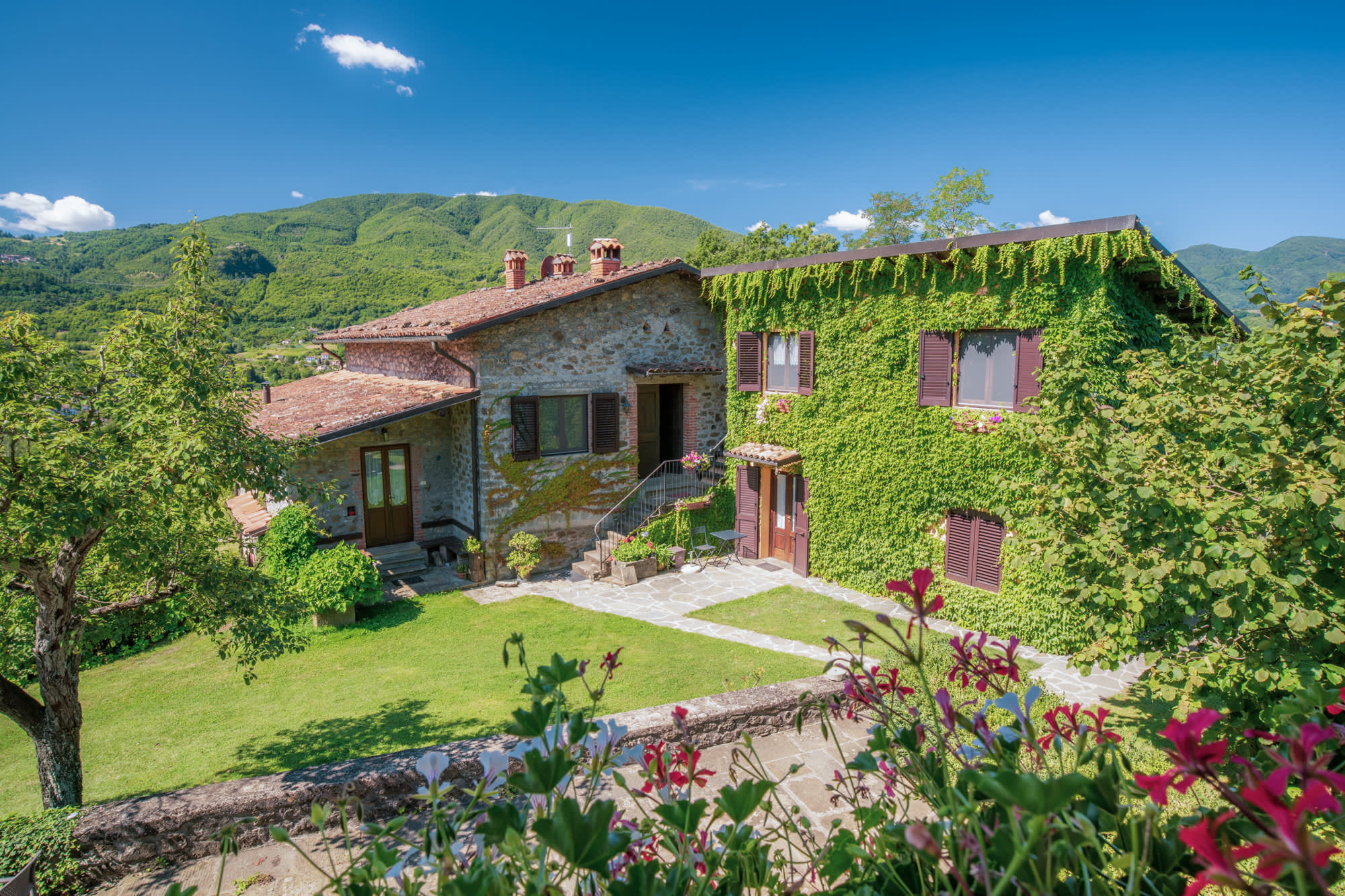
For travellers seeking a more challenging Tuscan hiking trip, the Garfagnana region in northern Tuscany offers a striking contrast to the rolling hills of Chianti. From a base at Agriturismo Braccicorti, a restored stone farmhouse surrounded by meadows and vineyards, our days begin with forest trails and end with home-cooked dinners.
On Walking Northern Tuscany (Activity Level 3) departures, routes such as Monte Sumbra and Monte Prado bring daily ascents of up to around 850m, rewarding steady effort with sweeping Apennine views.
For those seeking a greater challenge, Walking Northern Tuscany (Activity Level 5) departures include longer mountain days, more significant elevation gain and a night in a high-altitude refuge, carrying only essentials while your main luggage remains at the farmhouse.
One day might bring the ridge of Monte Tambura with sweeping views on both sides. Another could include the limestone landscapes of Pania della Croce and the tunnels leading to historic marble quarries. Picnic lunches are taken on high ground, looking across the Apennines towards the Apuan Alps. It’s here that a north Tuscany walking tour truly earns its name – and reminds you why you packed proper boots.
When Is the Best Time for Walking in Tuscany?
Choosing the right season can make a significant difference to your trip. Here are the best times to explore Tuscany on foot.
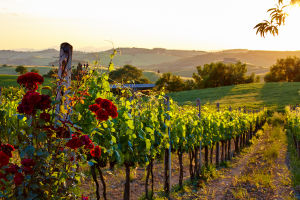
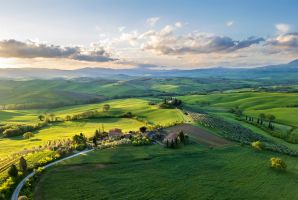
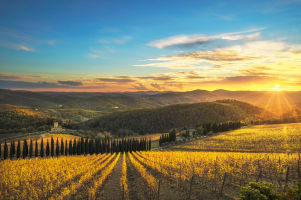
Summer can be hot in the valleys, which is why many hiking tours here favour earlier starts or higher-altitude routes during the warmest months.
What Should You Pack for a Walking Holiday in Tuscany?
Preparation plays an important role in enjoying your trip.
- Well-broken-in walking boots with good grip for rocky mountain terrain. This is not the time for new boots!
- Lightweight backpack for water, lunch and layers
- Sunhat and sunscreen − even spring days can be bright
- Refillable water bottle
- Light fleece or warmer layer for cooler evenings in the hills
If you are joining a more challenging northern Tuscany walking tour with a refuge night, you may also need a sleeping liner and headtorch.
FAQs – Walking in Tuscany
There are options ranging from easy cultural walks on vineyard tracks to challenging mountain hikes in the Apennines with significant ascent and descent. Activity Levels can vary by departure.
For easier Chianti-based Tuscany walking tours, a reasonable level of fitness is sufficient. Mountain-based itineraries in northern Tuscany suit regular walkers comfortable on uneven terrain.
Absolutely. Depending on the trip, experiences can include organic wine tastings at family-run estates, guided educational tastings in Siena and visits to producers near San Gimignano.
Accommodation ranges from charming family-run hotels in the Chianti hills to traditional stone agriturismos on the Apennine slopes, with some of our Northern Tuscany Activity Level 5 (Challenging) departures including a night in a mountain refuge.
Spring and autumn offer the most comfortable temperatures for walking in Tuscany, while summer suits higher-altitude routes in northern Tuscany.