Shape your adventure: With Extensions, every beginning and ending is yours to create. Learn More.

CALL: 1-844 520 1090

Ask a Question

Annapurna Add-on Tour

Rating: 4
Rating: 4/5 Read 1 reviews

Activity Level

Moderate

See our Activity Level Guidelines to check if this holiday is right for you

Activity

Walking & Trekking

Overview

Discover the foothills of the Annapurna region

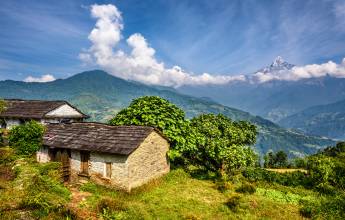
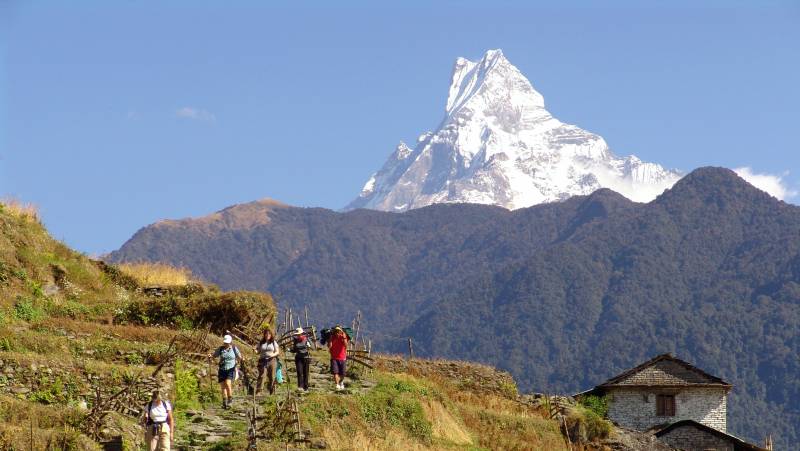
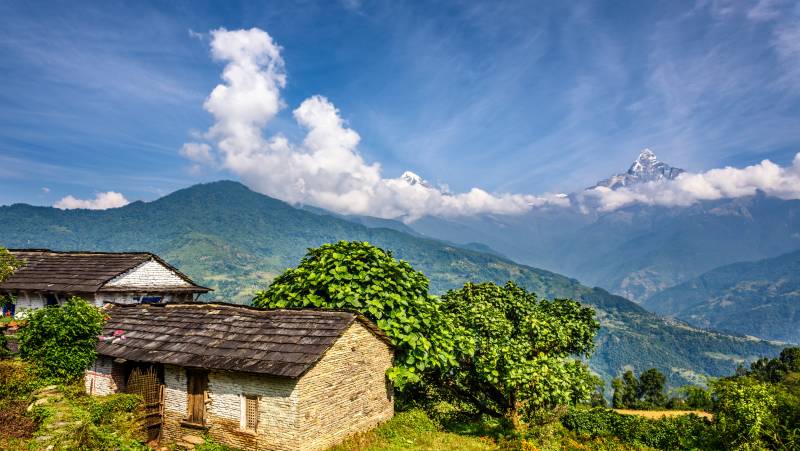
This four-day trek is a perfect introduction to trekking in Nepal. The route takes us through the foothills of the Annapurna region, one of the most spectacular of Nepal’s Himalayan massifs. We will also pass through Gurung villages set amongst the steeply terraced fields with splendid mountain vistas.

This add-on tour starts two days before the end of the main tour. At the end of the trek, you continue to Kathmandu following the rest of the main tour’s itinerary.

Key Information

What's Included

  • All breakfasts
  • All accommodation
  • All transport and listed activities
  • Local guide and porters on trek
Pace:

3-5 hrs per day

Highlights

  • Traditional Nepalese villages
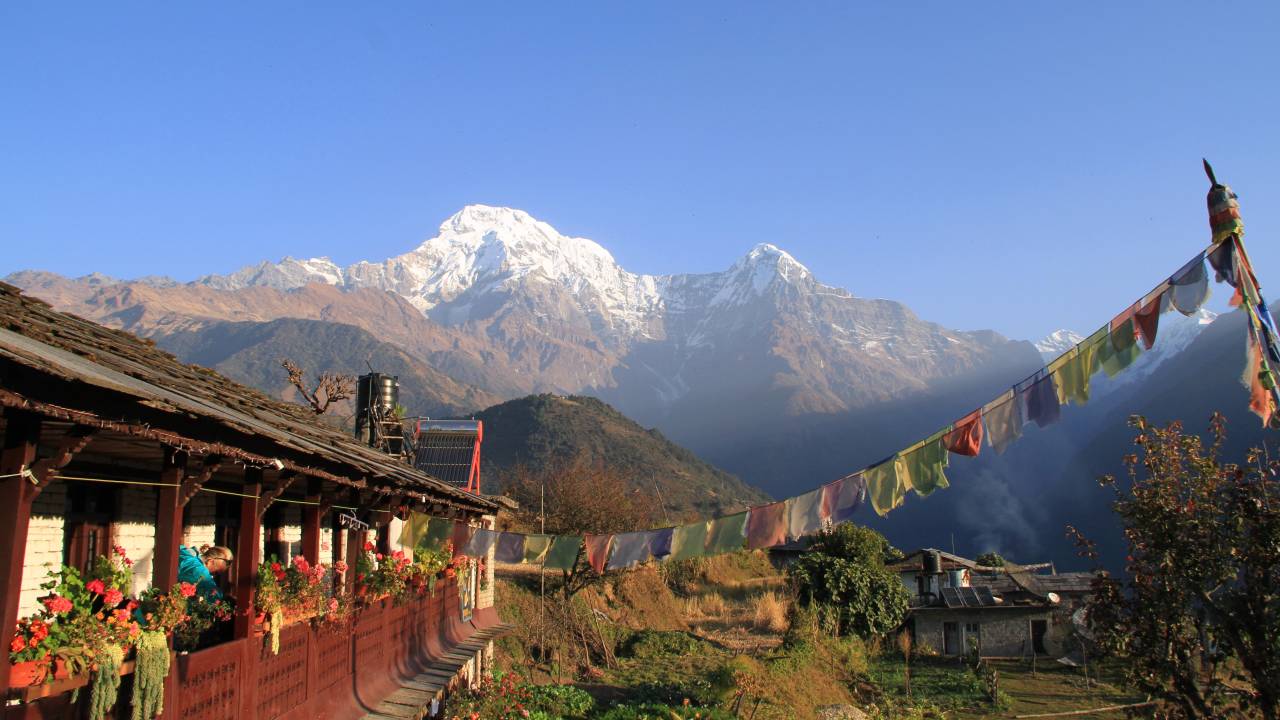
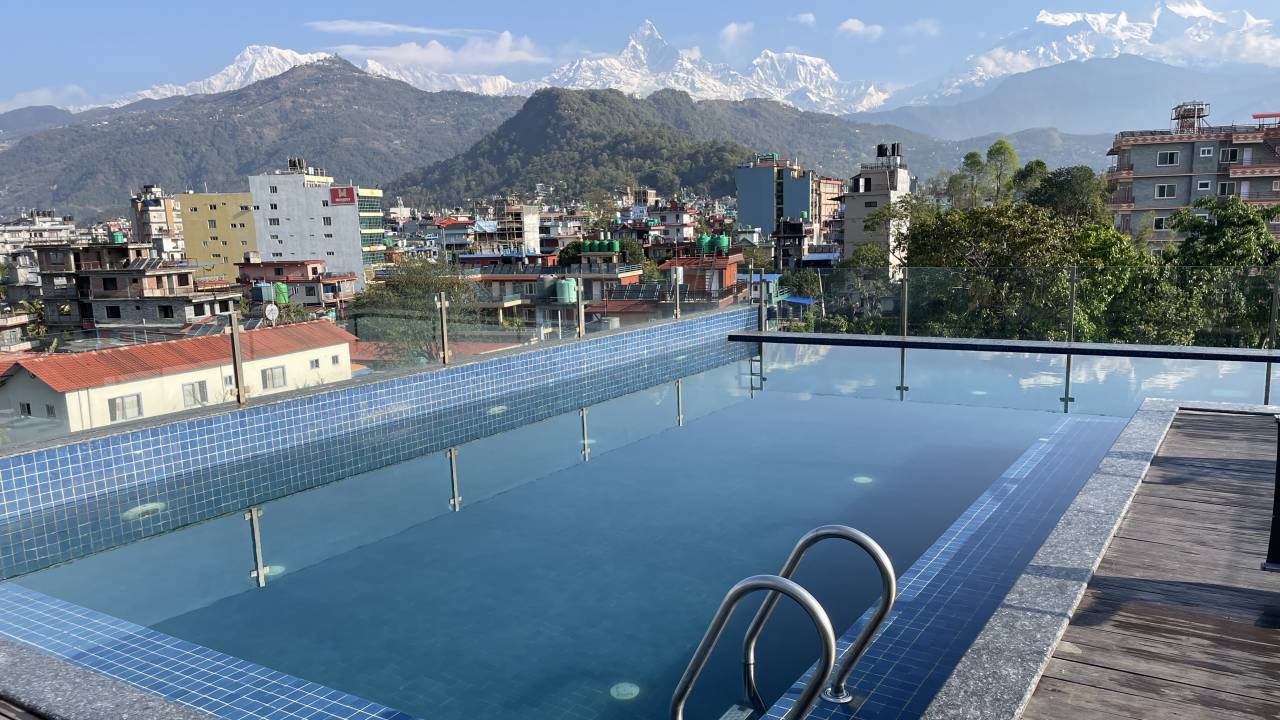
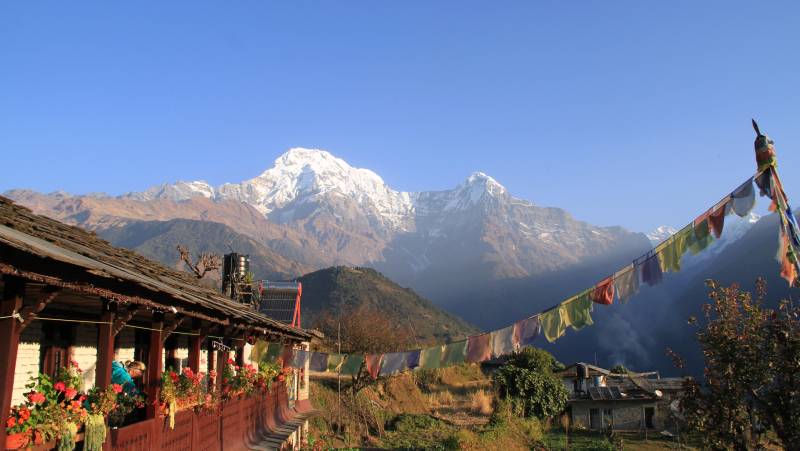
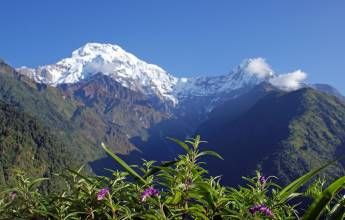
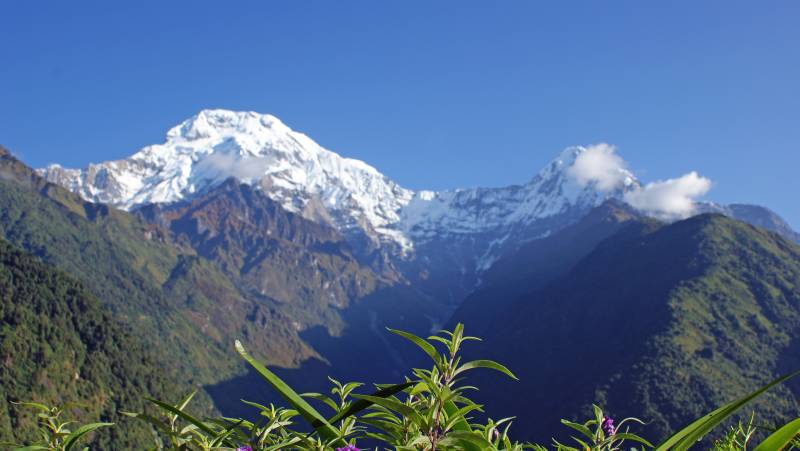
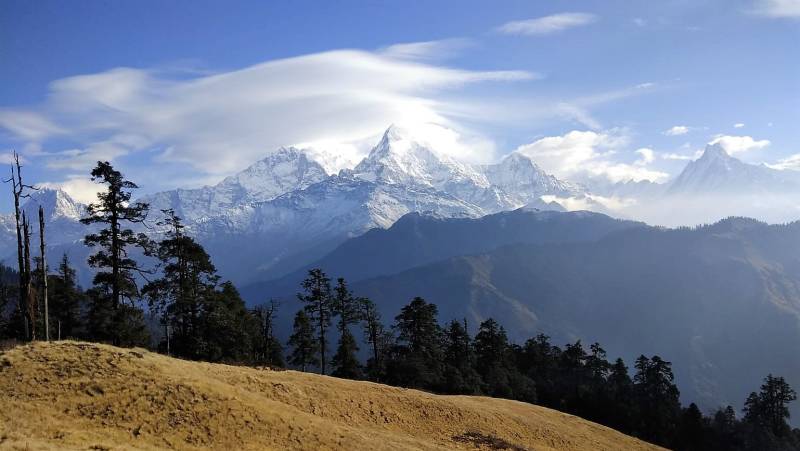
  • Magnificent views of Annapurna South

Itinerary

  • First Destination: Pokhara
  • Next Destination: Kathmandu
  • Meals included:Breakfast
  • Meals included:Breakfast
  • Meals included:Breakfast
  • Meals included:Breakfast
  • Meals included:Breakfast
  • Meals included:Breakfast
  • Meals included:Breakfast
  • First Destination: Pokhara
  • Next Destination: Kathmandu

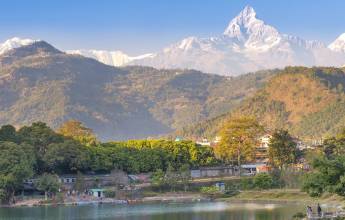
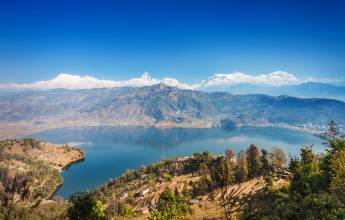
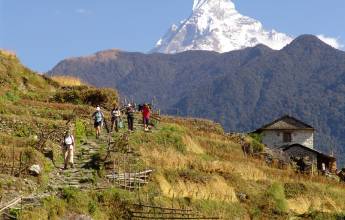
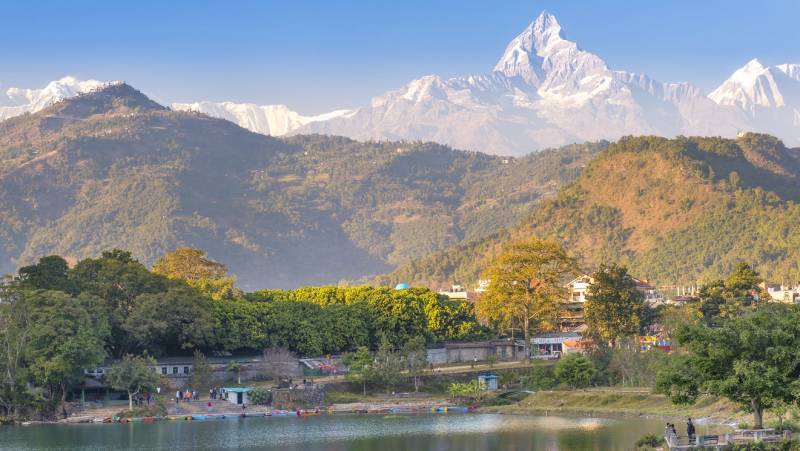
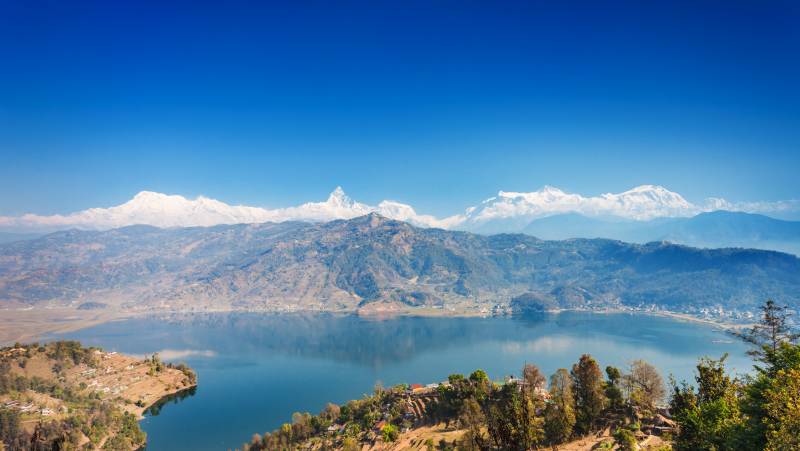
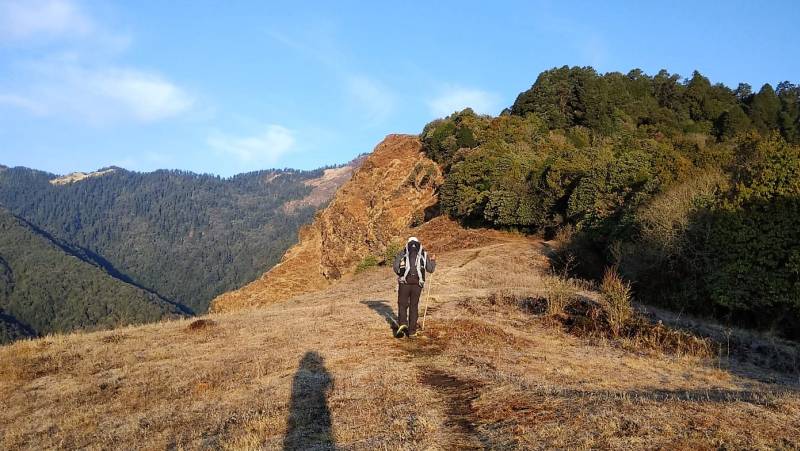
We set off with our guide and porter(s) and drive a short way (one hour) to Khare where we start our trek. From here, it is pleasant gradual walk up through the forest to Pothana via the Australian Camp (6,775ft/2,065m). On a clear day, we have a magnificent panorama of the Annapurna South and Machhapuchhare ‐ the sacred Fishtail Mountain. We arrive at the lodge by lunchtime and after lunch we walk around 30 minutes to Pothana.

Accommodation: Teahouse

  • Meals included:Breakfast

The trail continues to ascend today as we climb up to Deurali, where there are a few tea shops ‐ ideal for a tea break. We then descend quite steeply through the forest to Tolka, from where we enter farmland, and the trail then undulates around a few corners to the pretty Gurung village of Landrung (5,405ft/1,648m).

We have plenty of time to explore the village; the people who live in this area come mostly from the Gurung tribe and the houses are made from a distinctive orange mud brick. Mainly subsistence farmers’ crops are grown on every inch of land and the terraces extend for miles up and down the hills.

Accommodation: Teahouse

  • Meals included:Breakfast

Ahead are fine views of Annapurna South and Huinchuli and across the valley, we can see Ghandrung. To get there we must descend on a stone staircase to the Modi Khola River. Crossing the river by bridge we then have a long climb up through farms and hamlets to Ghandrung at 6,400ft (1,951m) where we spend the night.

Ghandrung is the largest Gurung village in the area and we have time this afternoon to explore the old part of the village, which is a maze of narrow alleyways separating the neat slate-roofed houses. From the lodge, we can watch the sunset on Annapurna South.

Accommodation: Teahouse

  • Meals included:Breakfast

Today is an easier walk and mostly downhill. We follow the trail out of Ghandrung on a magnificent stone staircase all the way down to Birethanthi. Way below us the Modi Khola roars down the valley and above us the rocks and hills soar ever upward to the snowy peaks.

We have lunch in Birethanthi and then take a local bus or taxi back to our hotel in Pokhara (2,696ft/822m).

Accommodation: Standard hotel

  • Meals included:Breakfast

This morning we take the tourist bus to Kathmandu, and our guide will travel with us. The distance is only 125mi (200km) but it is a slow climb through the mountains and ongoing road widening construction along the route as well as some bumpy conditions in places mean the journey will take most of the day (10 to 12 hours). The views, however, are stunning as we follow the Marsyangdi and Trisuli rivers, passing numerous villages and terraces stretching up the hillside. We arrive in Kathmandu in the early evening and check into our centrally located hotel.

For those that wish to, there is the option to take a domestic flight from Pokhara to Kathmandu which can be booked through our local operator directly in-country (approximately US$ 125 – 150 per person).

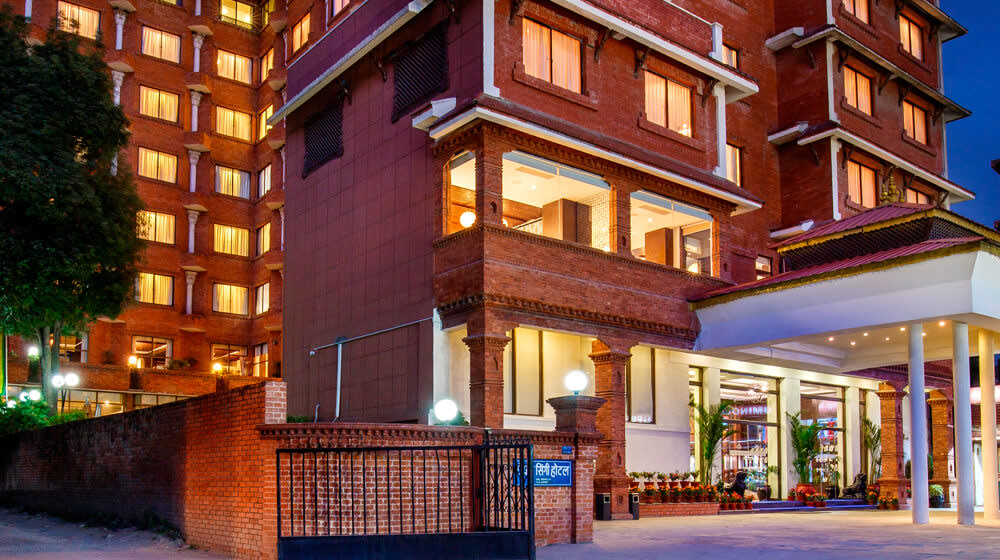
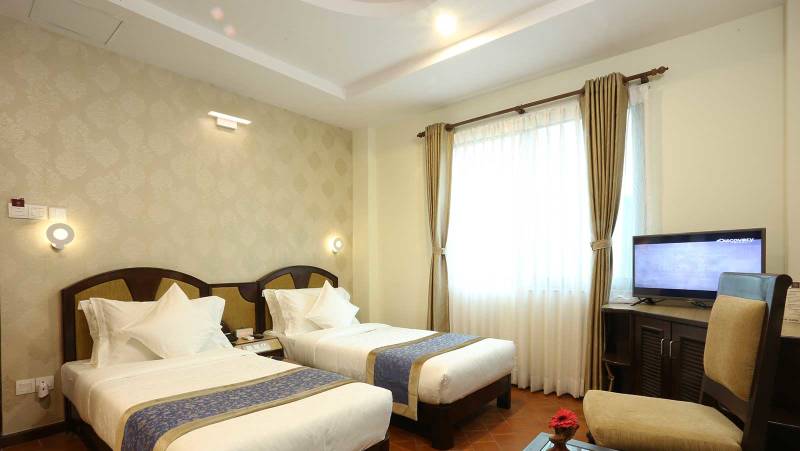
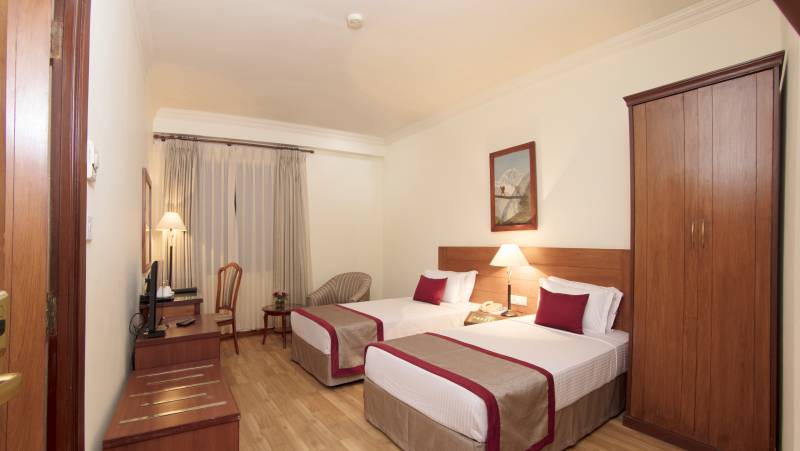
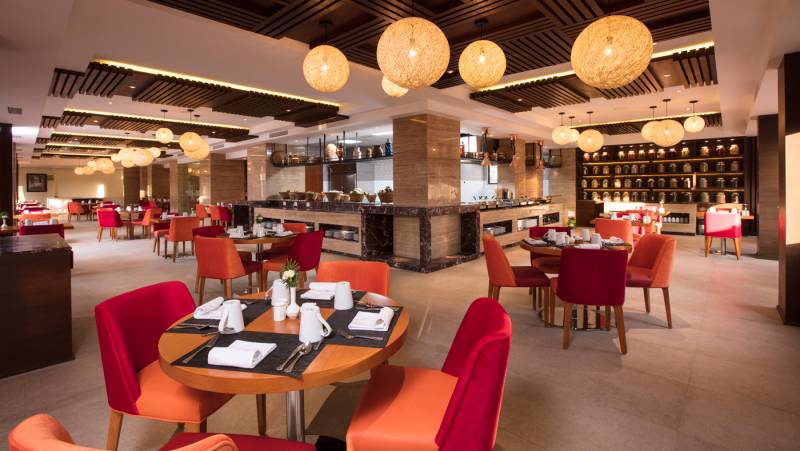
Accommodation: Royal Singi Hotel (or similar)

  • Meals included:Breakfast

We have today to explore Kathmandu and the valley. In the early morning, you could take a scenic flight to see Mount Everest (this can be booked and paid for on arrival in Kathmandu; see the ‘Extra Expenses and Spending Money’ section of the main Trip Notes for costs).

Today there will be a half-day sightseeing tour of Pashupatinath, the most important Hindu temple in the valley, and Bodnath, one of the largest Buddhist stupas in the world. The rest of the time is free for individual exploration. You may like to visit Durbar Square with its old royal palace and intricately carved temples, or Swayambhunath, a hilltop stupa that’s home to hundreds of macaques.

Kathmandu also offers many souvenir shopping opportunities: clothes, trinkets, Tibetan and Nepalese handicrafts and superb bookshops. It also has a wide variety of restaurants serving some of the best food from the sub-continent and you can also find wonderful pizzas and apple pie.

Accommodation: Royal Singi Hotel (or similar)

  • Meals included:Breakfast

The adventure comes to an end after breakfast.

Departure transfers are available for any flight, provided you have supplied your sales representative with your flight details in advance and have requested one.

  • Meals included:Breakfast

Dates & Prices

Accommodation

Teahouses & Hotels

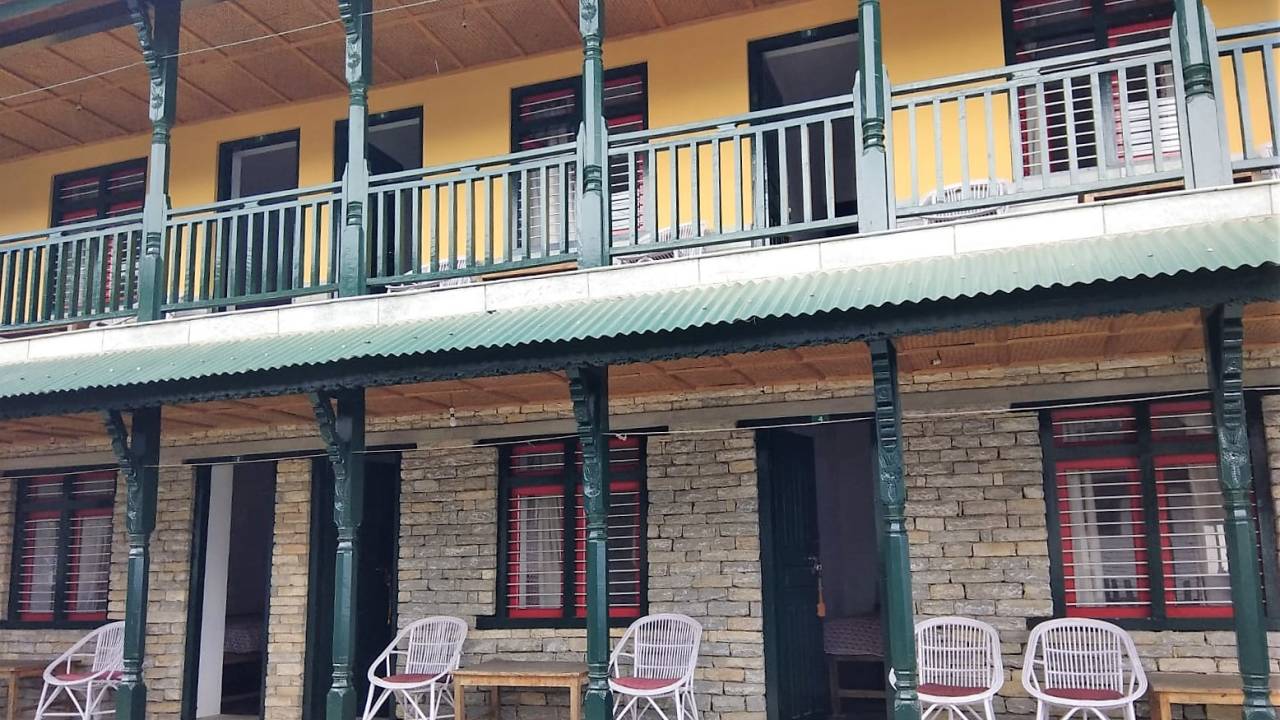
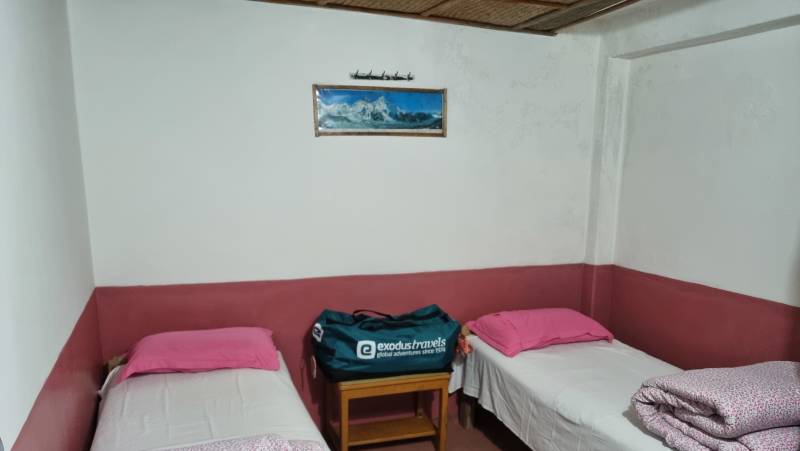
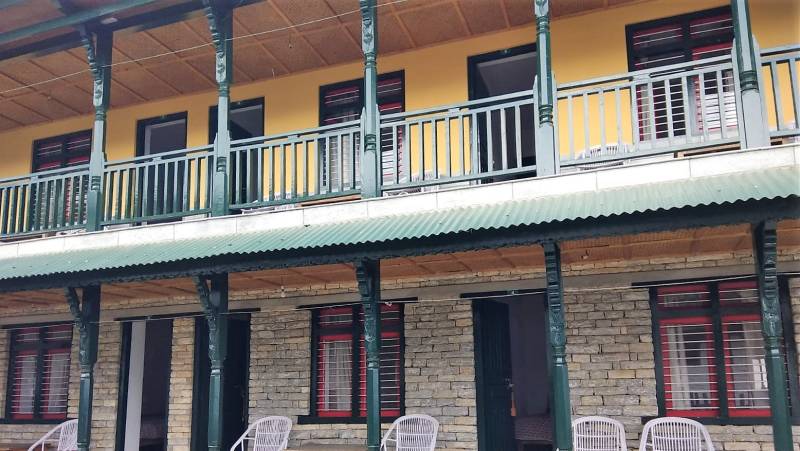
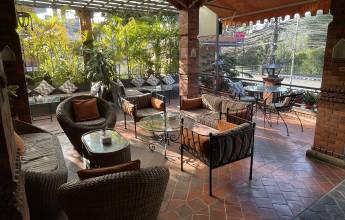
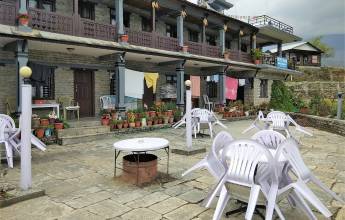
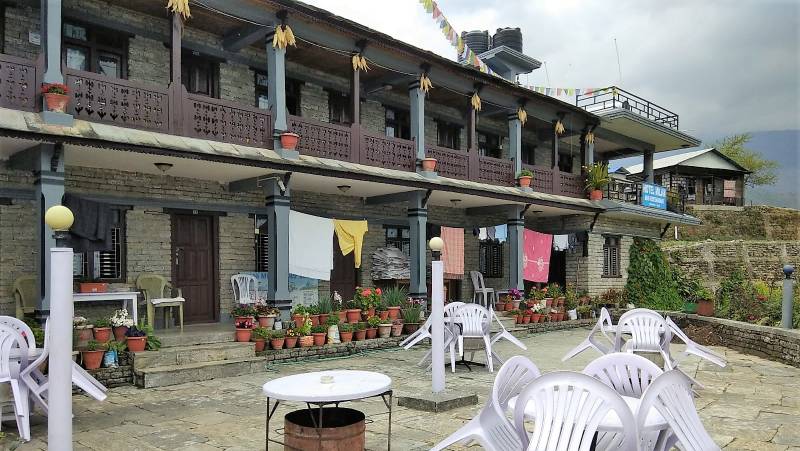
3 nights teahouses; 3 nights hotels. On trek we stay in local lodges (known as teahouses). In Pokhara, we stay in a simple hotel near the lake. We then move into a more comfortable hotel in Kathmandu.

Please note that a single supplement is not applicable for the teahouses on the trek (available only for the 3 hotel nights)

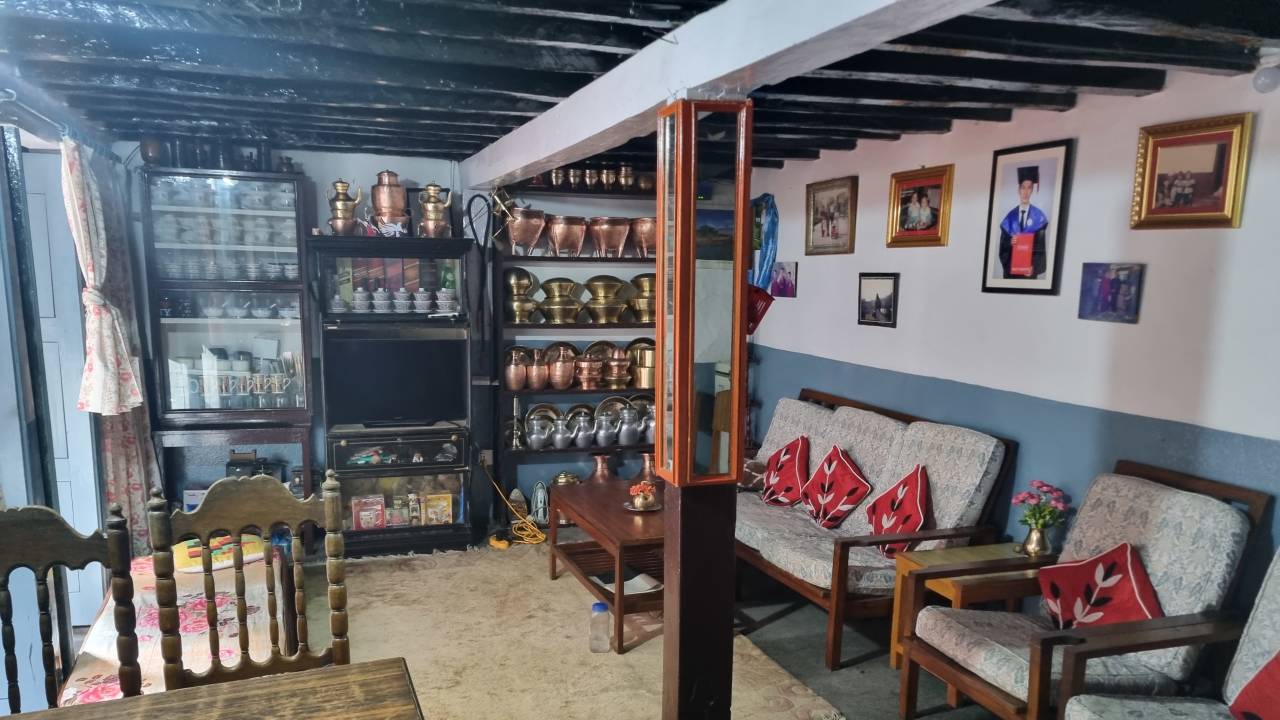
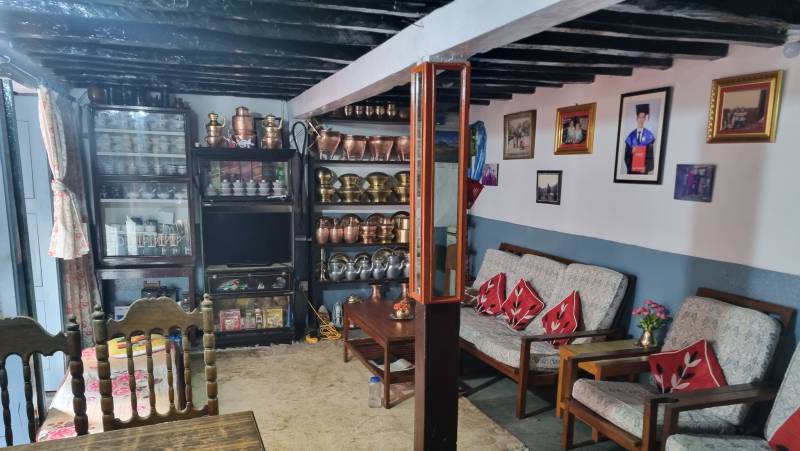
The teahouses are basic but adequate; please be realistic about what to expect in the mountains. The hub of the teahouse is the dining room, usually decorated with colourful traditional rugs, sometimes with a stove or heater (some lodges charge a fee to put the heater on). All teahouses sell snacks and other essentials such as tissues, soap and toilet paper. Most lodges have electricity but it is not wholly reliable and lighting may not be bright enough to read by – a torch is essential. Electrical charging facilities are generally available only in the dining room (with some teahouses charging a small fee per device). Many lodges have Wi-Fi these days but it is generally slow and temperamental and often cannot cope with more than a couple of people logging into it at once.

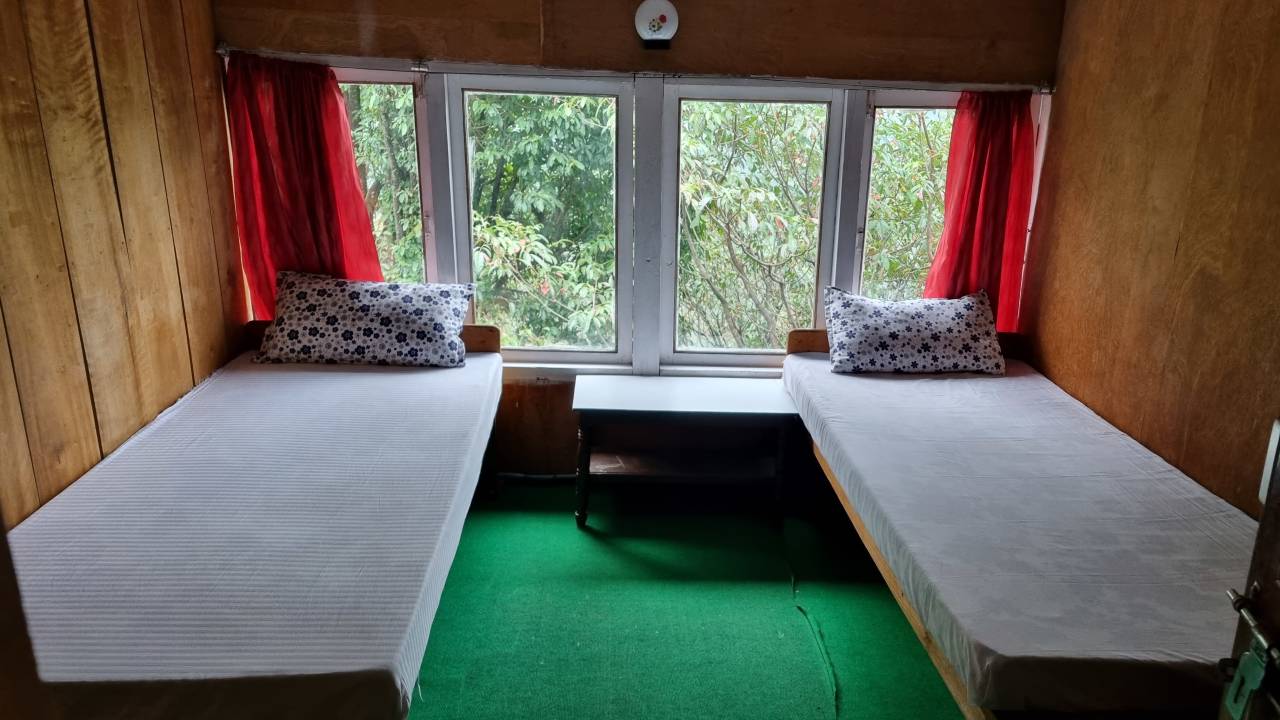
The bedrooms are mostly twin-share, beds with foam mattresses, bed sheets and a pillow are provided. Bedrooms are unheated and can get cold at night.

Most lodges have only one or two basic toilets and sometimes these are located outside the main lodge building. Toilets are usually Asian ’squat’ style; although many lodges have now installed ‘western style’ seated ones. Toilet paper is not provided so you should bring your own or buy it locally (please dispose of it the bin provided – do not put it in the bowl). If there is not a flush handle, there should be a container of water to pour down – if it is empty (or frozen) please either refill it or ask the lodge to.

Some lodges now have gas or solar hot showers but don’t expect them every night as the heating system can be temperamental, especially for the solar facilities.

Standards of cleanliness vary especially in the peak trekking season. Please report any problems to your leader or the lodge and be vigilant in your personal hygiene regime – use soap or hand sanitizer gel before and after toilet breaks, snacks and meal times.


Essential Information

This add-on tour has been graded Activity Level 3 (Moderate). For more information on our trip gradings please visit the Activity Level Guidelines page. If you have any queries about the difficulty of the trip please do not hesitate to contact us.  

It is a great introduction to Himalayan trekking with four days of walking and full porterage throughout, so you need only carry a daypack. This is a moderate trek with four days point-to-point walking. We walk 3‐5 hours each day and stay in local mountain lodges (known as teahouses). Altitude is not a concerning factor on this trek.

When trekking in the Annapurna region, many of the trails on this trek include stone steps which can be uneven in places. A fairly decent level of fitness is required, with experience of hill walking as there are quite a few steep uphill walks and stone steps with some long ascents and descents. This could be even more of a challenge for anyone suffering knee problems and we highly recommend you bring walking poles to assist you.

This add-on tour starts in Pokhara, 2 days before the main trip ends. This is Day 13 Land Only of the main trip, when the group travels from Pokhara to Kathmandu.  At the end of the trek, you will travel to Kathmandu and will follow the rest of the main tour itinerary independently from your original main group.

Exodus has more than 30 years’ experience organising treks in Nepal and our experienced English-speaking local leaders receive regular training and are qualified in first aid.

Please note that while we provide a tour leader for the main trip, there is no Exodus leader on this add-on tour. We will provide you with an English speaking Nepali guide and porters to carry your luggage. Your guide will meet you at your hotel in Pokhara on Day 13 (Day 14 ex London) of the main trip and brief you on the trek.

If you are the only person booked onto the add-on tour, a compulsory solo traveller supplement will be added to your booking. This rate is based on single room so no extra single supplement is required. Should additional passengers book onto the same departure, your compulsory solo supplement will be removed and your booking will be based on twin-share rooming. You can choose to upgrade to include the optional single supplement if preferred.

Nepal flight safety (optional upgrade: flight from Pokhara to Kathmandu)

Many of our treks in Nepal use domestic flights to reach the trekking areas. The mountainous Nepalese terrain is subject to changeable weather, which makes flying conditions complex and challenging, and unfortunately there are significantly more incidents here than in other countries, including fatalities. The EU highlighted the poor safety record in Nepal in 2013 by including all Nepalese-registered airlines on the EU banned list, which prevents them from flying in EU airspace. While no Nepalese-registered airlines currently fly within the EU, the EU instigated this ban to highlight the risk of flying in Nepal to EU citizens. These airlines are unlikely to be members of internationally recognised safety audit systems and the Civil Aviation Authority (CAA) of Nepal does not operate to the same standards as those of Western nations.

Flying within Nepal is therefore a known risk, and we strongly encourage you to consider this carefully before booking. We suggest you refer to the following sources:

In response to concerns over this safety record, Exodus arranges for independent air-safety auditors to visit Nepal annually to assess the suitability of the available carriers. We then restrict our use to only those approved as part of this audit. In emergency situations, we will need to use helicopters, so we also have a list of approved helicopter carriers. Should concerns arise regarding the safety of an airline on our approved list, we will remove the carrier from the list immediately, and it would only be reinstated once our air-safety auditors are confident the airline meets acceptable safety standards.

We appreciate you may have concerns about flying within Nepal, so we ask that you consider all the information above when deciding if you would like to upgrade your package to include a flight from Pokhara to Kathmandu at the end of the trek.

Nepal

You can obtain your visa in advance or on arrival. The Immigration Department of Nepal has suspended visas on arrival for certain nationalities – please check if this applies to you with your nearest embassy or consulate.

Visa in advance

To get a visa in advance you can apply online at nepaliport.immigration.gov.np and collect it from your nearest Nepali embassy. Find more information at www.immigration.gov.np.

Visa on arrival

  1. When you arrive at Tribhuvan International Airport in Kathmandu, there will be three lines. If you have already secured your visa, go straight to the Immigration line. If not:
    Fill in a tourist visa form at the electronic kiosks. After inserting your passport, the machine will automatically fill out an application form, take an electronic photograph of you and print a paper slip. If the machine won’t read your passport, complete the details manually using the touchscreen. We recommend taking a passport photo with you just in case.
    Top tip: This process can be completed through the online immigration portal (click ‘Visa On-Arrival’) within 14-days prior to arrival in Kathmandu, helping you to avoid lengthy queues at the kiosks when you come through immigration – ensure you print and bring the confirmation with you. If you have completed your visa on arrival form in advance, go directly to the visa fees counters with your printed confirmation and skip the kiosk queues.
  2. Proceed to the visa fees collection counter and pay the visa fee (in cash, if possible). Make sure to keep the receipt. Card payments are not always possible, so paying in cash is easiest, most currencies are accepted but US dollars are preferred.
  3. Go to the relevant immigration desk and present your tourist visa form, payment receipt and passport to obtain your 15-, 30- or 90-day visa stamp. Please check you have been given the correct visa duration.

All breakfasts are included.

The breakfasts on trek are fixed set menus, usually porridge or muesli with either toast, chapatti or pancake, plus an egg or omelette and a cup of tea/coffee. You may also be able to supplement your included breakfast with additional items on the teahouse menu should you wish. Items not included in the set breakfast should be ordered and paid for separately.

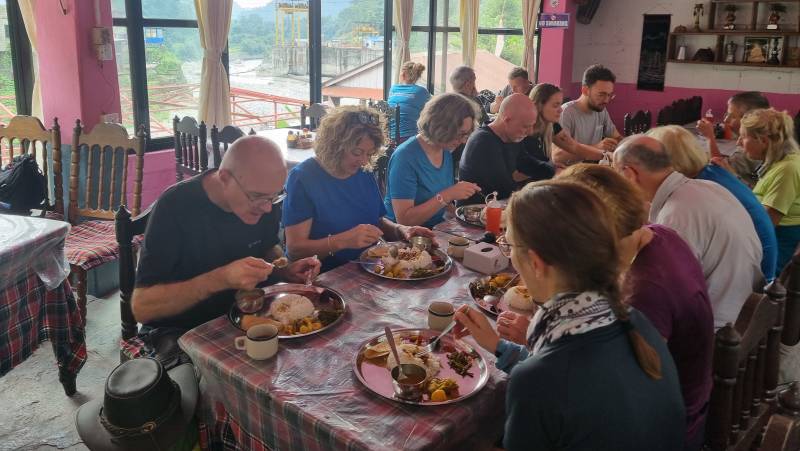
We do not include lunch and dinner on trek allowing you to choose what you want to eat. Lunch will be taken at a teahouse en route. Dinner will be in the same teahouse that you sleep at (this is custom in Nepal as teahouses base their room rate on it).

The menus in the lodges are almost identical to one another but offer a varied choice, ranging from traditional Nepalese dhal bhat to pizza and apple pie. Dhal bhat is the staple diet in Nepal and comes in many different forms but generally comprises curried lentils and meat or vegetables, rice, and a pickle/chutney. Another popular snack is momos, a type of Nepalese dumpling, fried or steamed and filled with meat or vegetables.

Although meat is available in the teahouses, we advise against eating it on trek. The meat has often been carried in the heat from lower altitudes for several days before reaching the lodges and can cause stomach upsets or illness. Germs can also be spread by handling dirty money – we recommend using hand sanitiser.

If you have a gluten-free diet, we strongly recommend you bring extra food and snacks with you to supplement the food on trek as there will be little variety available to you, particularly for breakfast. Even many of the soups are from powder/packets and contain gluten.

If you buy imported food and drink on trek, you will spend more than the suggested amount.

Drinking water

Staying hydrated is important when undertaking any physical activity, on this trip it is generally recommended to carry a 33floz (one litre) water bottle and drink at least 67floz (two litres) per person per day.

However, we strongly encourage you not to buy bottled water on trek as this contributes to the growing problem of plastic pollution in the trekking areas of Nepal.

You can top up water bottles at tea breaks and lunch stops along the way with some villages offering safe drinking water stations selling UV-treated water for about 50 rupees (US$0.40) per litre.

The teahouses also sell boiled water for approximately 150-300 rupees (US$1.15-US$2.30) per litre (the price increases the higher you trek) which should not require treating. This is also perfect for a bedtime refill as it can double up as a hot-water bottle.

Alternatively, all teahouses provide free cold water. Although this should not be drunk untreated, we recommend you bring a reusable bottle and use an effective form of water treatment. There are a wide range of products available that are more effective than traditional purification tablets – we recommend talking to an outdoor retailer for the latest advice as technologies are improving all the time. Make sure to check the product’s performance in cold/freezing conditions and consider battery life (lithium batteries are best in cold conditions).

Exodus has partnered with Water-to-Go, a filtration system that eliminates more than 99.99 percent of all microbiological contaminants from any non-saltwater source – visit Water-to-Go for more information. Exodus customers can claim 15 percent off their first order and, better still, 15 percent of the purchase value will be donated to the Exodus Travels Foundation. Please note, if the water freezes it will clog up the filter. In this event, defrost before use by sitting the filter in lukewarm water for 10-15 minutes.

The main trekking season in Nepal is from October to mid‐May when daytime temperatures at most altitudes are generally comfortable for walking, the sky is clear much of the time and rain and snow are occasional occurrences. Daytime temperatures will vary from 15ºC to 35ºC. Different seasons offer different advantages for trekking.

Post Monsoon/Autumn: October to November. This is the main trekking season in Nepal. Day temperatures will be up to 20ºC. Skies are usually clear and days on trek are sunny and mild with clear mountain views. Nights will be cooler with temperatures dropping to about 5ºC.

Winter: December to end February. Despite the cooler conditions this is an ideal time to trek in Nepal. Skies are usually very clear especially in December and the mountain views are at their best. Early mornings and evenings are cold with temperatures down to about freezing but once the sun is out days are pleasant and sunny with temperatures up to 19ºC. The trails are much less busy at the time of year.

Pre‐monsoon: March to May. Both day and night temperatures will be warmer in general but haze will often build up in the afternoons and there can be some rain. The days will be hot (up
to 25ºC). Nights will be a bit cooler. Flowers bloom in this season and this is one of the reasons people choose to trek in spring. The Annapurna region is famous for its rhododendrons in spring.

Please remember that in any mountain area the weather is never wholly predictable and you should be prepared and equipped to deal with any differences in weather beyond the conditions
described above.

The Annapurna trek add-on tour is not available on any departures during the summer months of June – early September due to poor weather from monsoon rains in this period.

As a certified B Corp, we’re on a mission to improve our social and environmental impact across all our adventures.

We do this through our innovative Thriving Nature, Thriving People plan.

This ‘nature positive’ approach is designed to help nature and communities thrive in harmony through practical solutions, such as reducing carbon and waste on our trips, supporting conservation projects through the Exodus Adventure Travels Foundation, and rewilding 100 square metres for every Exodus traveller.

Caroline Ritchie

Rating: 4

Annapurna Extension

Although we did not get extensive views of the Annapurna Mountain range because of the permanent mist (it was February) the trek took me through beautiful places, old villages and farmlands which gave a fascinating glimpse into a past way of living. The actual walking was not hard, because of...

Most Inspirational Moment

The stone stair cases and paths cut into the foothills along which we traveled and the peace and serenity of the trek; some days we didn't see other westerners at all. On some days we stopped for tea with various locals which was always fascinating

Thoughts on Group Leader

The group leader (I was the only traveler) was called Sager. Although his English as not brilliant he was a very good porter and guide. He was able to pace the trek exactly to my speed and strength so that even though I knew that I had walked I was never overstretched. He also had some interesting stories about the places we passed through, his own family background and other cultural aspects

Advice for Potential Travellers

If Exodus wants to book you until the Australia Camp for the first night refuse. It is not a teahouse it is a full, very basic trekkers camp. It may potentially have excellent views, but when the mist is down as in February you can't see them. Instead there now appears to be a fashion for young Nepalese people to trek from Pokhara to this camp especially on Friday nights to party. I didn't go up into the Annapurna foothills to listen to a raucous drunken crowd, including camp staff, partying until 2 am especially as it only took an hour and a half to walk to the Australian Camp and 25 minutes further on there was the lovely, quiet village of Pothana. This is just inside the borders of the Annapurna National Park and tranquility is the norm here. You do need your own loo roll for this part of the trip. There is an abundance of water in this area so everything felt very clean, except once again at the Australian Camp, although I had taken hand sanatiser with me just in case. In all of the other places we stopped at, either just for food or drink or at the accommodation there was always somewhere to wash your hands after going to the loo, some of which were interestingly basic but fine, or shower etc. It was usually a single basin, with soap just outside whatever facility. In the Australian Camp there were no hand wash basins.

Suggestions

I wouldn't recommend this trip for other solo travelers (when I initially booked there was another couple doing the trip who subsequently cancelled) especially out of season unless they very much like their own company. Although the walking during the day was lovely and companionable with Sanger in the evening, for the evening meal the tradition is to serve the guests first and then the guide/ porters get to eat with other members of the household which is lovely for them, and a break is needed between guide and guest. However it did mean that there was a very limited social side to the trek at the end of each day which I didn't enjoy and which would have made me reconsider about doing the extension had I been informed. Luckily I had a good book.

Make an enquiry

XTNAIN - Annapurna Add-on Tour

To enquire about an existing booking click here

To give you the content requested, we need to store and process your personal data. For information on how to unsubscribe, as well as our privacy practices and commitment to protecting your privacy, please review our Privacy Policy.

Find out more about how we use your data

You may also like

Annapurna Add-on Tour