The Taj & Beyond: Your Essential Introduction to Adventure Travel in India

India isn’t a country you simply visit. It is a country that sweeps you up, spins you around, and sends you home with stories you will be telling for years.
Stretching from the snow-capped Himalaya in the north to the tropical coasts of Kerala and Tamil Nadu in the south, and from the deserts of Rajasthan to the lush tea gardens of the east, it is a nation so vast and varied that first-time travellers often wonder where on earth to start.
That’s where good guidance makes all the difference. With so many landscapes, cultures, festivals, and wildlife experiences to choose from, having experts who understand the country’s rhythm can help you shape a journey that feels both immersive and manageable.
Before you decide where to go, it helps to orient yourself with the essentials. This guide introduces some of India’s most inspiring regions and experiences to spark ideas for your own adventure.
The Golden Triangle
If India has a classic introduction, the Golden Triangle is it. Linking Delhi, Agra, and Jaipur, this route distils centuries of history into a wonderfully varied week.
Delhi
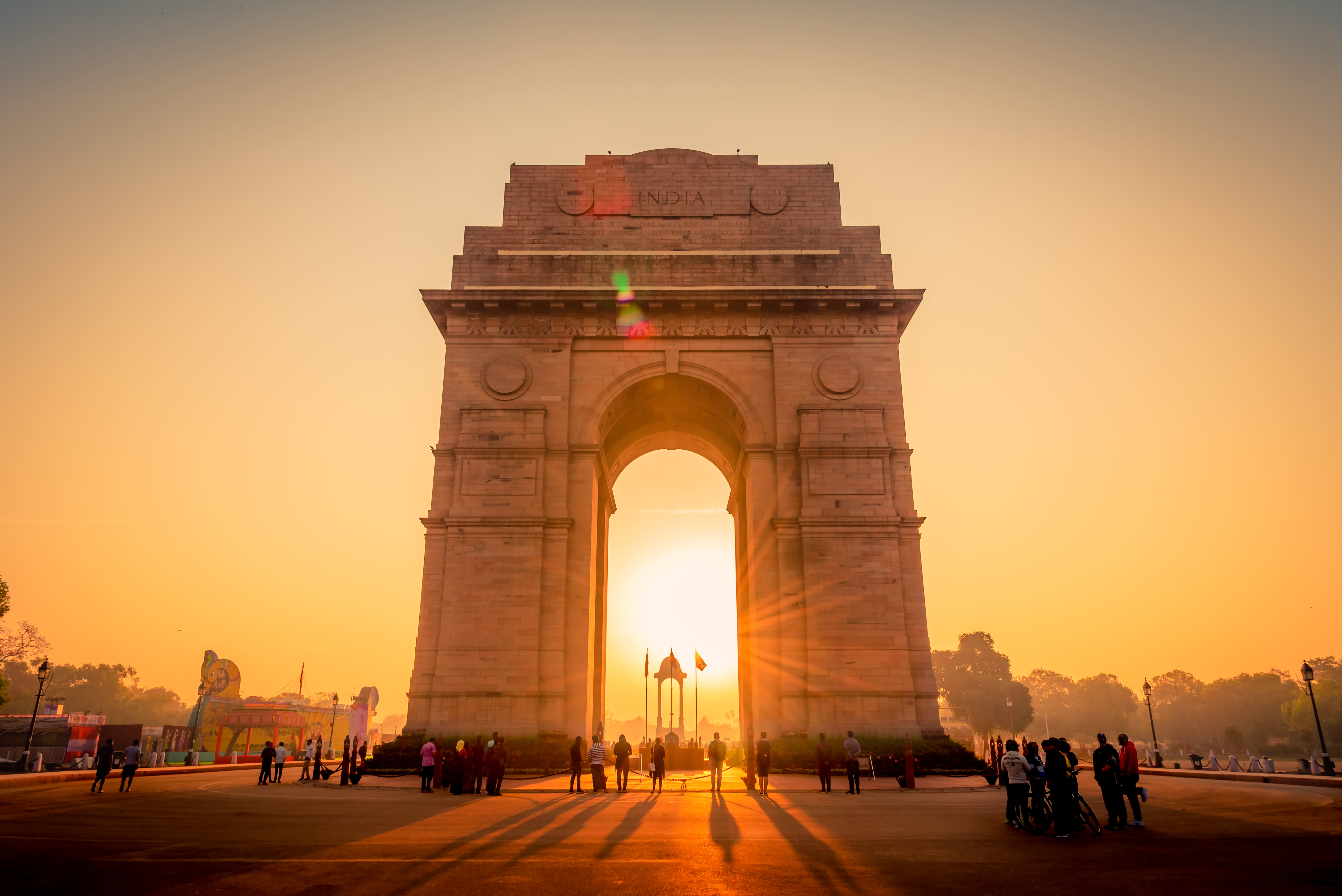
India’s capital is a tale of two cities. Old Delhi brims with spice-laden markets, alleys patrolled by cycle rickshaws, and Mughal landmarks that seem to rise straight from the past. New Delhi, with its leafy boulevards and grand monuments, offers a complete contrast. Together, they provide an energetic, flavour-packed welcome to the country.
Jaipur
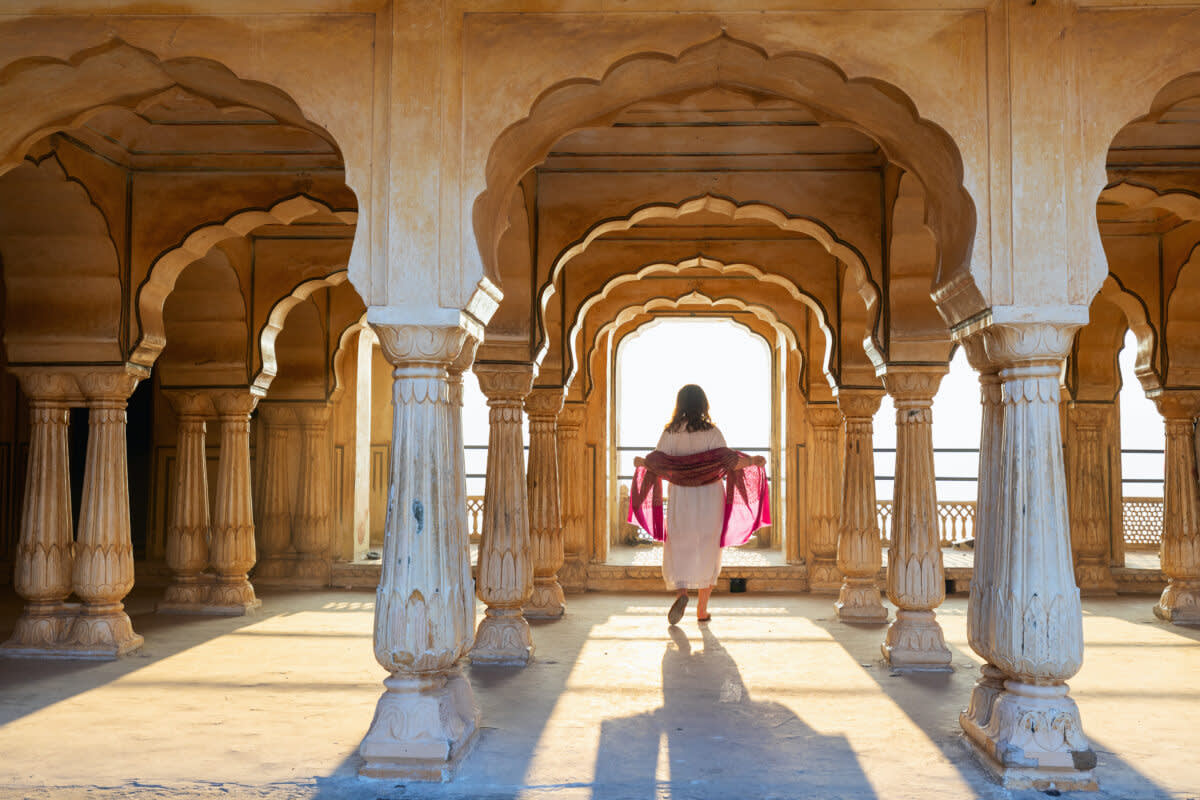
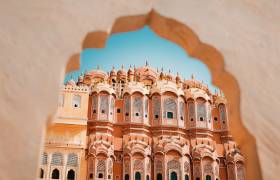
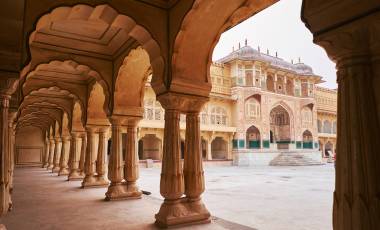
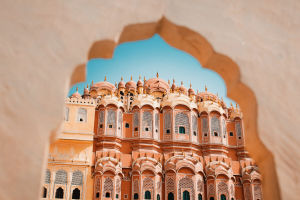
Known as the Pink City, Jaipur blends stately Rajasthani architecture with lively bazaars and atmospheric forts. The Amber Fort is a highlight, especially in the morning when the soft light catches its sandstone curves. Jaipur is also a centre for crafts, from block printing to jewellery, making it a rewarding stop for creative travellers.
Agra

The Taj Mahal needs little introduction, although nothing prepares you for the real thing. It seems to hover rather than stand, especially at sunrise when the marble blushes pale pink. Agra Fort and the nearby abandoned city of Fatehpur Sikri round out a trio of World Heritage sites.
Book the trip:
India's Golden Triangle
A gateway to India’s fascinating culture and spectacular Moghul architecture.
Varanasi and the Spiritual North
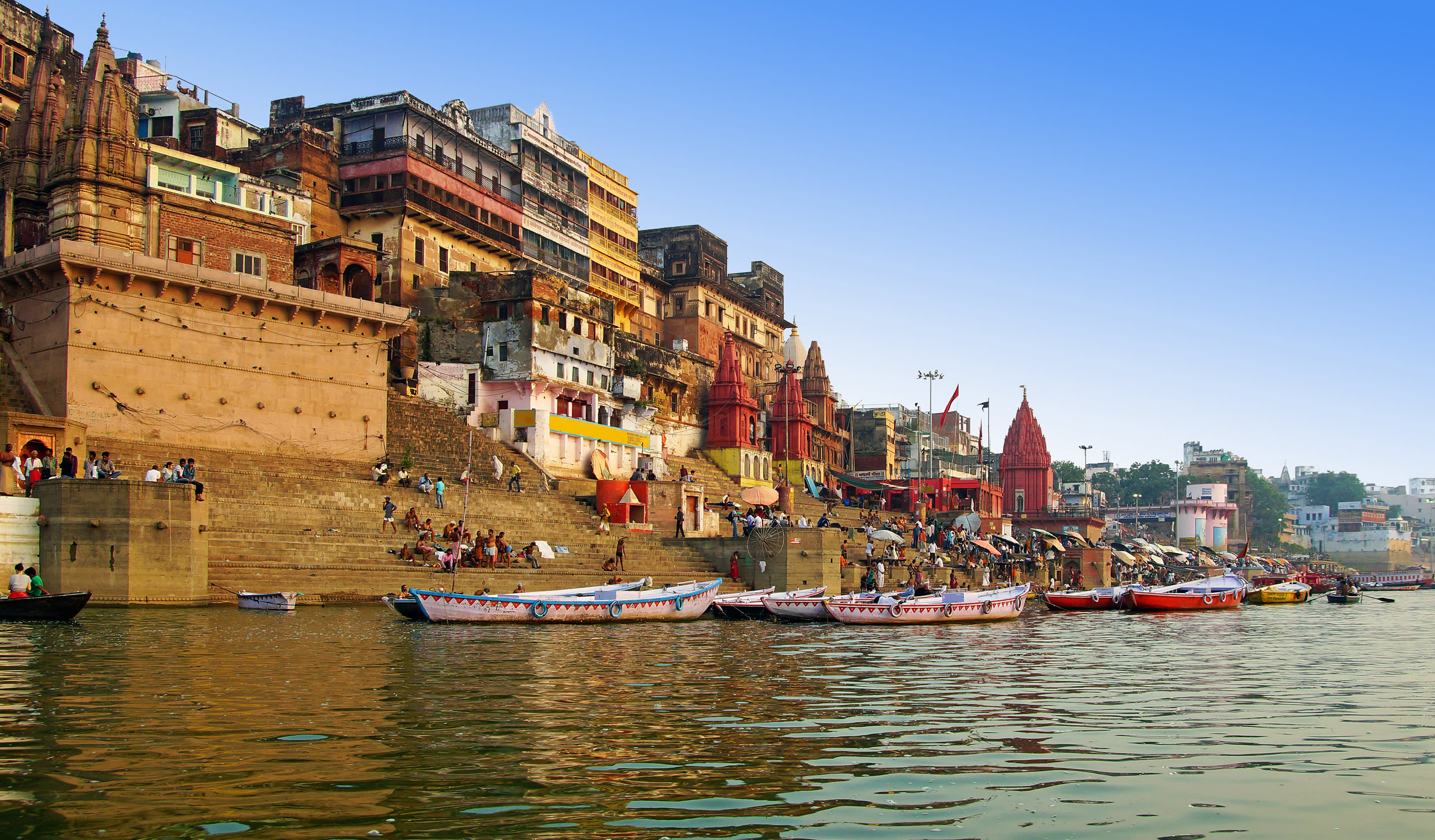
If the Golden Triangle introduces India’s history, Varanasi introduces its soul. Few places are as atmospheric as this ancient city on the banks of the Ganges. As one of the oldest continuously inhabited cities in the world, Varanasi has labyrinthine lanes that feel like a journey into living history.
Every day begins with pilgrims descending the ghats to bathe in the sacred river, and evenings glow with flickering lamps during the nightly aarti ceremony. The soundscape shifts constantly: temple bells, devotional chanting, and the rhythmic splash of oars on the water. Our expert guides often describe a sunrise boat ride on the Ganges as one of the most unforgettable moments in India, revealing the city in soft light as it slowly comes to life.
Tiger Safaris in Ranthambore

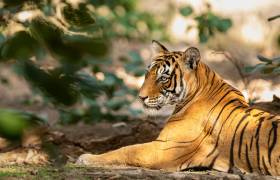
Southeast of Jaipur lies Ranthambore National Park. Once the hunting ground of Rajasthani royalty, it is now one of the most important tiger reserves in India, home to Bengal tigers that roam among lakes, ridges, and the dramatic ruins of Ranthambore Fort.
A game drive here is always memorable. You might hear langurs sounding alarm calls, see sambar deer grazing in the early light, or, with luck, glimpse a tiger slipping between the trees. Even without a sighting, the park delivers encounters with crocodiles, birdlife, and classic Rajasthani wilderness.
Expert naturalists help you interpret tracks and behaviours, making each drive richer and more insightful. Responsible tourism also plays a vital role in this region, supporting local guides, family-run lodges, and wider conservation efforts that protect Ranthambore’s wildlife.
Book the trip:
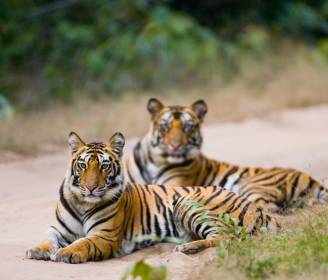
India Tiger Safari
A comprehensive wildlife tour of India's best tiger parks
Houseboats and Spice Trails in Kerala

On the tropical southwest coast, where the Arabian Sea meets coconut groves and slow winding waterways, Kerala offers an entirely different pace. Warm, lush, and unhurried, it is easy to see why this region is known as “God’s Own Country.” From historic Kochi (also known as Cochin) to the spice-scented hills and tranquil backwaters, Kerala gently nudges you into relaxation mode.
The Backwaters
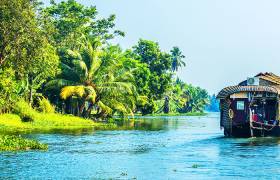
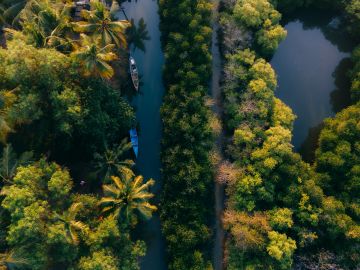
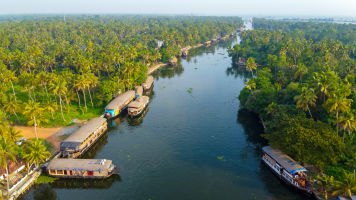
The famed backwaters of Kerala are an intricate network of canals, rivers, and lagoons stretching inland from the coast. Exploring them aboard a traditional houseboat is a highlight of any trip. You drift past rice paddies, chapels shaded by palms and small fishing villages where children wave as you pass. Egrets stalk the shallows, and the air carries the scent of spices and woodsmoke. Life here moves at the speed of the water, and it is wonderfully calming.
Spice Hills and Tea Estates
Travel inland and the landscape changes dramatically. The warm lowlands give way to cool hills carpeted with tea bushes, cardamom groves and pepper vines. In the Western Ghats, near places like Periyar, you discover the agricultural heart of the region. Local communities have cultivated spices here for generations, and guided walks through plantations reveal how these traditions still shape daily life.
Periyar Wildlife Sanctuary adds a touch of wilderness to the journey, with elephants, sambar deer, macaques and impressive birdlife thriving in the forests. Kerala is also rich in culture, from Kathakali dance and Ayurvedic heritage to a cuisine shaped by centuries of maritime trade. Expert-led trips emphasise local encounters, from meeting spice growers to staying in family-run guesthouses that reflect the warm hospitality of Kerala.
Book the trip:

Spice Trails of Kerala
Walking through the beautiful hills and tea plantations of South India
Darjeeling and the Himalayan Foothills
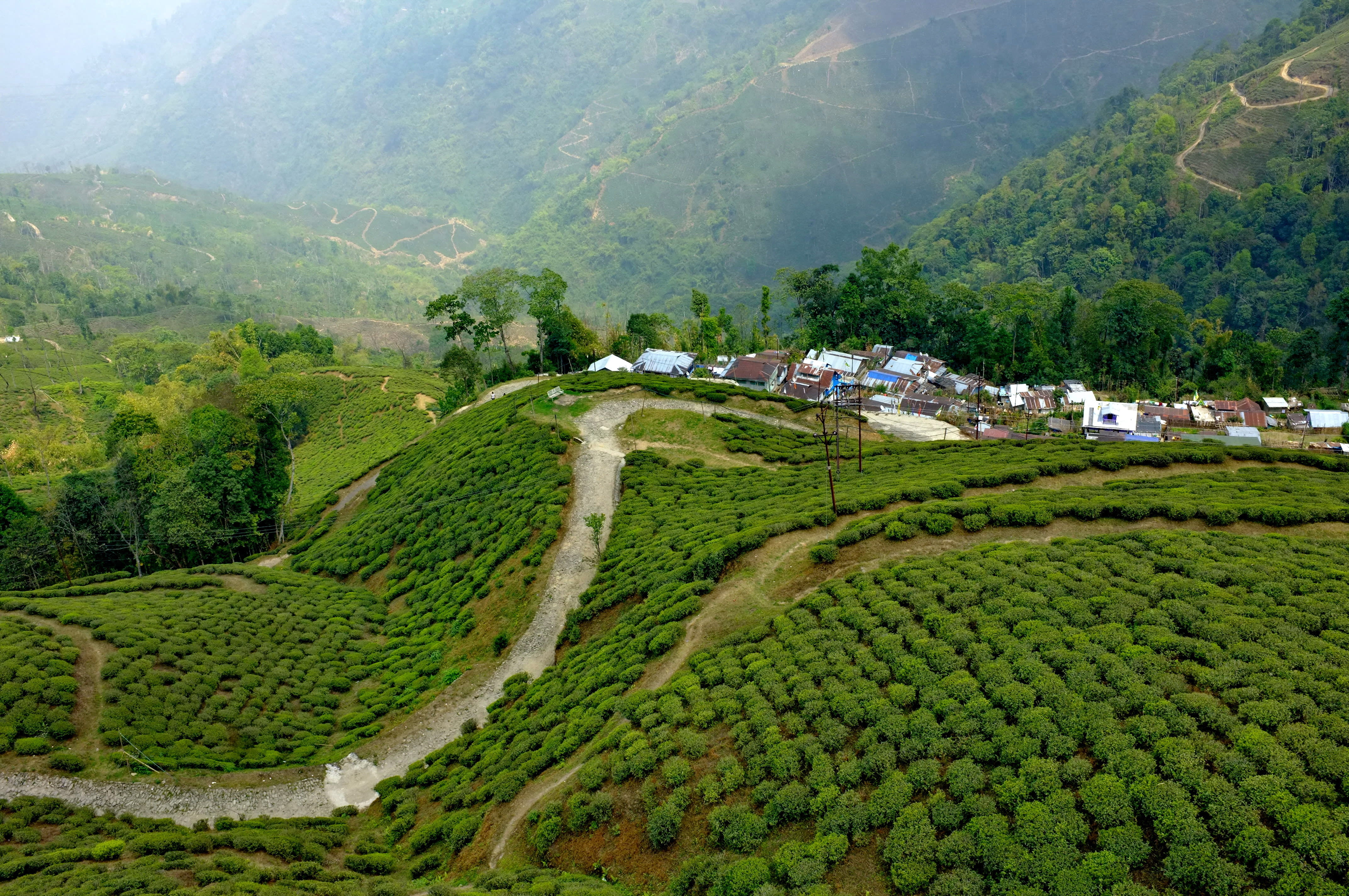
For many, the word ‘Himalaya’ brings to mind vast, snow-capped peaks. In the far northeast of India, Darjeeling and the Singalila Ridge offer a more accessible introduction to this famous range. Darjeeling sits high on a series of ridges above rolling tea gardens, with dawn views of Kanchenjunga, the third-highest mountain in the world, glowing on the horizon.
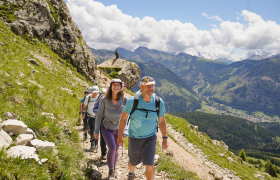
From here, the Singalila Ridge opens up some of the finest walking in the region. Trails wind through rhododendron forests and small hill villages, climbing to viewpoints where prayer flags flutter, and the Himalayan panorama stretches across India and Nepal. The altitude remains manageable, yet the sense of mountain wilderness is unmistakable.
Book the trip:
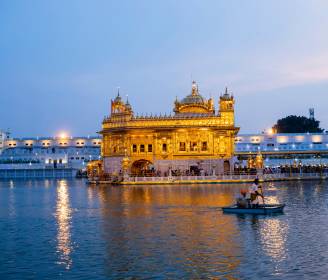
Foothills of the Himalaya
Discover northern India's religion and culture amongst energetic cities and emerald hill stations
India Travel Tips: Visas, Vaccinations & More
Planning your first (or next) journey to India is easier when you know what to expect. Here are the essentials.
Visas
Most travellers are eligible for an e-visa, which is usually straightforward to obtain online. Always check the latest requirements before you travel, apply a few weeks in advance, and keep a printed copy with your passport.
Vaccinations and Health
Speak with your doctor or a travel clinic before you go, as recommendations vary by traveller and by region. Vaccinations that are often advised for India can include hepatitis A, typhoid, tetanus, and diphtheria, with others such as hepatitis B, rabies, or Japanese encephalitis sometimes suggested for longer or rural trips.
Simple precautions help keep you well: use hand sanitiser regularly, drink only bottled or filtered water, and take a gradual approach to street food during your first few days. In many parts of India, mosquitoes are present, so bring insect repellent and wear long, loose clothing in the evenings.
When to go
Packing Tips
- Light, breathable clothing
- Modest options for temples
- Scarf or shawl for sun and etiquette
- Comfortable shoes for walking tours and forts
- Binoculars for wildlife parks
Travelling Responsibly
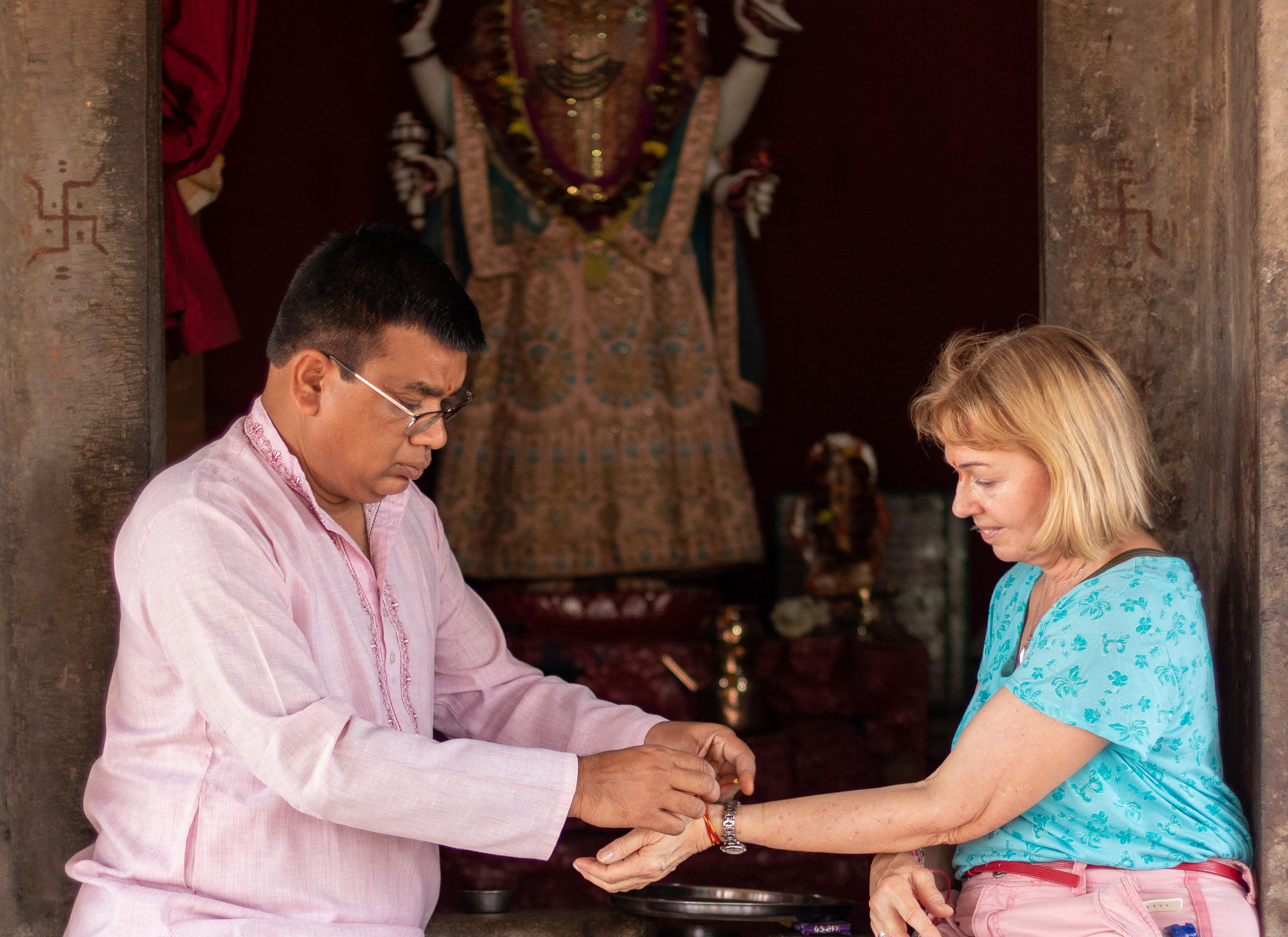
Choosing local guides, family-run hotels, and ethical wildlife operators supports communities and conservation – a core principle behind responsible travel in India.
FAQs: Everything You Need to Know
It can feel intense, but in the best possible way. Travelling with an expert guide smooths out the logistics and helps you focus on the experiences rather than the practicalities.
Ranthambore and other parks give you a genuinely good chance of spotting tigers in the wild, especially across multiple safaris.
Absolutely. Small-group trips offer safety, companionship, and a ready-made community.
Ten to fourteen days is ideal for a first visit. Returning travellers often focus on one region, whether it is the Himalaya, Kerala, or the wildlife parks.
Yes, with the right itinerary. Older children in particular love India’s wildlife, trains, bustling markets, and colourful festivals.
Respectful clothing is recommended in temples and rural areas. Loose, lightweight layers work best in the heat.
India is vivid, varied, and endlessly surprising. It blends ancient traditions with sweeping landscapes, world-famous wildlife with centuries-old culture, and towering mountains with tropical coastlines. Guided journeys help you navigate it all with confidence, drawing on deep local partnerships, expert leaders, and a commitment to responsible, community-minded travel.