7 ‘Travel Better’ Moments We Celebrated at Exodus in 2026

What do 3.4 million steps, 1,000 hectares of Italian wilderness and 200 Inca Trail porters have in common? Quite a lot, as it turns out.
Because behind every Exodus small-group adventure are people and places worth looking after. The porters carrying equipment along the Inca Trail. The communities sharing their traditions. The wildlife that makes us stop in our tracks (and occasionally reach for the binoculars).
Through our sustainability commitments and the Exodus Adventure Travels Foundation, we work to support those people and places. Established in 2019, our Foundation helps fund projects that protect nature and support communities in the destinations we visit. And because Exodus covers the administration costs, 100% of your donations go directly towards its projects.
Our sustainability efforts reached some significant milestones in 2026. Some were years in the making. Others opened up new ways for travellers to get involved.
Here are seven reasons this was a year worth remembering.
1. A new chapter in our B Corp journey

Not every ‘travel better’ milestone happens on the trail.
In 2026, we were delighted to achieve B Corp recertification, becoming one of the first 10 UK businesses to certify under B Corp’s new, more rigorous standards.
B Corp certification evaluates businesses against requirements covering social and environmental performance, accountability and transparency.
For Exodus, recertification reflects the work taking place across our business, from how we design our adventures and work with suppliers to our wider environmental and community commitments.
It’s an achievement worth marking, while recognising that we still have much more work to do.
2. Your next wildlife sighting could help scientists
There’s a good reason our local guides get excited about the smaller creatures, too.
In 2026, we became the first travel company globally to partner with iNaturalist, one of the world’s largest citizen science platforms. On selected Exodus adventures, travellers can photograph plants, animals and fungi using the iNaturalist app. These observations are added to a global biodiversity database used by scientists and conservationists.
We’re focusing particularly on destinations where biodiversity records are scarce. And there’s plenty of opportunity to contribute, whether you’re exploring the Italian Apennines, walking in Romania’s Carpathian Mountains or spotting wildlife in Botswana.
Our guides can help travellers use the app, turning an interesting sighting into information that may help researchers understand where species live and where conservation efforts are needed.
3. Our travellers helped raise over £100,000 for the Foundation
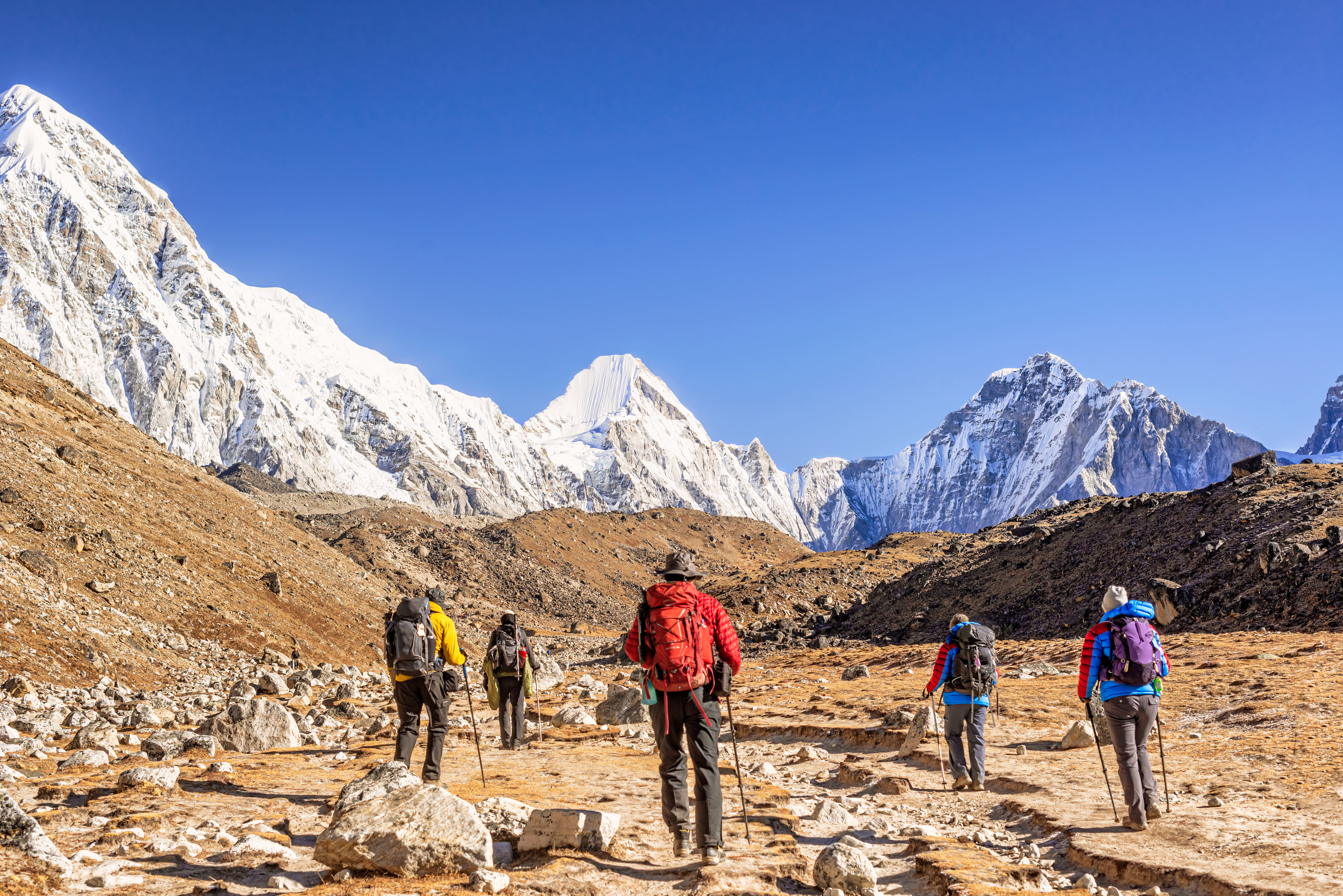
In 2026, Exodus travellers helped raise more than £100,000 for the Exodus Adventure Travels Foundation, supporting its work to protect nature and help communities in the places we visit.
That included £40,800 for our Nepal Disaster Response Appeal, following devastating flash flooding in the Rasuwa and Nuwakot districts on 26 August. Homes, roads and bridges were destroyed, leaving some villages difficult to reach. Nepal has been part of our adventure story for decades, and our customers were quick to respond.
Donations supported our disaster response partner, REACT, whose specialist teams were on the ground helping aid reach some of the hardest-hit communities, including those cut off by damaged roads.
A portion of the funds was also set aside for longer-term recovery, some of which has already funded bedding, tents, solar lights, cooking equipment and clean-water storage to support affected families and schools.
4. More adventures now come with a moment that gives back
On select adventures in Jordan, we visit the Iraq Al-Amir Women’s Co-operative, established by the Noor Al-Hussein Foundation to help local women become financially independent. Here, we meet the women behind the initiative and discover how they earn a living through traditional crafts, from handmade paper and woven fabrics to ceramics and food.
This is just one example of our Thriving Nature, Thriving People Moments, which now feature on 85% of our trips. These experiences connect travellers with local people, traditions and conservation initiatives, while supporting the communities behind them.
In Costa Rica, we team up with an expert for a behind-the-scenes tour of CATIE, a world-renowned institute for biological conservation. It’s a chance to discover the extraordinary diversity of plants studied here and gain a deeper understanding of Costa Rica’s natural world from someone working to protect it.
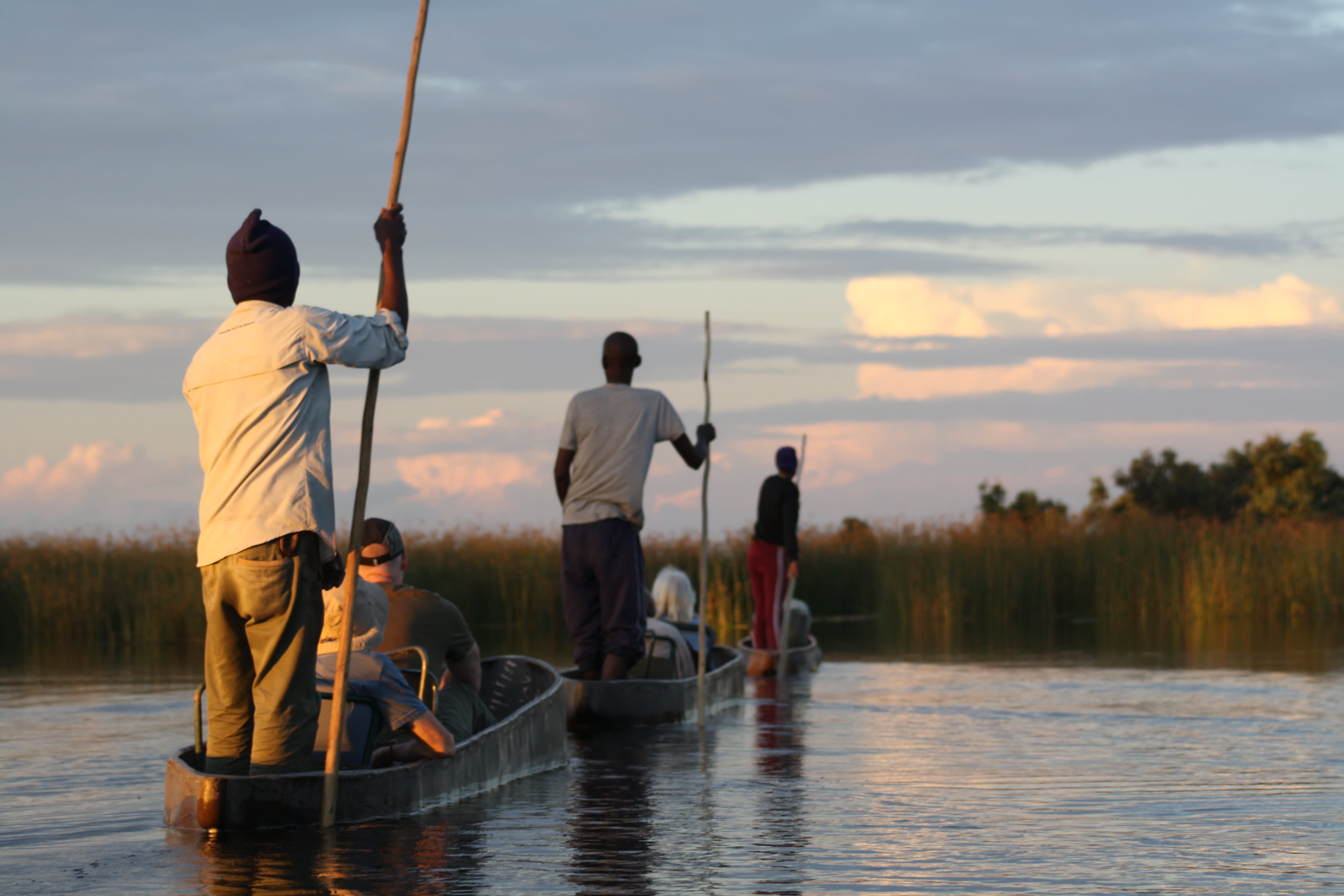
And in Botswana’s Okavango Delta, a mokoro excursion with the Polers’ Trust supports local livelihoods and conservation, while introducing travellers to the waterways with someone who knows them intimately.
5. We walked 3.4 million steps for endangered wildlife
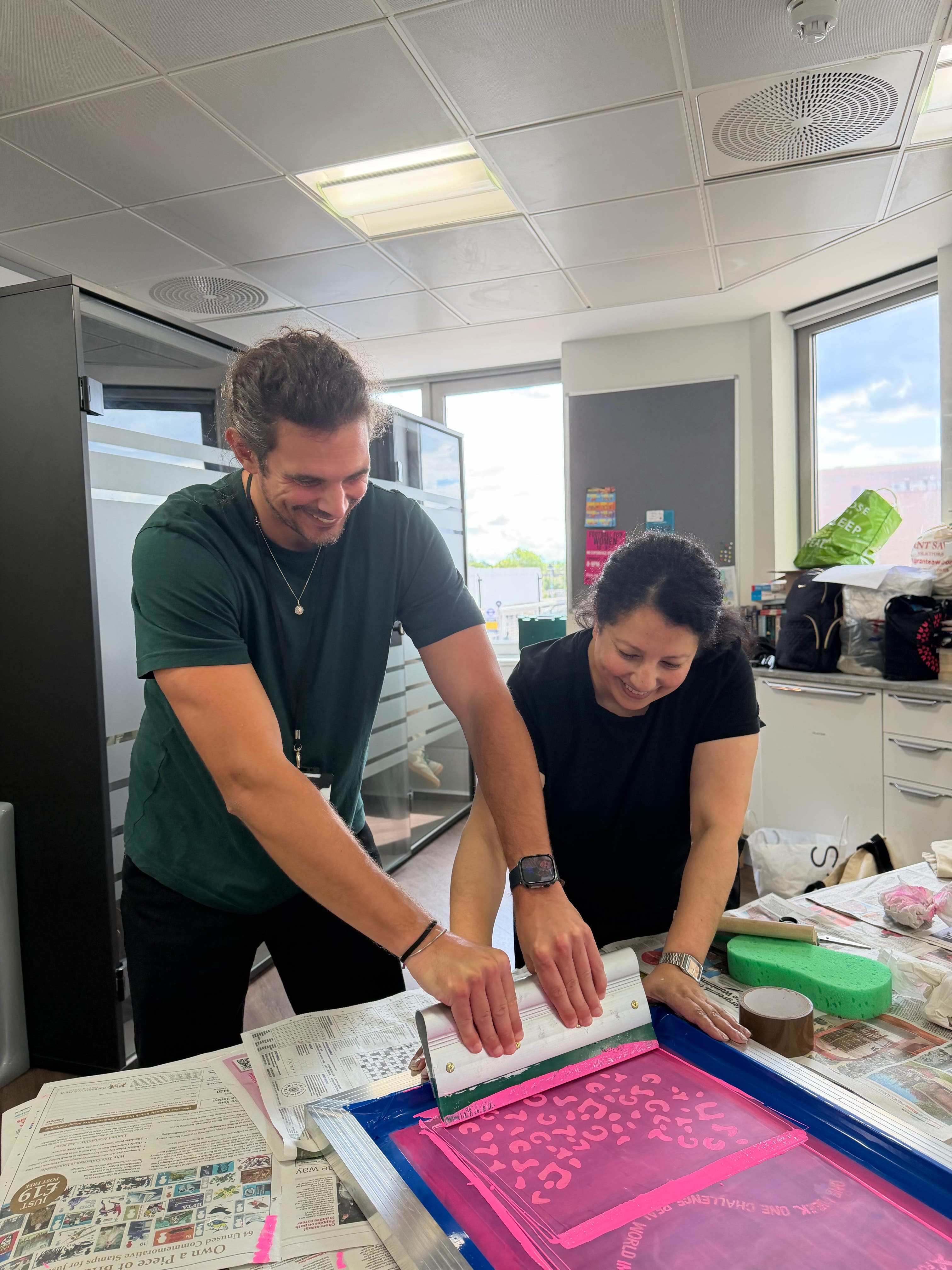
How far would you walk for a jaguar? For our Foundation’s first Movement Week, we set our global Exodus team a challenge: cover 20km in seven days, inspired by the distance a jaguar may travel in a day to search for food as its habitat becomes increasingly depleted.
From 2 to 8 July, colleagues swapped desks for walking routes, clocking up more than 3.4 million steps between them. That included a huge effort from seven Exodus employees who were sponsored to hike the Welsh 3,000s, one of the toughest mountain treks in the UK. Their incredible feat, summiting 15 peaks in under 24 hours, raised £2,200.
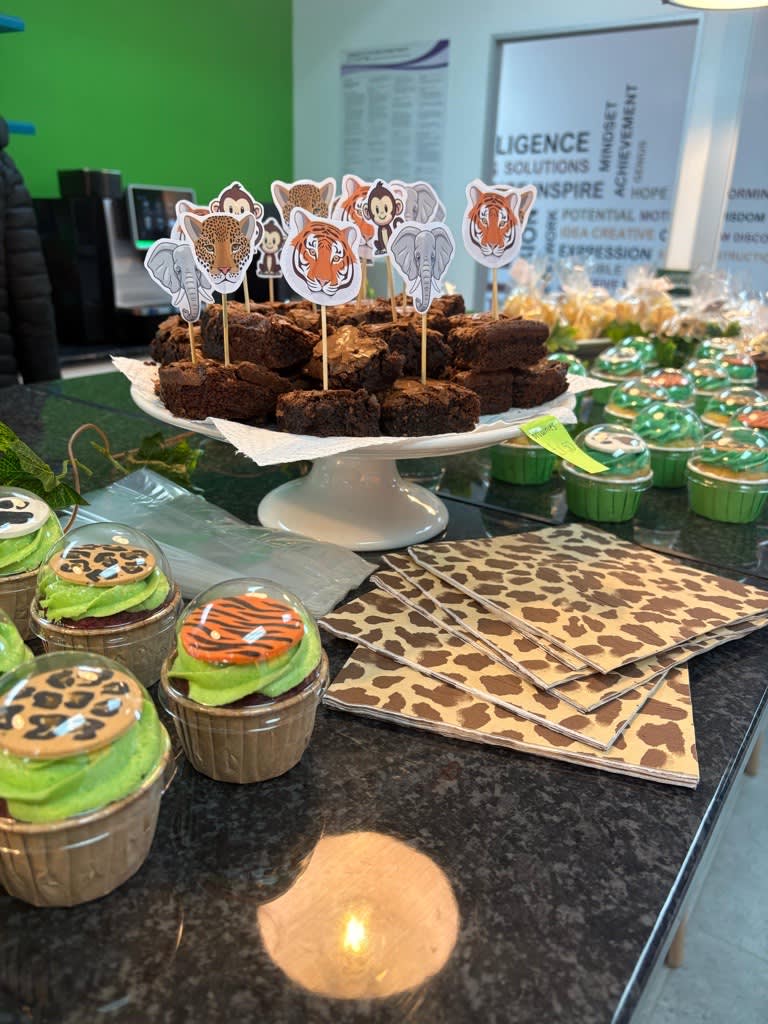
To generate extra donations, we also held wildlife-themed bake sales and raffles in our London and Cape Town offices.
By the end of the week, the team had raised more than £2,500 for the Exodus Adventure Travels Foundation’s work protecting endangered species.
Not bad for a week’s walking. And a good reminder of just how far we can go when we all get moving.
6. Five years, 1,000 hectares and a future for Italy’s wild side

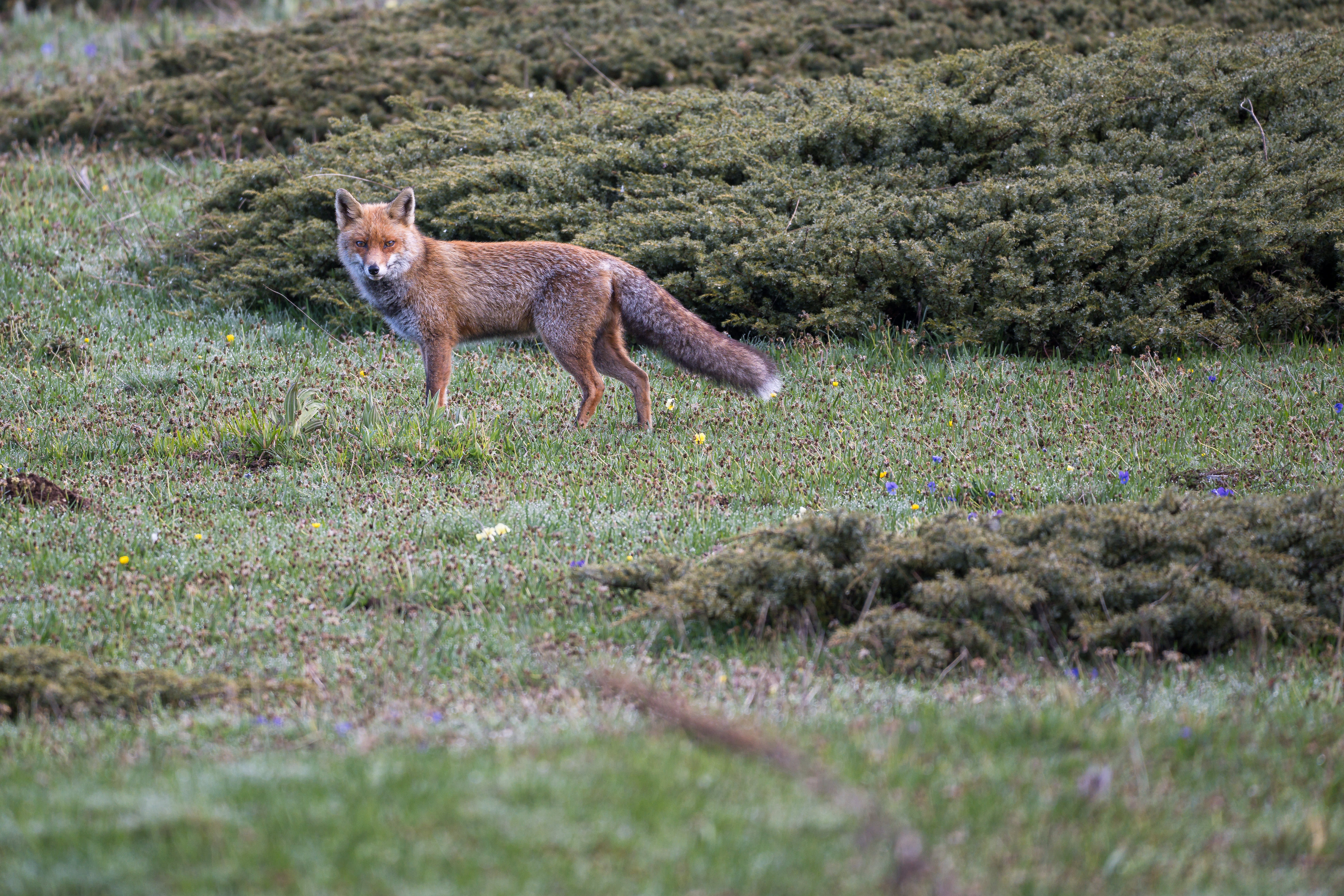
High in the Italian Apennines, the critically endangered Marsican brown bear shares its mountain home with wolves and other wildlife. It’s a landscape where conservation depends not only on protecting habitat, but also on helping animals and people coexist.
For five years, we’ve supported that work through our partnership with Rewilding Europe and Rewilding Apennines.
In 2026, we reached a significant milestone: more than 1,000 hectares rewilded through our commitment to rewild 100 square metres for every Exodus passenger. The work helps create conditions for wildlife to recover and move more freely across the landscape, while supporting coexistence with local communities.
And if you’d like to see the region for yourself, our Italian Apennines: Walks & Wildlife adventure explores this lesser-known corner of Italy with our local experts, with all profits from the trip donated to support Rewilding Apennines’ vital work.
7. The people who carry you to Machu Picchu finally get their turn
Here’s something many Inca Trail trekkers might not realise.
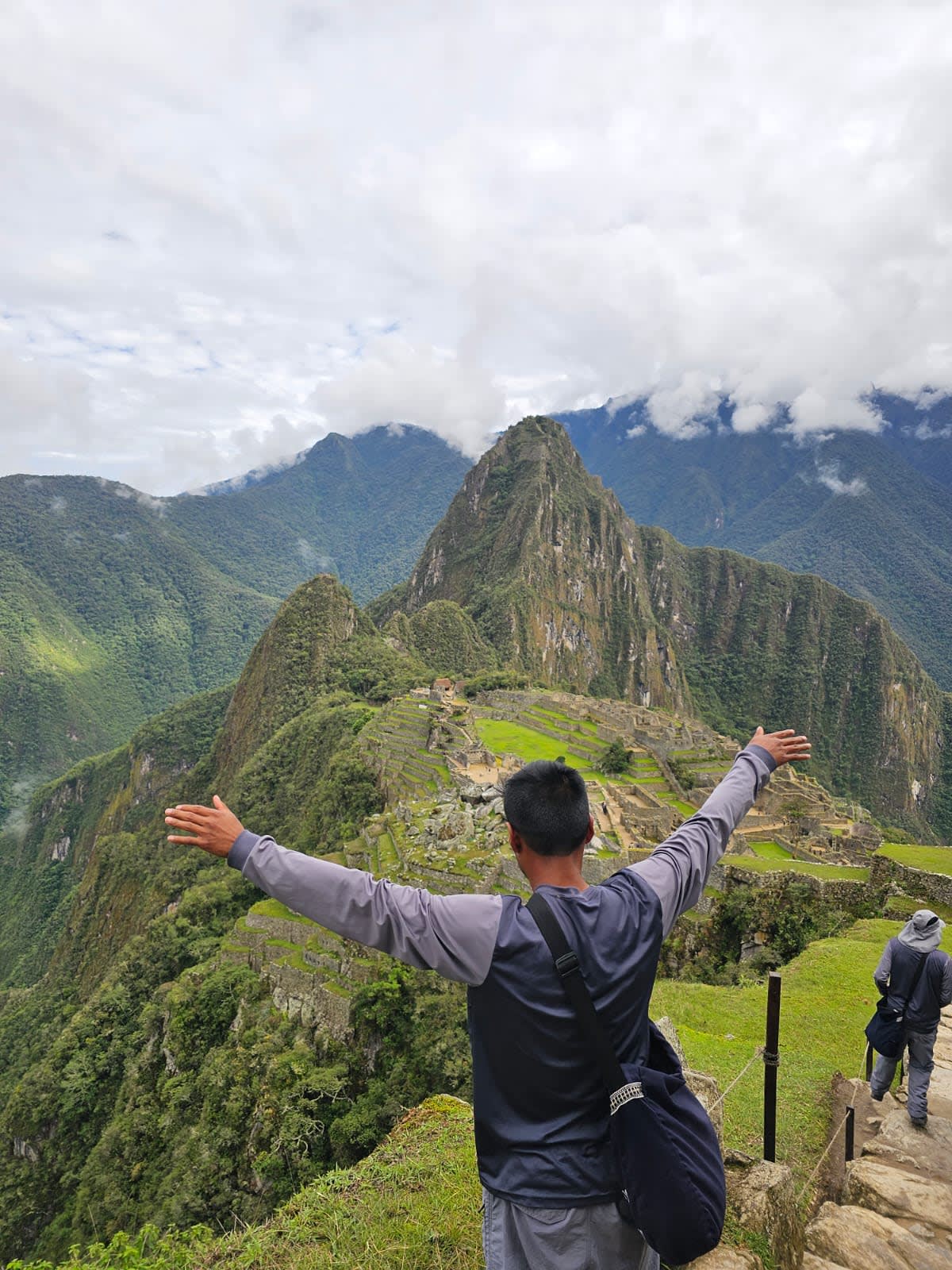
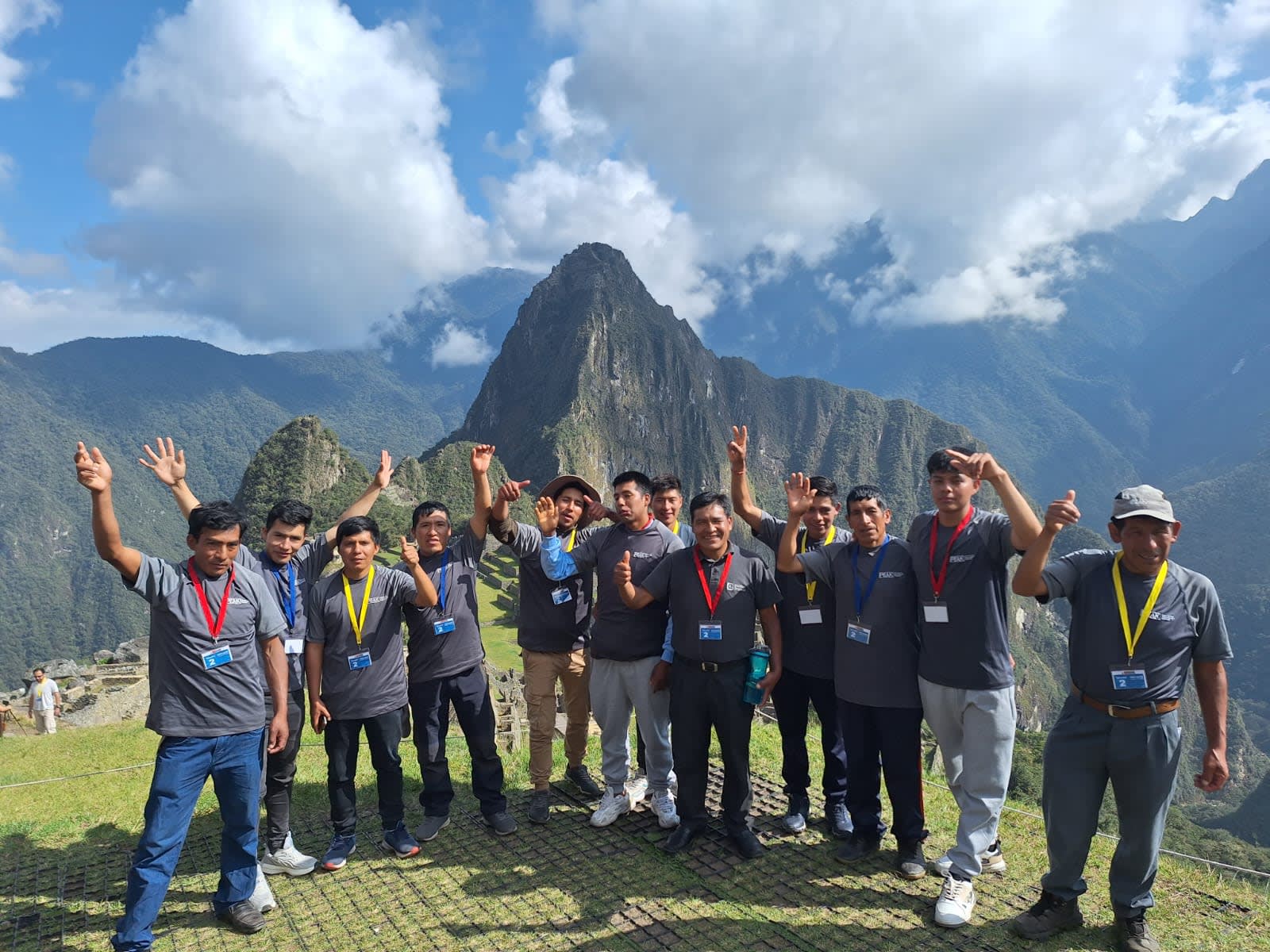
While travellers continue towards Machu Picchu, the porters who carried their tents, food and equipment usually descend towards Aguas Calientes. Despite making the journey possible for thousands of visitors, many have never had the opportunity to explore the ancient citadel themselves.
We wanted to give something back to the people who make these adventures possible.
Since 2017, our Inca Trail Porter Project has given Exodus porters the opportunity to visit Machu Picchu, accompanied by a Quechua-speaking guide who can explain the site’s history and cultural significance in their own language.
In 2026, we reached our 200th porter visit! These are the people who tackle the demanding four-day trail, carrying loads of up to 44lb (20kg) at altitudes exceeding 13,125ft (4,000m). Giving them the chance to experience a place so closely connected to their heritage feels like an important way to recognise their contribution.
Looking ahead: More to explore, more to protect
Our State of Adventure Travel Report 2026/27 suggests travellers are increasingly interested in discovering places beyond the familiar.
In the UK, 79% of those surveyed would consider visiting a lesser-known destination or region, while 84% would consider travelling outside the busiest season.
It’s an encouraging direction. Exploring lesser-known regions and choosing quieter times of year can offer different experiences of a destination, while helping spread the economic benefits of tourism to communities that might otherwise miss out.
For us, that’s part of the work ahead. Continuing to create adventures that bring travellers closer to the people and places they visit, while looking for practical ways to support them.
And for our successes in 2026, there’s plenty to thank our travellers, local partners, guides and Foundation supporters for.
Here’s to seeing what we can achieve together in 2027.