




Vietnam
Vietnam Adventure
20% OFF
Asia
Cycling Vietnam
20% OFF
Yes, the highlights of Vietnam are still a wonder for first-time visitors: the rush of Ho Chi Minh City, the towering limestone karsts of Ha Long Bay, the rich history of Hanoi.
But there are so many more incredible places to visit in Vietnam beyond the classic backpacker trail. If you’re planning on exploring the country, consider putting these destinations on your itinerary.
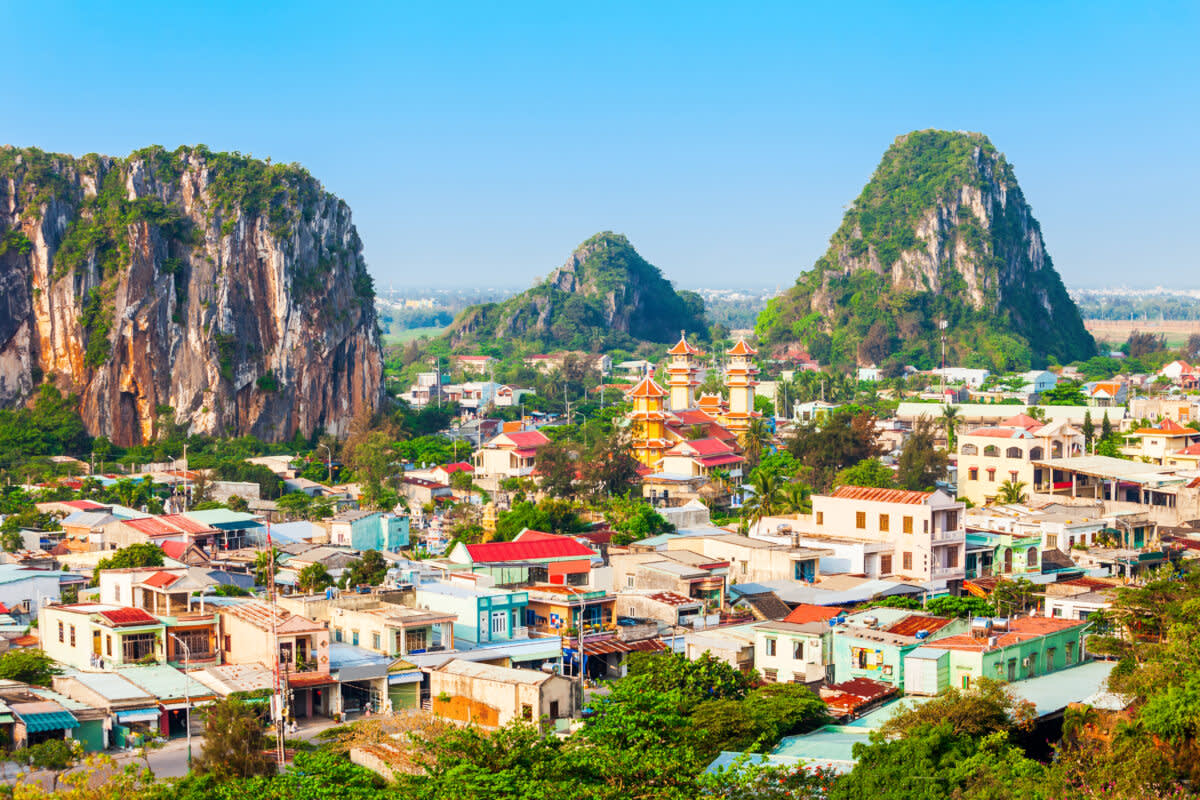
South of Da Nang city, this cluster of five mountains was sacred to the ancient Cham people and is now home to pagodas and Buddhist temples – making the area an important site for both pilgrims and visitors.
Each is named after one of the five elements – Thuy (Water), Moc (Wood), Hoa (Fire), Kim (Metal) and Tho (Earth) – while their caves provided shelter and a hospital base for the Viet Cong during the Vietnam War.
Today, quaint villages have sprung up around the base of the mountains, housing artisans specialising in marble sculpture.
Visit on:
Join an expert tour leader to explore Hanoi, Ho Chi Minh City and the best of everything in between
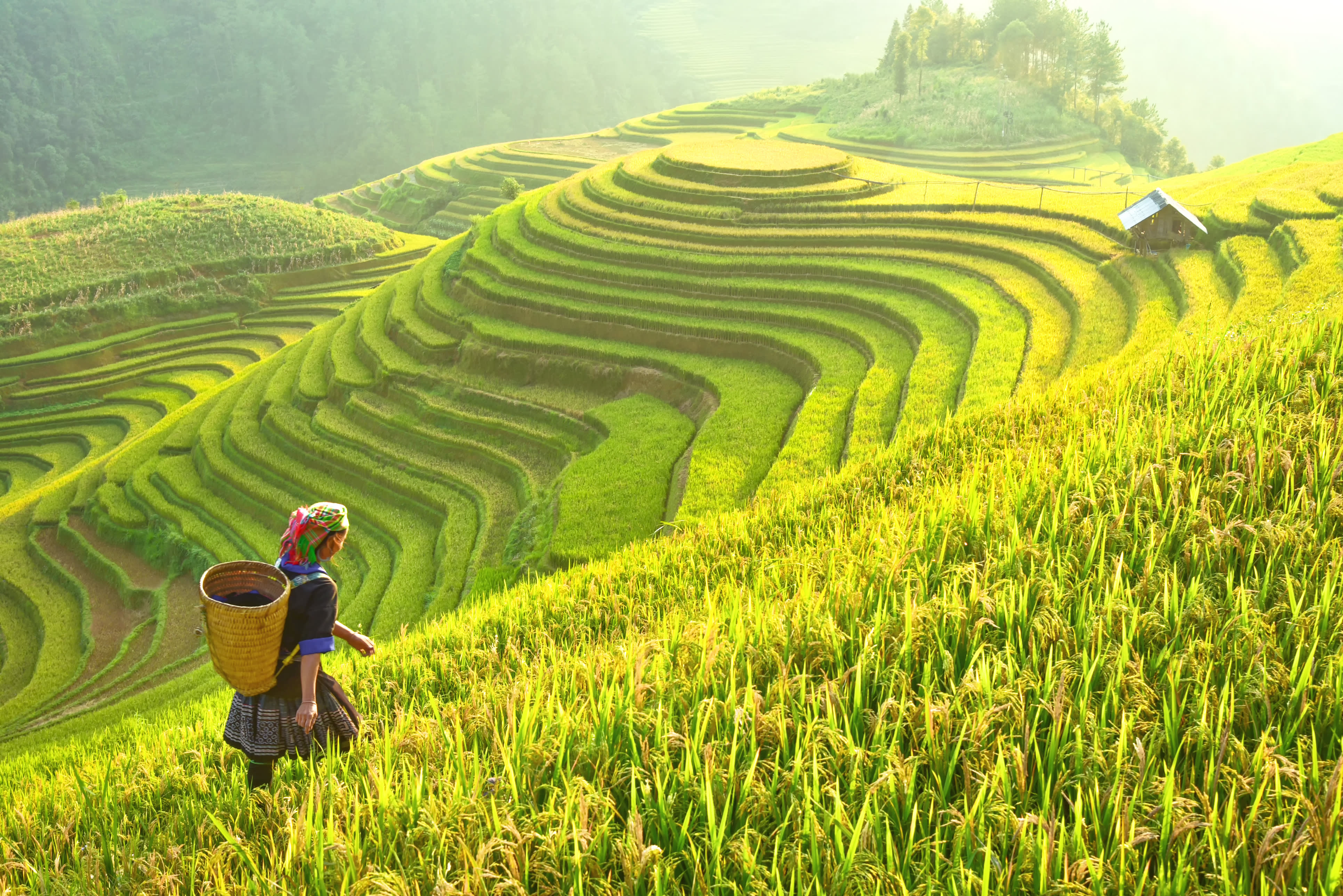
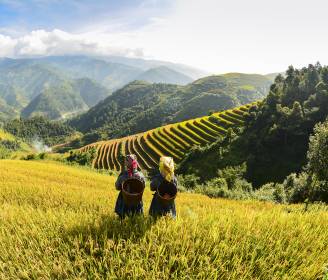
Classic Vietnamese beauty reigns in the Mu Cang Chai region of northwest Vietnam. Here, gold and emerald rice terraces act as strata on the slopes, providing a picturesque landscape loved by travel magazines. Better yet, it’s so far avoided the tourist masses seen in similarly idyllic places.
To discover its full beauty, head to La Pan Tan village, primarily home to the Indigenous Black Hmong community. Their cultivation of the surrounding hills has created some of the standout terraces in the region, while the chance to learn more about their traditions and practices makes it a great stop-off on a cultural holiday in Vietnam.
Visit on:

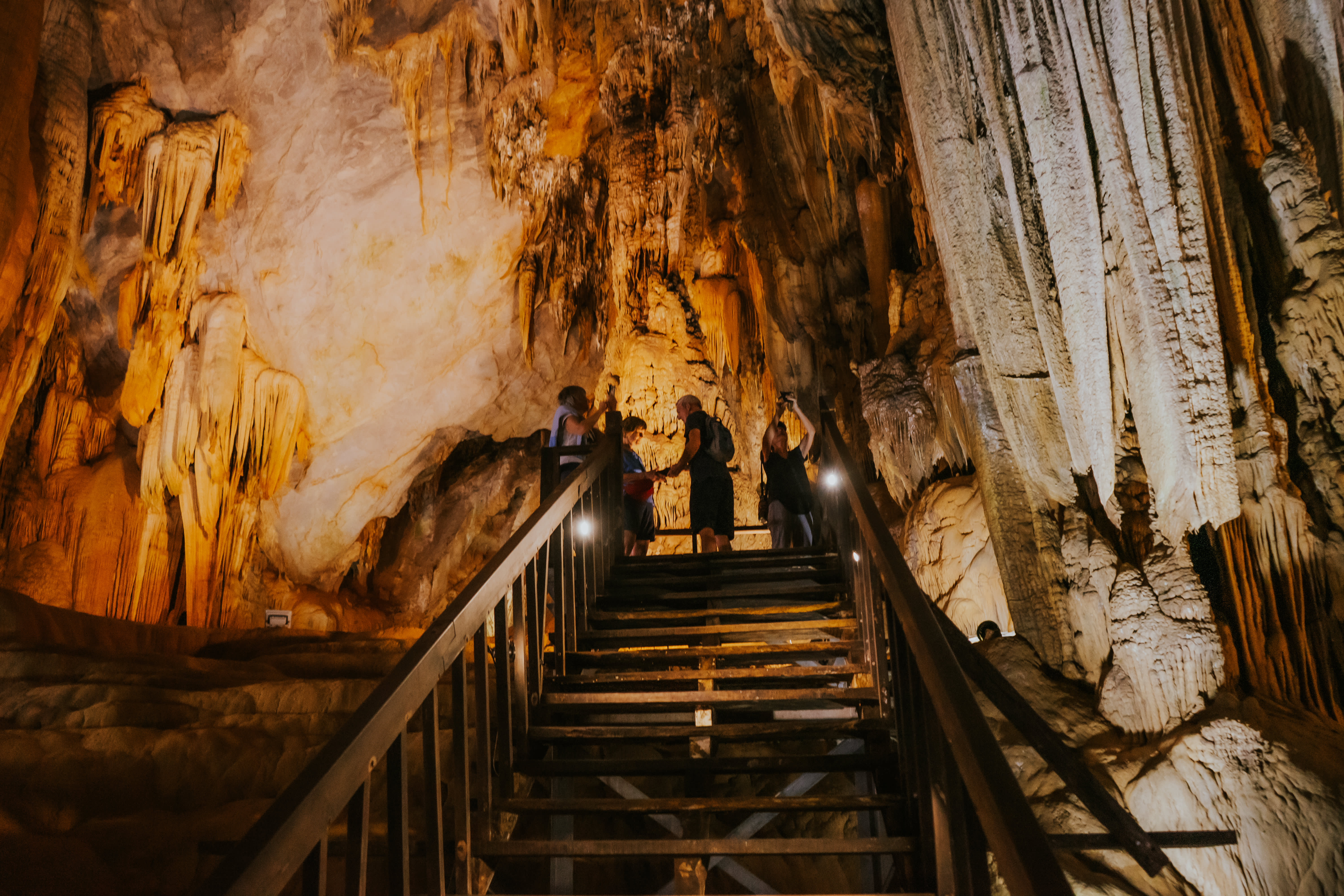
A World Heritage site since 2003, Phong Nha-Ke Bang is a natural wonder, home to some of the oldest karst mountains in Asia, a vast network of cave systems, and underground rivers – a must-visit for those interested in Vietnam adventure holidays.
The star attraction here is Thien Duong Cave, also known as Paradise Cave, a 19mi (31km) cavern of astounding stalactites and stalagmites. Surprisingly, its truly astonishing interior was only revealed to the wider world in 2005, when a team from the British Cave Research Association explored it after a tip-off from a local farmer who had told them he heard the mountains ‘whistling’.
Visit on:
From Sapa to Ho Chi Minh City; uncover the treasures of Vietnam

It’s called the Rice Bowl of Vietnam for a reason, producing more than half of Vietnam’s rice and 90% of its total rice exports. Here, communities adapted to their watery world with floating markets, transportation by boat, and a noticeably slower pace to life.
If you go, make sure to cruise down the waterways, visit the orchards, and support local entrepreneurs running cottage industries – coconut candy is a treat worth seeking out. Embrace the calm and stay for a day or two, preferably in a homestay or guesthouse so you can experience Delta hospitality and learn about local life through your host.
Visit on:

Travel from Vietnam's Saigon to Thailand's Bangkok
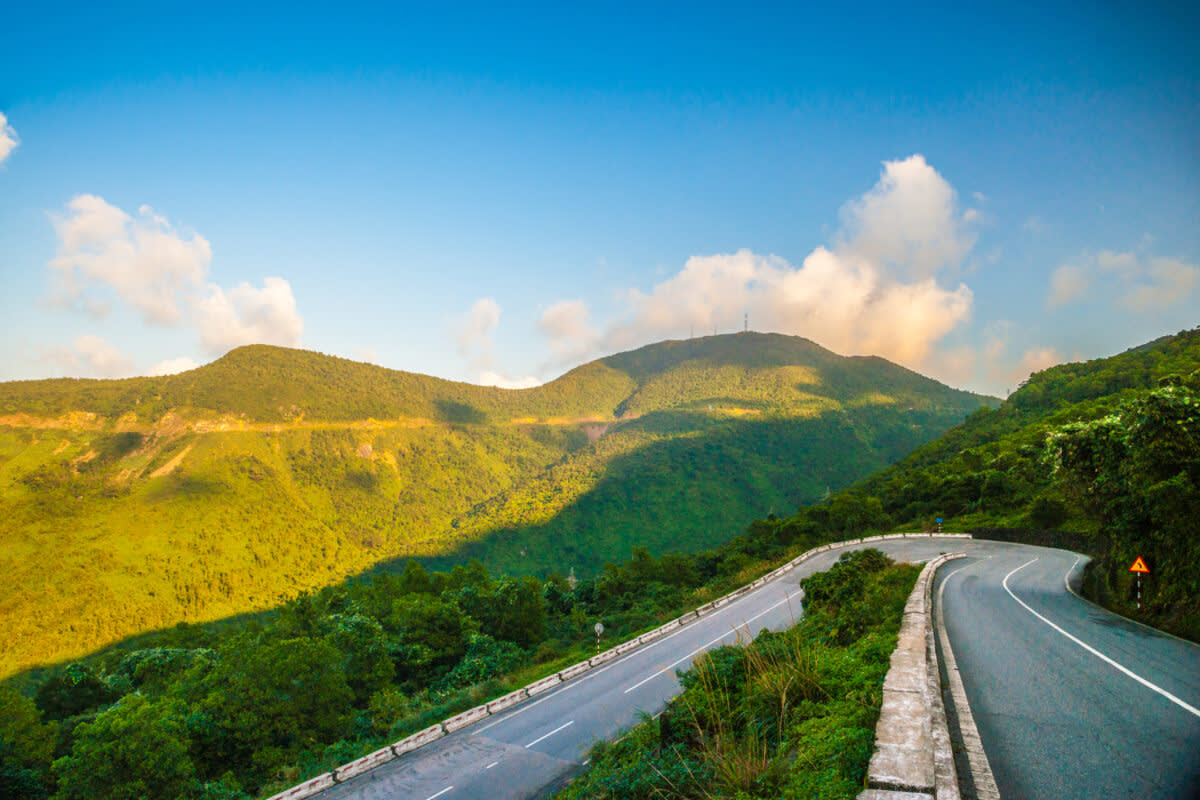
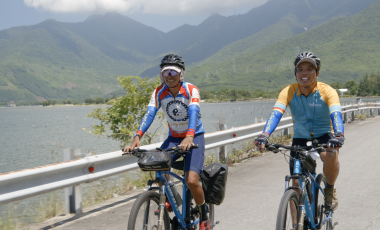
Winding 13mi (21km) over a mountainous stretch of highway, just north of Da Nang, the Hai Van Pass is one of Vietnam’s most scenic coastal roads.
With exhilarating twists over a spur of the verdant Truong Son Mountain range, it’s a highlight for those considering cycling holidays in Vietnam.
Historically, it was a crucial land route connecting the cities of Hue and Da Nang. At the top, you’ll find Emperor Minh Mang’s ornate brick gate, built in the 19th century, which was later used as a strategic checkpoint by American forces during the Vietnam War.
Visit on:

Ride from Ho Chi Minh City to Hanoi, witnessing Vietnam’s beauty unfold
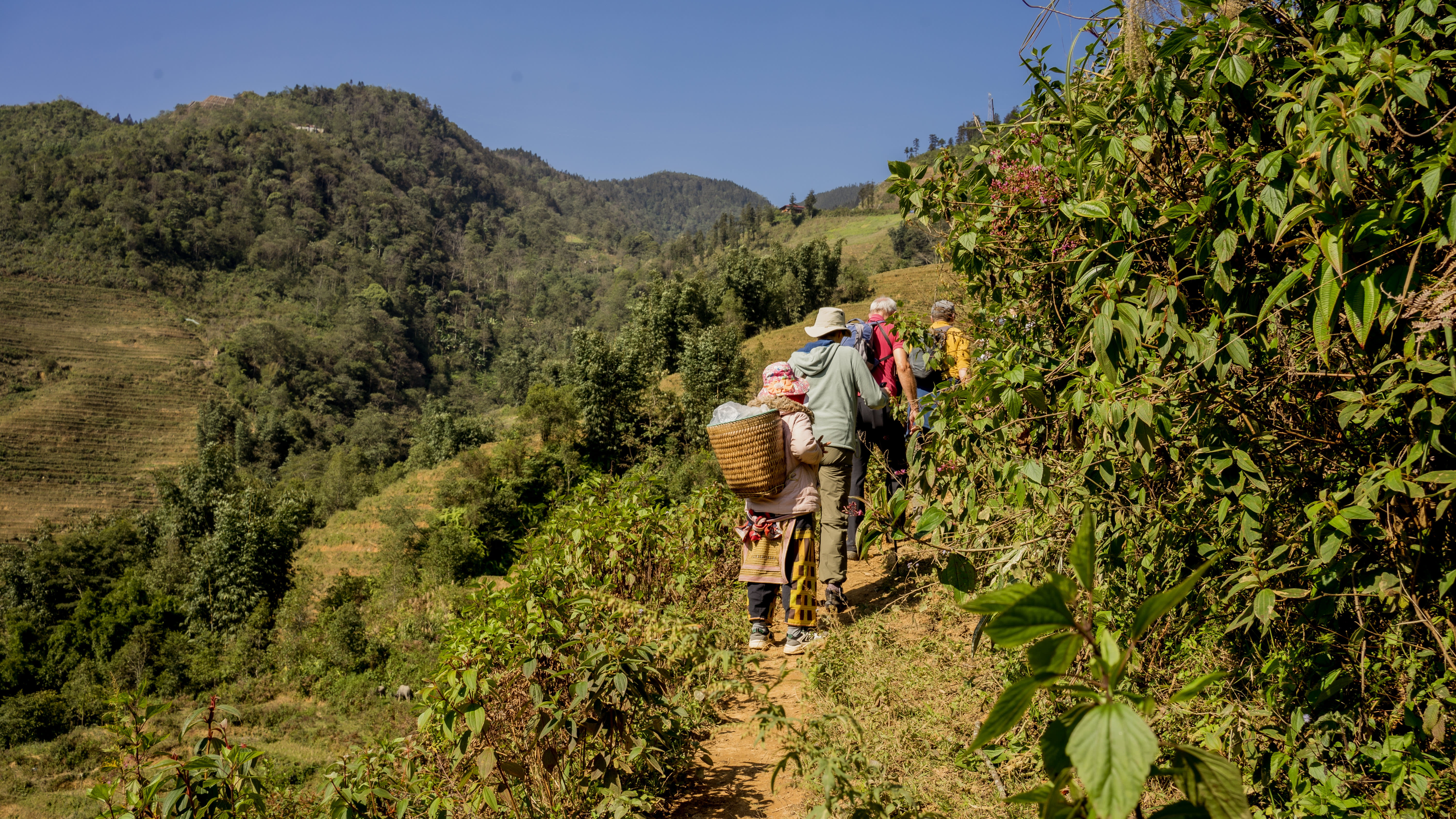
North of Hanoi, the town of Sapa sits within the Hoàng Liên Son Mountains, offering an intriguing combination of scenic beauty and deep cultural immersion. Here, the rice terraces stepping down the slopes are still tended as they have been for generations, offering a glimpse into traditional agricultural life.
The surrounding villages are still populated by Indigenous communities, including Black Hmong and Red Dao people. A hike can take you to the idyllic hillside village of Ta Phin, home to both those communities – make sure to take a dip in an aromatic Red Dao herbal bath.
Visit on:
From Sapa to Ho Chi Minh City; uncover the treasures of Vietnam

Find paradise at Whale Island, an away-from-it-all escape where paved roads are replaced with sandy footpaths. Visiting is all about embracing the island flow – slow days on the beach, gentle hikes, and coastal cuisine.
If you want to stay, and you probably will, the only resort on the island is Whale Island Resort, where 31 bungalows are designed in the traditional Cham style, and built with natural materials to blend into the island.
Visit on:
Ride from Ho Chi Minh City to Hanoi, witnessing Vietnam’s beauty unfold

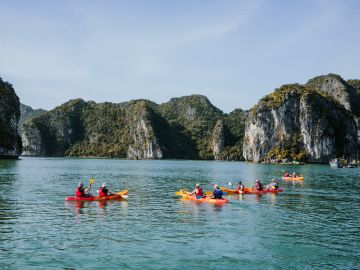
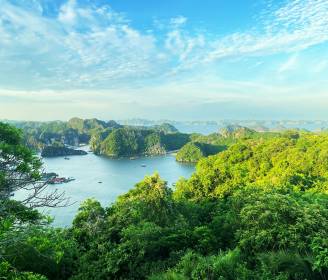
If you’ve already visited Ha Long Bay, Lan Ha Bay offers similar beauty… but without being Vietnam’s number one attraction. The arc of the bay is home to 400-or-so islands and islets – fewer than the near 2,000 of Ha Long but that’s a small price to pay for sharing it with far fewer tourists.
Just like at Ha Long, you’ll probably want to spend the night on the waters, cruising among the vegetation-covered peaks on a traditional boat. We also offer the chance to jump into kayaks for a close-up view of the emerald waters and time to explore the caves.
Visit on:
From Hanoi to Ho Chi Minh City: Discover the natural and cultural treasures of Vietnam
